
Ethics
Ethics is integral to all decisions, designs, and services performed by civil engineers.
Not only the public trust but also their lives, safety, and welfare depend on professional engineers' efficient, safe, and economical performance of their duties. ASCE's ethics programs, policies, and resources are designed to assist its members in understanding their ethical obligations and incorporating them into the day-to-day conduct of their professional and business-related affairs.

Explore ethical dilemmas in "A Question of Ethics"
Stay informed and inspired with "A Question of Ethics." Featured in Civil Engineering Magazine, each article explores hypothetical and real ethical cases, offering insights into the ethical challenges and guiding principles for engineers.
The American Society of Civil Engineers (ASCE) Code of Ethics is the model for professional conduct for ASCE members.
Information about ASCE's ethics enforcement process and a form for reporting ethical concerns about an ASCE member
An examination of the ethical cases considered by the ASCE Committee on Professional Conduct, as well as ethical issues affecting the profession.
The Order of the Engineer was initiated in the United States to foster a spirit of pride and responsibility in the engineering profession.
Signing the Engineer's Charter shows your commitment to demonstrating zero tolerance for bribery, fraud, and corruption in engineering and construction.
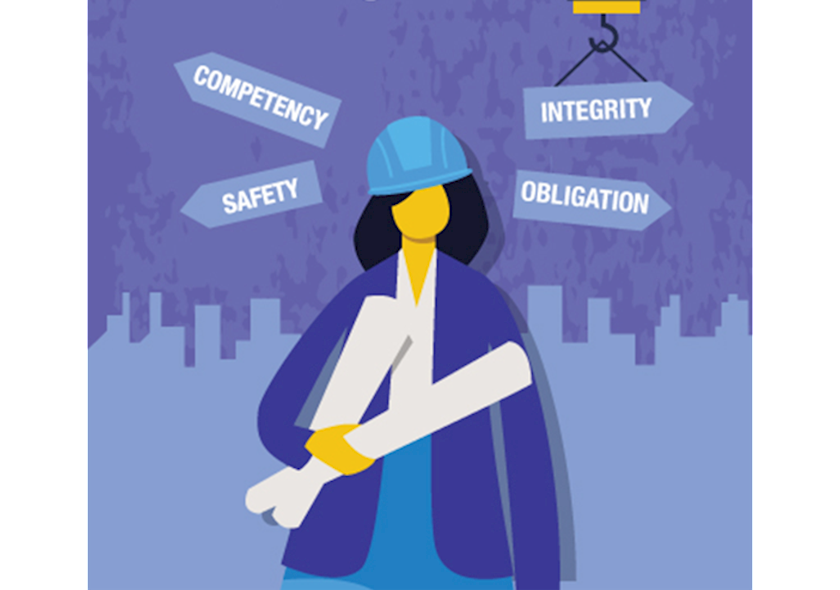
Guidance on Licensing and Ethical Responsibilities for Civil Engineers
Last month Sara was reported to her state engineers’ board for a possible ethics violation. Tomorrow morning, she would meet with the board. Although she felt she had done nothing unethical, Sara’s eyes had been opened to the complexity and gravity of ethical dilemmas in engineering practice. She wished she had sought and/or received better guidance on ethical issues earlier in her career.
In this publication we explore what it means to be an ethical engineer as applied to one fictional engineer's experiences.
Ethics case studies
Given the vital importance of engineering works to society, it is essential for engineers to understand their responsibility to protect the public health, safety, and welfare even in circumstances when doing so may come at a great personal cost. This video series features interviews with engineers and other professionals regarding their experiences with some of the most significant engineering ethics cases of modern times.
Ethics resources
- Guidance on Licensing and Ethical Responsibilities for Civil Engineers (PDF)
- Training resources for combating corruption in construction and engineering (Ethicana)
- ASCE Library Ethics Collection
- Ethics training (On-demand webinars)
- Recognition for professional ethics and leadership (Professional Practice Ethics and Leadership Award)
- Daniel W. Mead Prizes for papers on ethics by students and younger members
- Ethics for geotechnical engineering (Video)




Join ASCE for the professional support and growth that you won't find anywhere else
ASCE gives you the best professional and technical resources.