Brian Brenner, P.E., F.ASCE, is a professor of the practice at Tufts University and a principal engineer with Tighe & Bond in Westwood, Massachusetts. His collections of essays, Don’t Throw This Away!, Bridginess, and Too Much Information, published by ASCE Press, are available in the ASCE Library.
In his Civil Engineering Source series, More Water Under the Bridge, Brenner shares some thoughts each month about life as a civil engineer, considering bridge engineering from a unique, often comical point of view.
Geoplast is a firm that focuses on sustainability and construction innovation. They have experience in sustainable products that increase production efficiency, “green” applications that reduce net carbon emissions, and overall construction workplace improvements.
They also have experience in civil engineering humor. Their online blog featured a May 2023 entry titled “The Best Civil Engineering Jokes in the Industry.” In the introduction, the blog author writes:
“We handpicked a few civil engineering in-jokes we found online. Use them if you need to break the ice in conversations about sustainable profitability. Or not… Hold your seats!”
In this month’s edition of More Water Under the Bridge, the jokes are presented with additional discussion and commentary. The intention is to assist readers in appreciation and develop a more fulfilling understanding of the humor.
Joke #1
A uniform beam walks into a bar.
The barman asks: “What would you like, sir?”
The beam replies: ‘Ummm … just give me a moment.”
Discussion and commentary
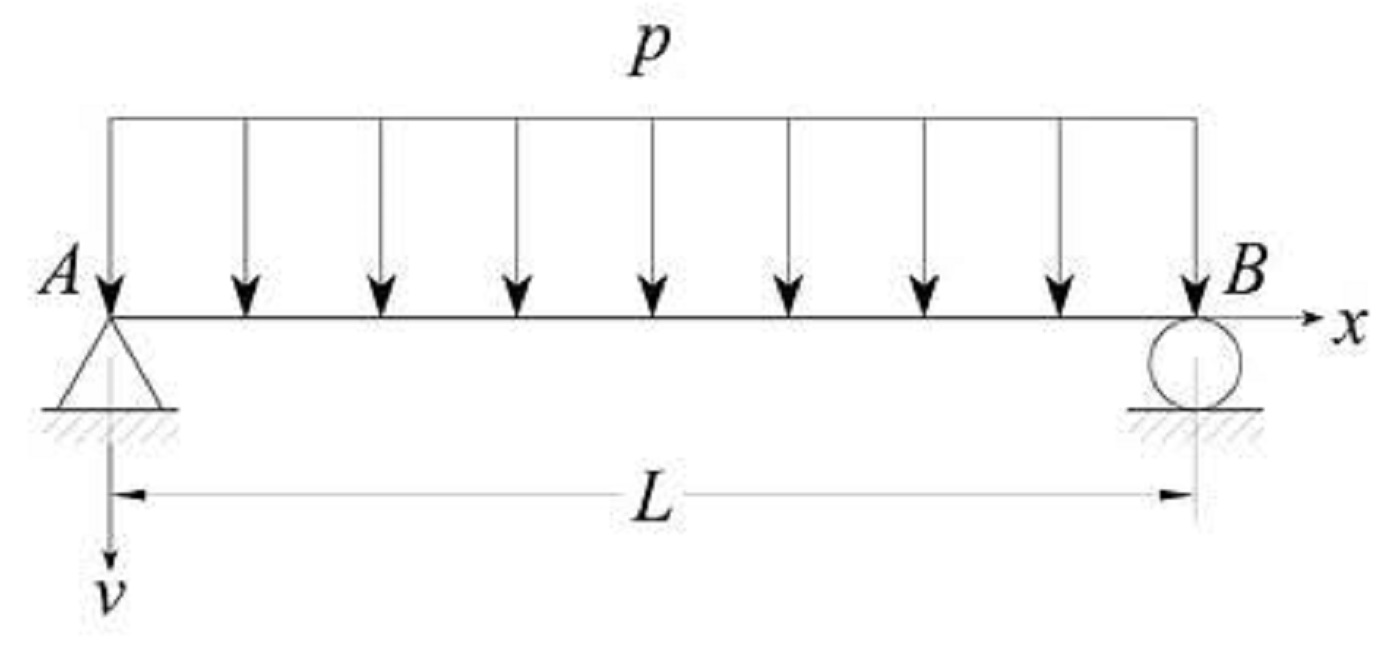
This joke relies on a play of words and a suspension of disbelief. The reader must conceptualize that a beam can be alive, walk, and seek an alcoholic beverage. The beam is identified as a “uniform” beam. What is implied is that the beam experiences uniform loading. This loading leads to the application of a bending moment. However, it is not clear that the beam is a “simple span uniform beam,” a “cantilever uniform beam,” or a beam experiencing some other type of support condition. However, the type of support is not really relevant, once the reader understands that the beam is under loading with some assumed boundary conditions. With these understandings, the punchline of the joke is humorous, and readers may chuckle.
In presenting this joke, should you wish to provide a follow-up comment, you may ask your audience:
“What is your reaction to this story?”
Your audience may then consider calculating reactions to the beam under uniform loading and then experience a follow-up chuckle.
Joke #2
Coarse Aggregate says: “Hey Sand, how are you?”
Sand replies: “I’m fine.”
Discussion and commentary
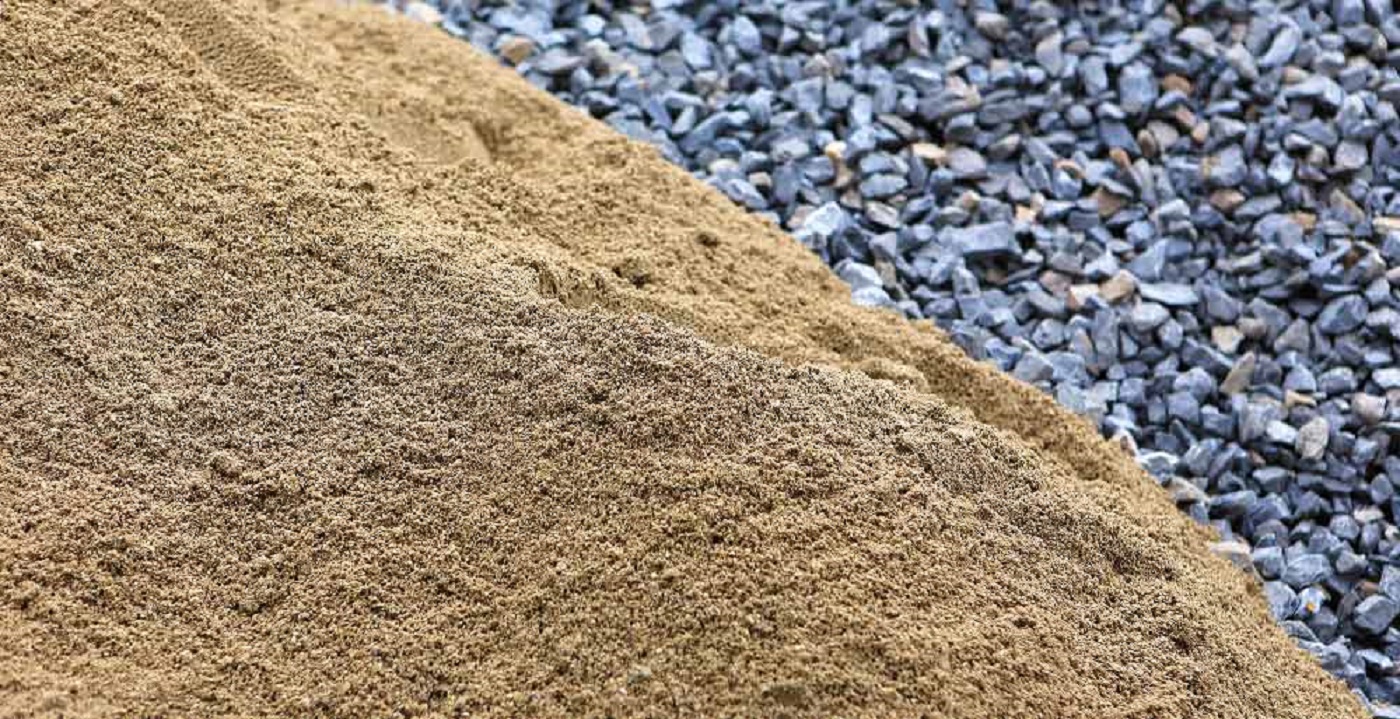
Like Joke #1, this story relies on a play of words and an anthropomorphism of both sand and aggregate. Engineers probably realize that sand and aggregate do not have human characteristics. But here, the reader is challenged to assign these characteristics to better appreciate the humorous anecdote.
The joke concludes with a clever and sophisticated comment noting that when Coarse Aggregate is asking how Sand is doing, Sand replies that it is “fine.” The humor is that Sand is both emotionally fine and has a physical condition that is characterized as “fine.” Both of these are true at the same time, and in realizing this, engineers may then chuckle.
Joke #3
What do you call a fear of overly engineered buildings?
Complex complex complex.
Discussion and commentary
A building may be thought of as a complex. If it is overly engineered, it may involve complex engineering. If the engineer has a fear of both buildings and excessive engineering, she may have a “complex” in reacting to this overall situation. Therefore, the situation is described as “complex complex complex.”
This joke that focuses on buildings is pretty good, but it might be even better if it was about a bridge (because, everything about bridges is better in general). But then the punchline would be “complex complex spanning structure” – which would not be as funny.
Joke #4
You might be an engineer if …
You think that when people around you yawn, it’s because they did not get enough sleep.
Discussion and commentary
This supposition includes two parts:
- Engineers assume that when people with whom they associate with yawn, it is because they are tired.
- People who are tired did not get enough sleep.
However, another possibility is implied connecting items #1 and #2. People may yawn around engineers because engineers are boring and may induce others to yawn. This hidden, implied possibility is thought to be amusing.
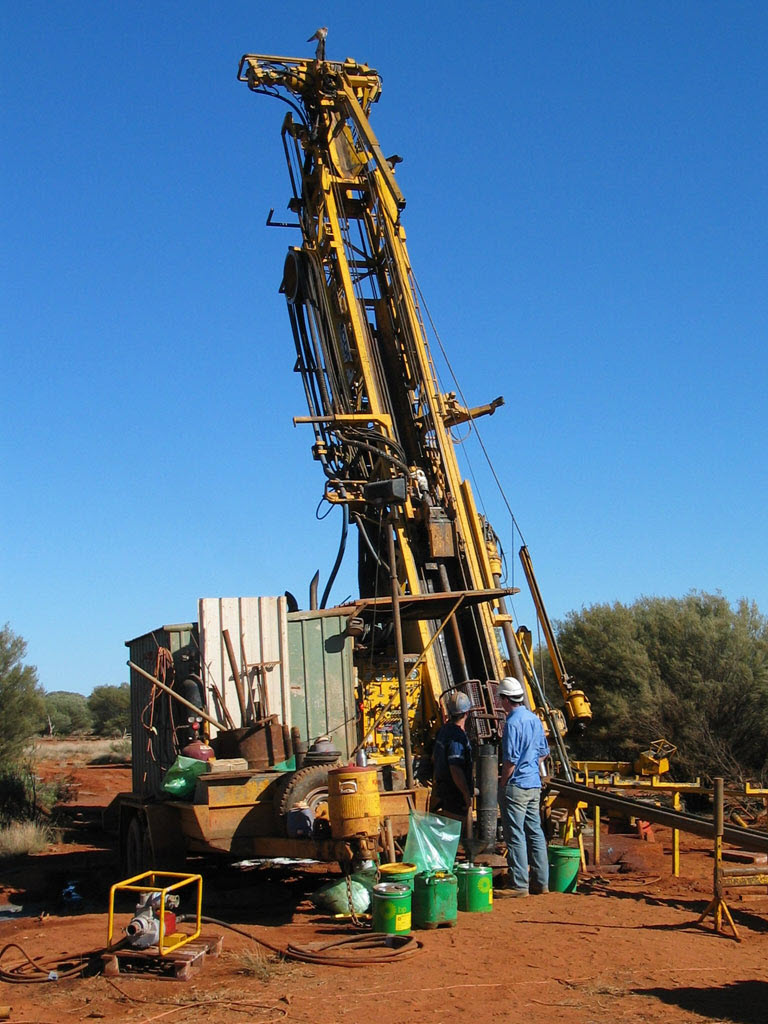
A second possibility is that the joke is slyly referring to the taking of soil borings and is not referring to engineers’ personalities. In this case, the surrounding people were tired because they were up all night evaluating the boring data.
Joke #5
What do you call a snake that builds houses?
A boa constructor.
Discussion and commentary
A boa constrictor cannot build a house because
- It is a snake
- It does not have hands
- It does not use tools
- There are other reasons
But if you want to construct a house for a pet boa constrictor, to in effect be a boa constructor for a boa constrictor, Reptifiles provides good guidance for how to do it. A key takeaway is that the house needs to be big enough for the snake to stretch out to its full length and exercise. It is not clear, however, how a boa constrictor exercises.
The actual building of an enclosure for a boa constrictor is not needed for understanding and presenting Joke #5.
Joke #6
What do you call the child of a civil engineer?
A truss fund baby.
Discussion and commentary
I was curious how AI would deal with the play on words in this joke (if it's not clear, the author has replaced the word “trust” with “truss.”) I asked ChatGPT to provide an illustration of a “Truss Fund Baby.” I was hoping that some trusses would appear somewhere, but unfortunately the large language model just assumed that “truss” was supposed to be “trust.” In other words, ChatGPT failed to get the joke, and came up with this illustration:

Undaunted, I tried again and gave more specific instructions. I asked ChatGPT to update the illustration and include some actual trusses. Here is the revision:

In the second illustration, the truss fund baby oversees a fund with some trusses. But the trusses don’t really make engineering sense, in that one side is supported by the HQ building and the other side appears to hang in midair. Maybe this is a cantilever truss design? Antigravity support? I could probably refine the request further with better instructions to have the support of the trusses shown properly.
There is actually a lesson here in working with AI. At times, the current version of Artificial Intelligence is not that intelligent. The process of getting what you want can require iteration. It also requires knowing what you want (i.e., understanding what the answer is supposed to be before you ask).
Joke #7
What is the civil engineer’s favorite kind of tea?
Structural integritea.
Discussion and commentary
None.
Summary
This selection of civil engineering humor provides both jocularity and assistance in social interactions. Using emotionless logic, analysis, and the engineering method, systematic evaluation of these humorous stories can assist in their successful presentation.
When you attend your next civil engineering party, you may now be better equipped to amuse your fellow partygoers. Furthermore, by studying the context of the jokes, you will find yourself in a stronger position to evaluate the humor and suggest supplemental interpretations, which may add to the humor. This positive contribution will amuse other guests and certainly encourage invitations to future civil engineering parties.