Brian Brenner, P.E., F.ASCE, is a professor of the practice at Tufts University and a principal engineer with Tighe & Bond in Westwood, Massachusetts. His collections of essays, Don’t Throw This Away!, Bridginess, and Too Much Information, published by ASCE Press, are available in the ASCE Library.
In his Civil Engineering Source series, More Water Under the Bridge, Brenner shares some thoughts each month about life as a civil engineer, considering bridge engineering from a unique, often comical point of view.
It’s time for this year’s countdown of the top five bridges (in the United States). To determine the top five bridges, I used the same deeply scientific approach as last year. I polled myself, and here are the results listed in order.
On with the countdown:
Number 5: Lincoln Woods Suspension Bridge – Lincoln, New Hampshire
There are a lot of wilderness trail suspension bridges, and the Lincoln Woods bridge is one of the best. The bridge is in the White Mountains National Forest, off the Kancamagus Highway east of Lincoln, New Hampshire. It crosses the Pemigewasset River and connects to hiking trails on the west side of the river.
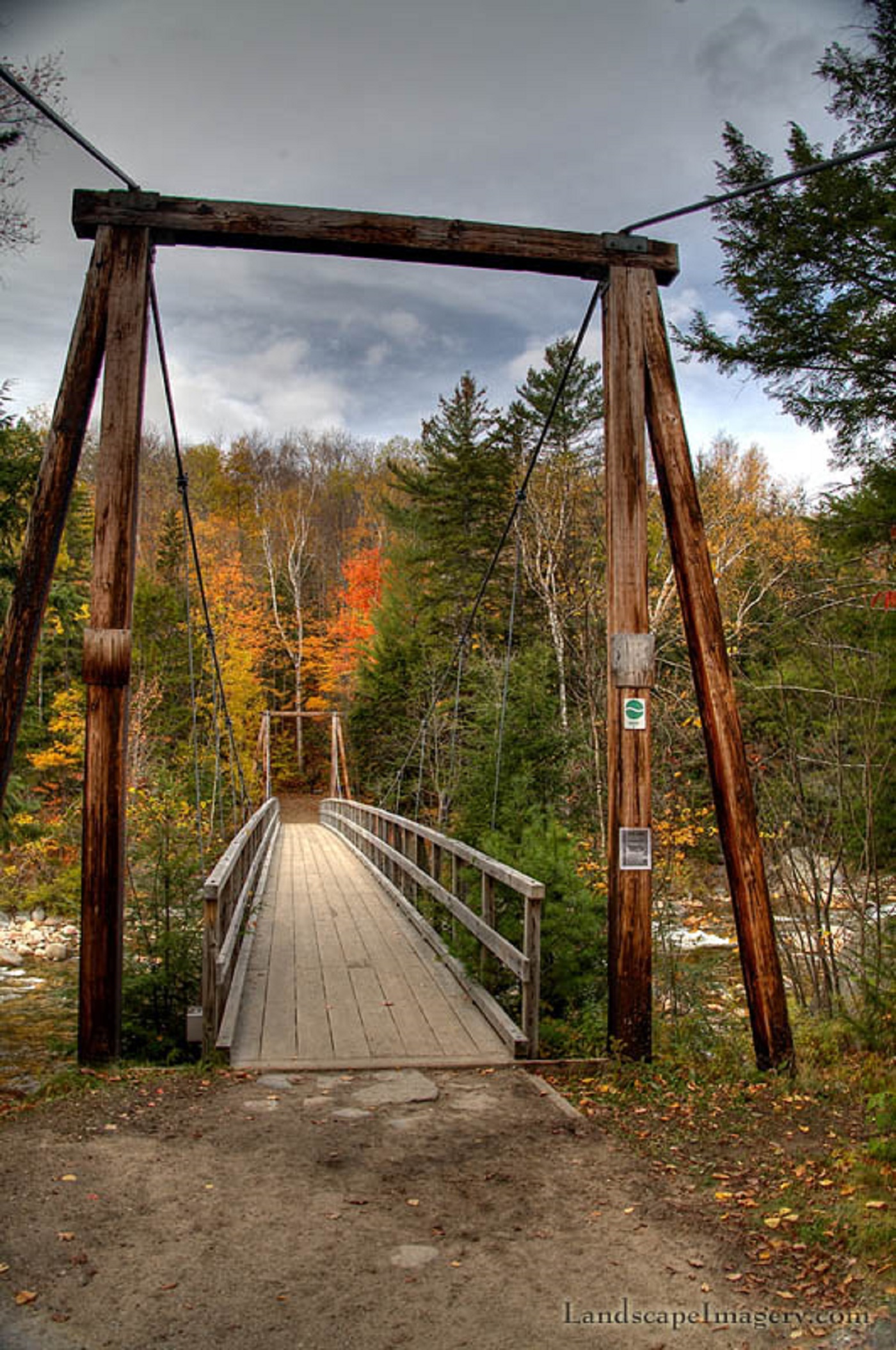
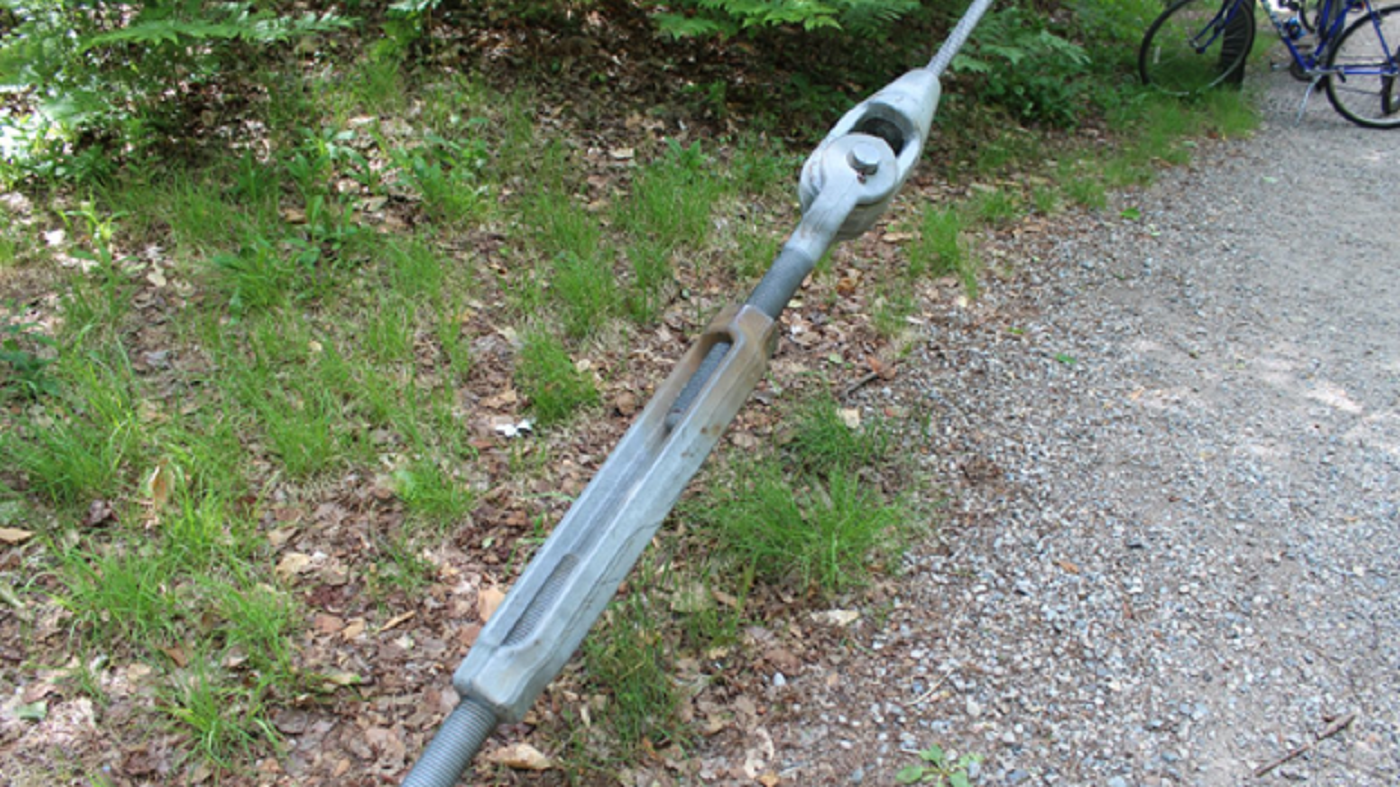
The bridge superstructure features a wood-framed deck supported by wire cables and suspenders. The anchorages are built back from the trail, with turnbuckles to help adjust cable tension.
 Brian Brenner
The bridge is pure suspension bridge bliss, with spectacular scenery. The structure and parts are all accessible, so if you are a structural engineer (and who wouldn’t be?), it is easy to study the details.
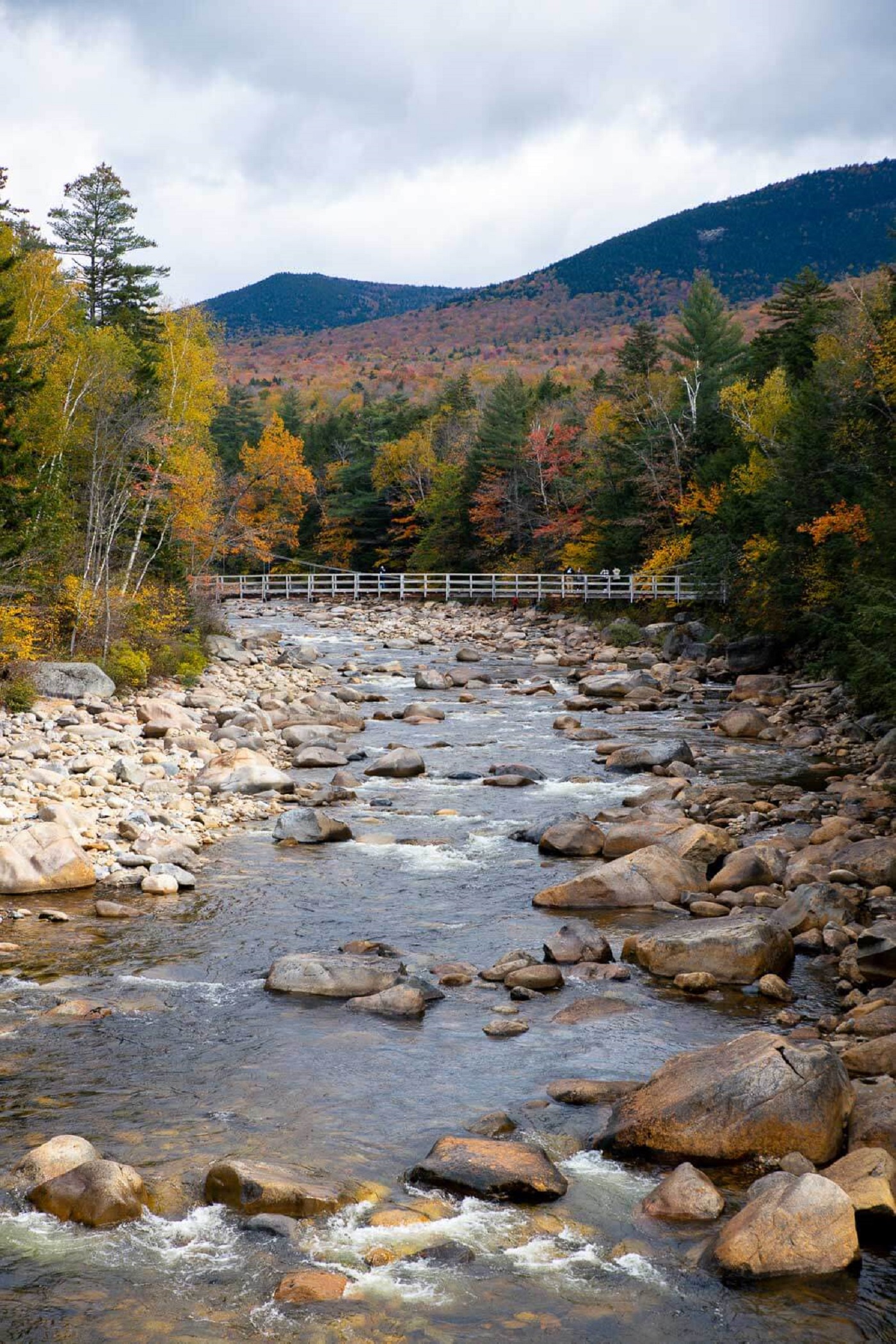
When you visit, preferably in mid-October, bring a few friends along. You can position them at different locations on the span to perform impromptu load tests.
Number 4: Clearwater Memorial Causeway – Clearwater, Florida
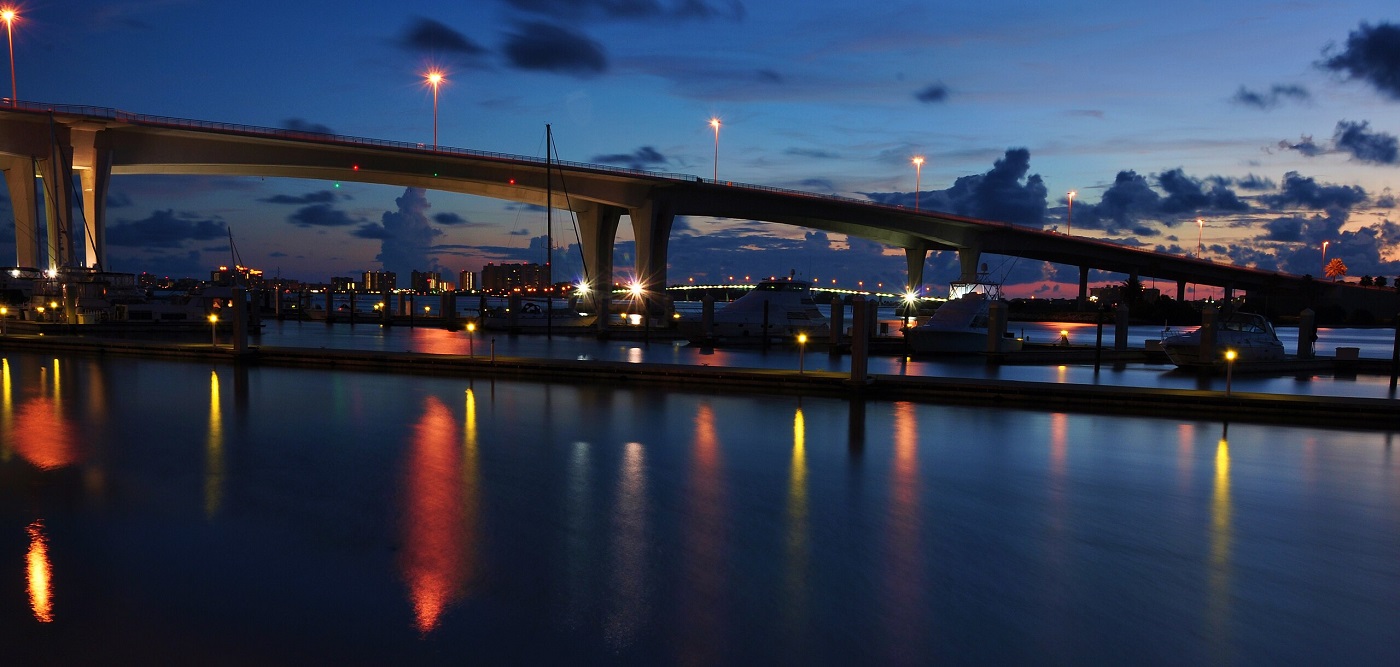
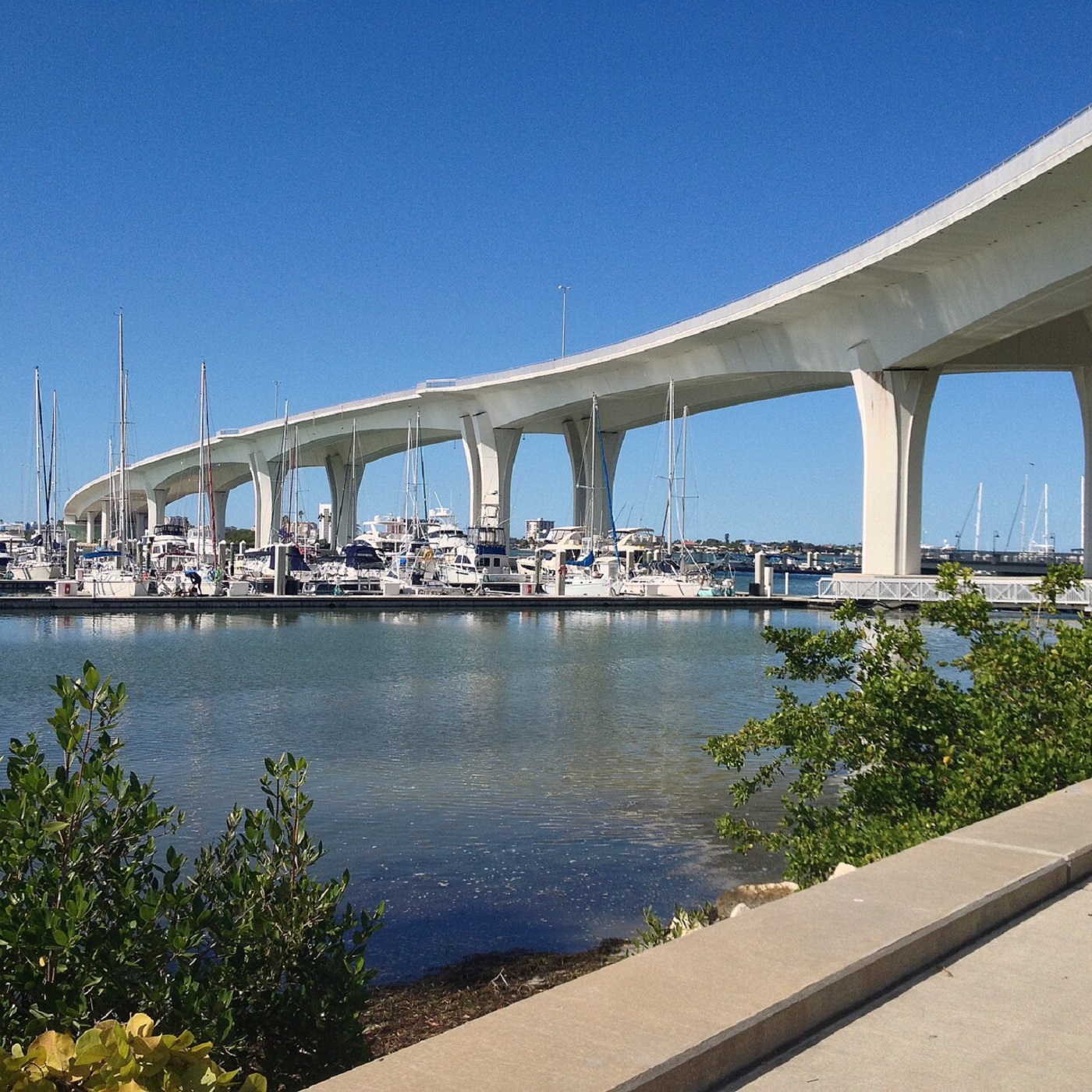
The Clearwater Memorial Causeway crosses an inlet to connect mainland Florida to Clearwater Beach. The bridge features a series of post-tensioned box beam spans that fit a curving road alignment. All parts of the structure are just fine, with nice shapes and detailing.
The present bridge is the successor to three previous crossings: a wooden trestle causeway (1915), a drawbridge (1927), and a wider and higher drawbridge (1963). The current bridge opened in 2005 and was designed to be high enough to accommodate boats without needing a movable span.
 Andrew Heneen
Number 3: Trail Creek Trestle – Athens, Georgia
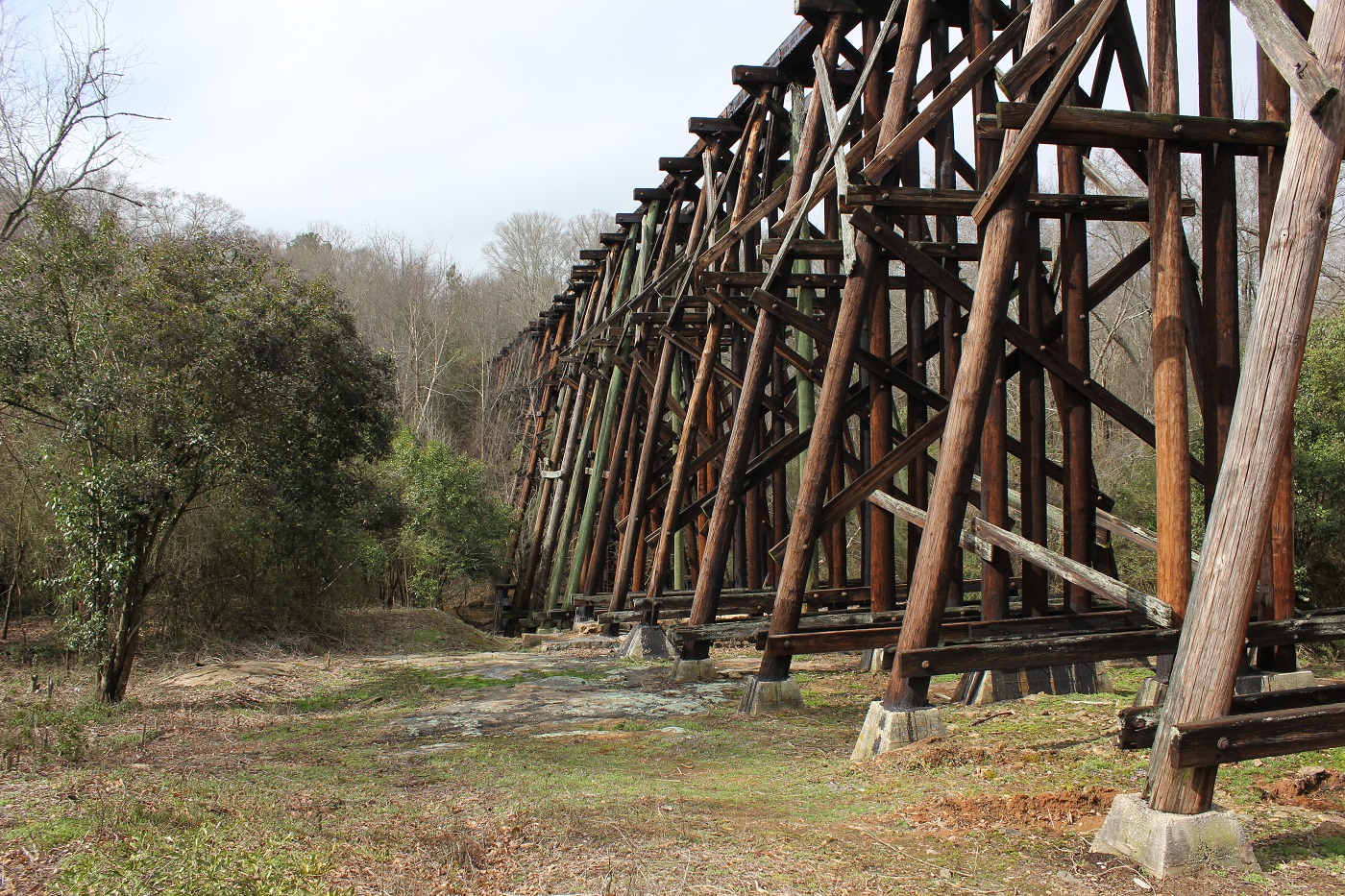
A large, wood-framed trestle was built in 1883 to transport the Georgia Railroad over Trail Creek in Athens, Georgia. It has had many lives and uses since then.
 Nicolas Henderson
The trestle achieved non-bridge fame when the rock band R.E.M. used an image of it for the back cover of one of its record albums. The graphic designer used the sloping side of the trestle to list the songs.
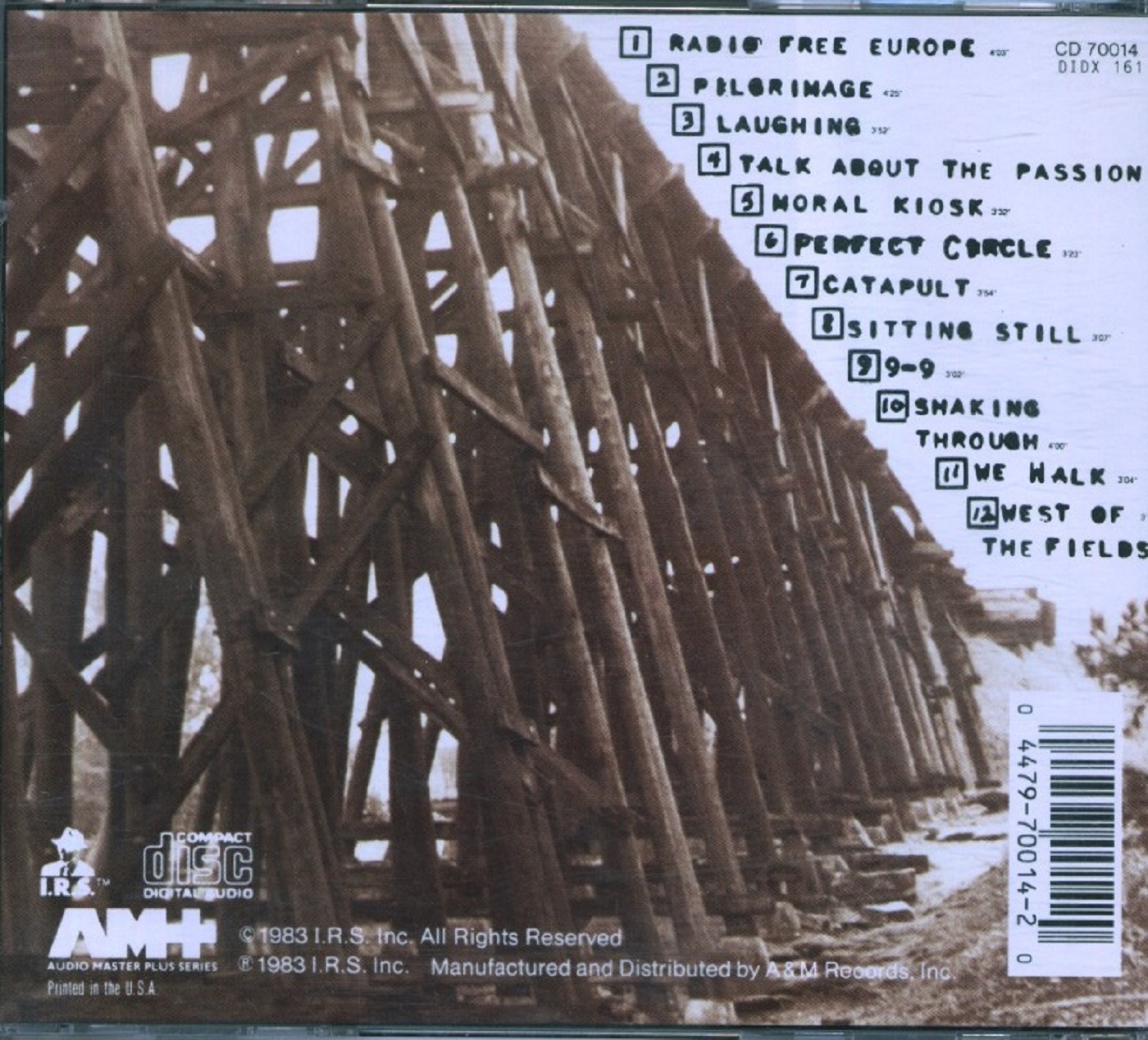
In 1984, a year or so after the album’s release, the railroad closed, and the trestle was abandoned. The city of Athens purchased the bridge in 2000 and looked to renovate its aging timber structure. R.E.M. fans helped to lead a preservation effort.
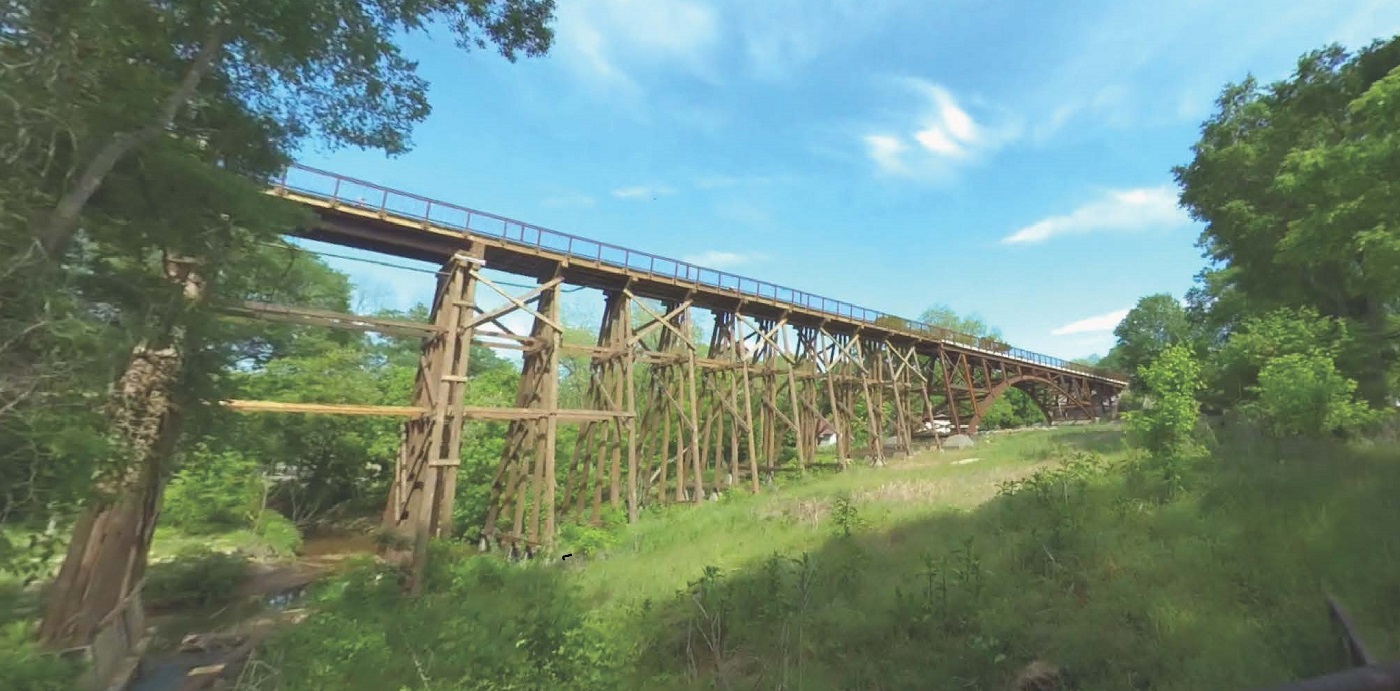
Unfortunately, the trestle had deteriorated further and could not be salvaged. It was demolished in 2001. A wood trestle was built at the same location for the new Firefly Trail. The new trestle was designed to look like the old one. The new crossing has steel arch bridges on either side of the rebuilt trestle. The rail trail opened in 2023.
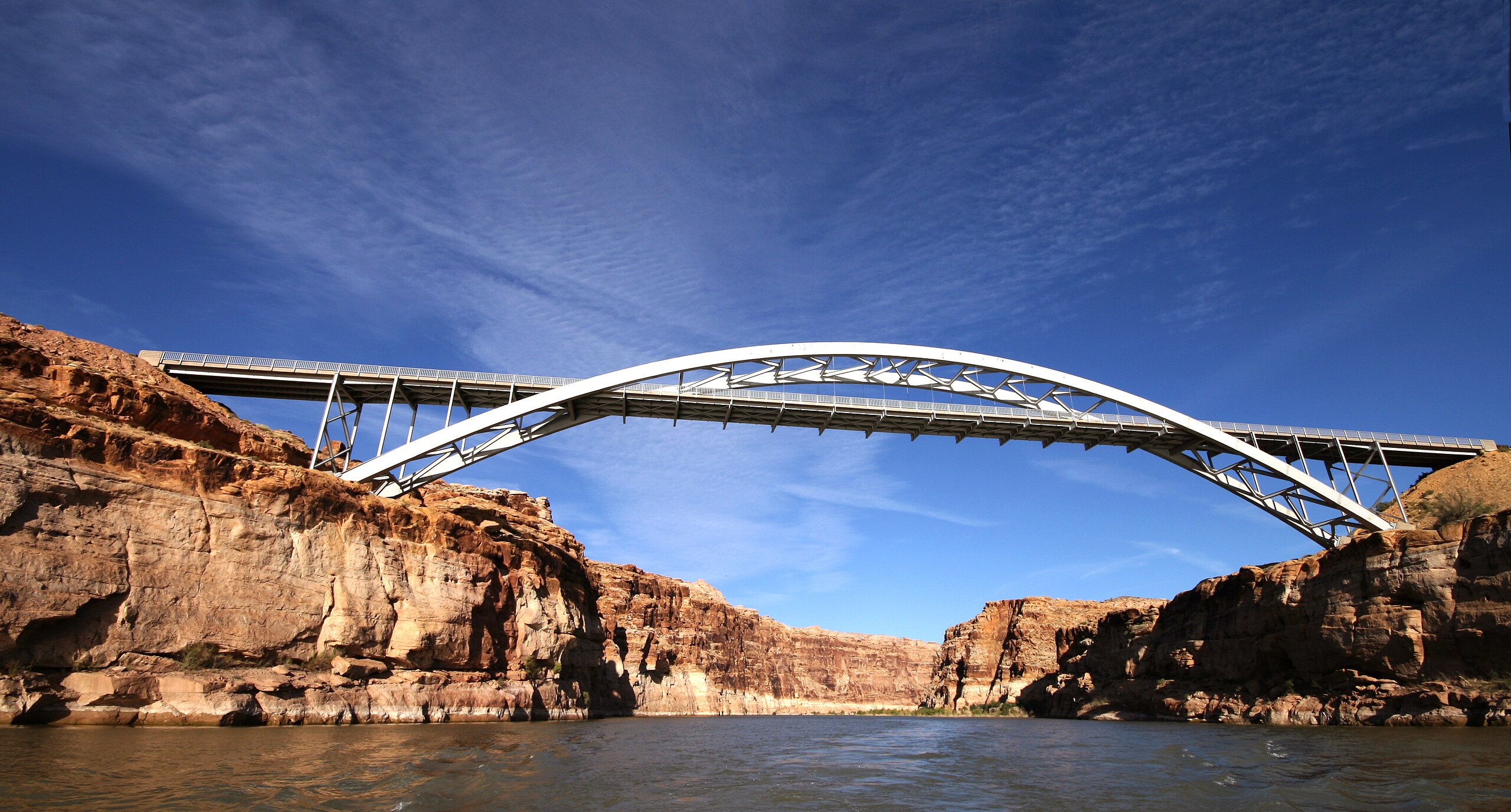
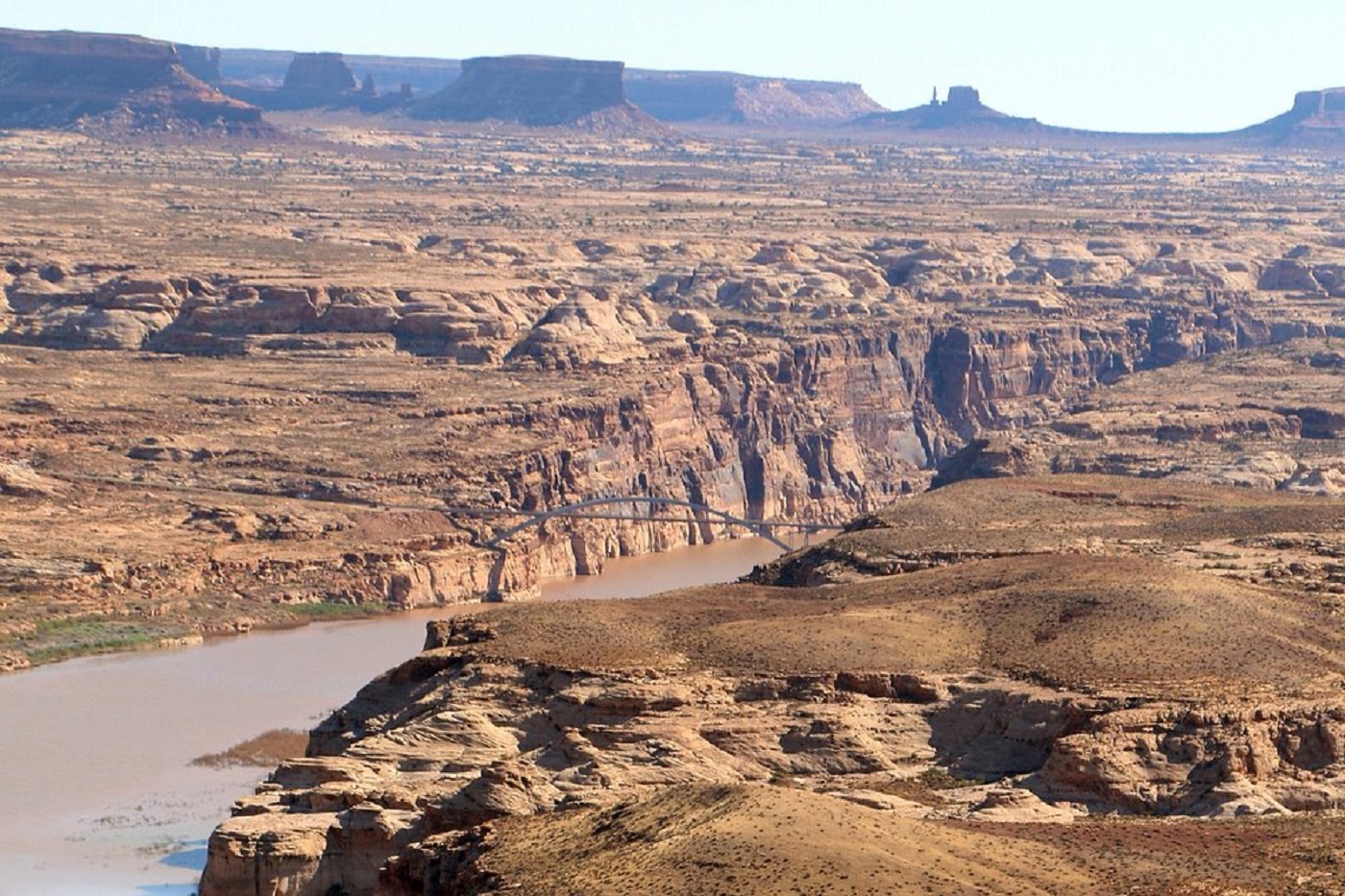
Number 2: Hite Crossing Bridge – near Blanding, Utah
 Dreanaline
In southern Utah, State Route 95 crosses the Colorado River on the Hite Crossing Bridge. It is the only river fixed crossing in the 300 miles between Page, Arizona, and Moab, Utah. The bridge opened in 1966. Its surroundings feature a spectacular and fantastic array of canyons, buttes, and rocky desert landscapes. The arch bridge is likewise sleek and sparse, fitting well in its otherworldly surroundings.
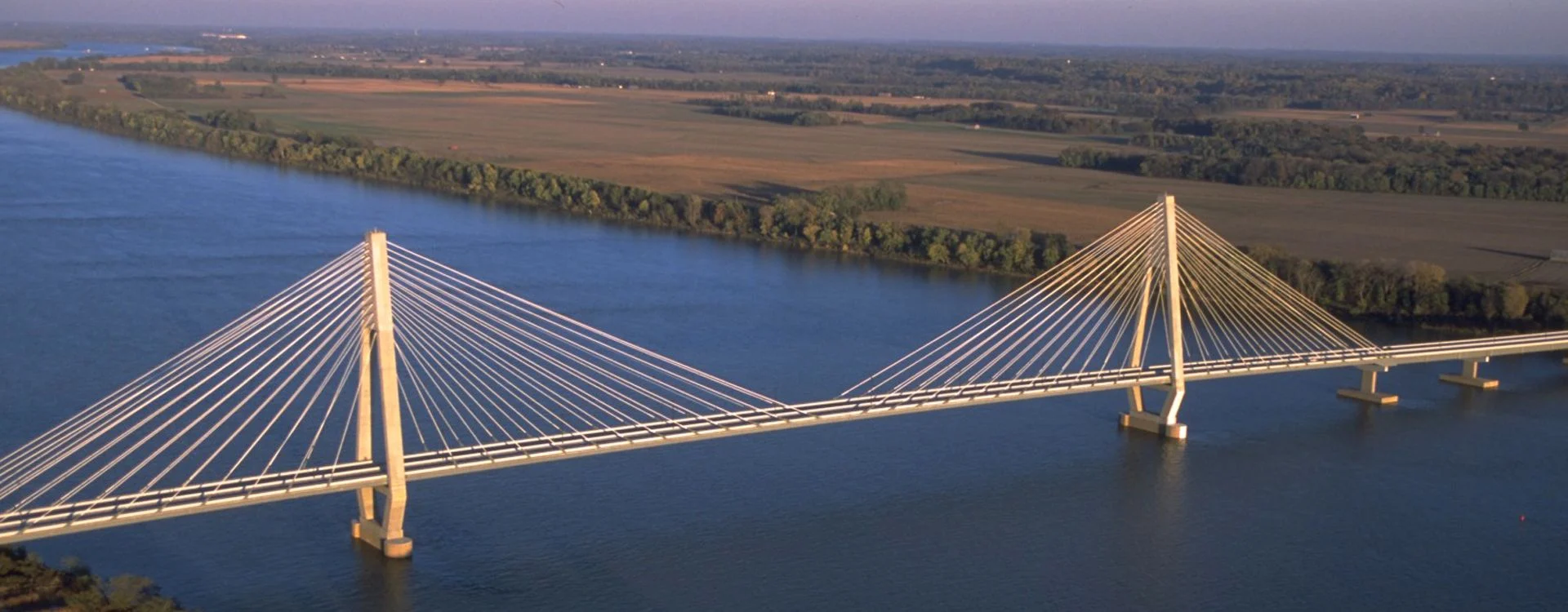
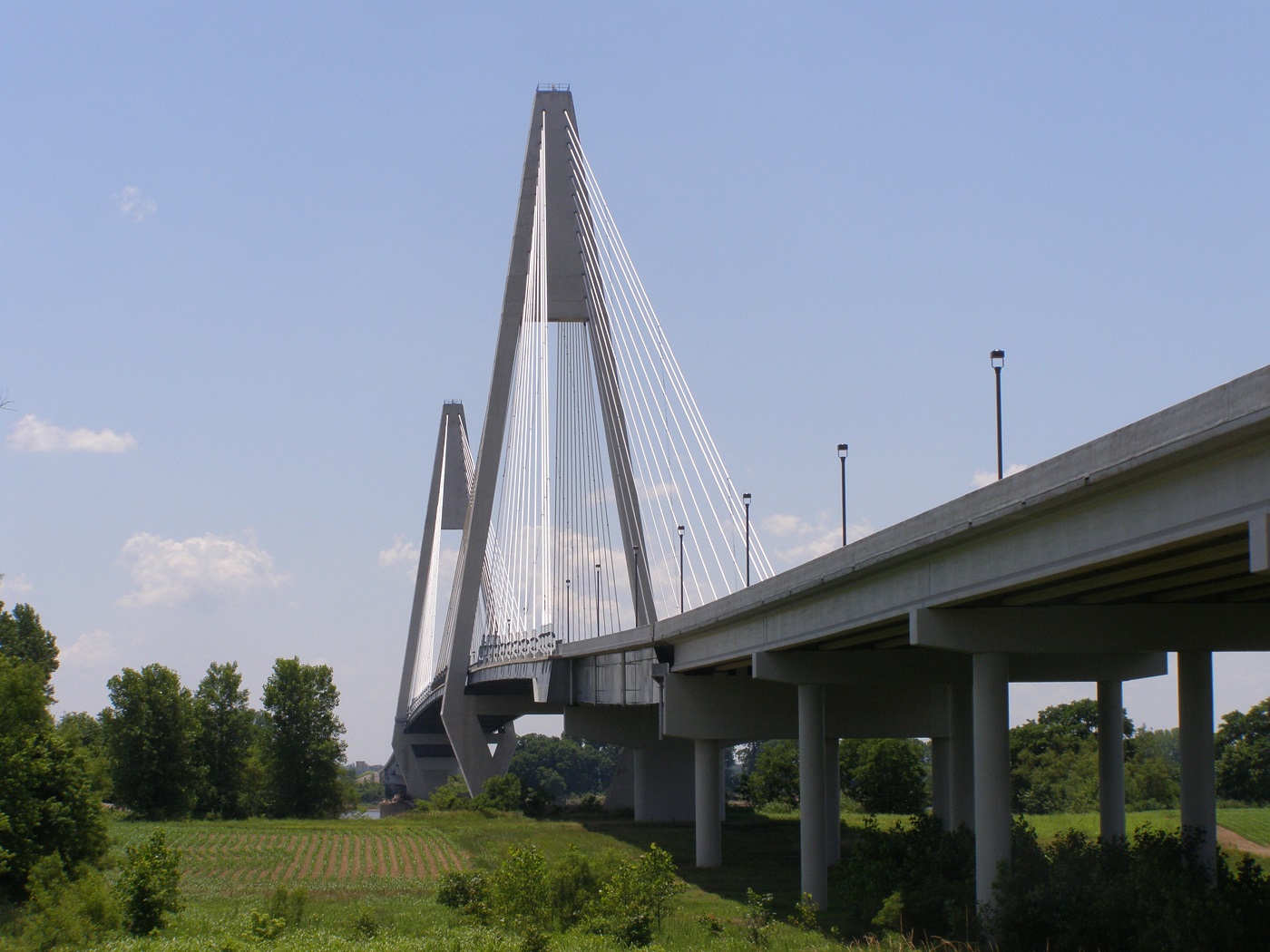
Number 1: William Natcher Bridge – Owensboro, Kentucky–Rockport, Indiana
Over the years, aging Ohio River crossings have been gradually replaced with a second generation of bridges. Many of the original bridges were cantilever truss structures. They have been replaced by tied arches and cable-stayed bridges. The modern cable-stayed form was largely developed in Europe to replace bridges destroyed during World War II. In the U.S., the form has been most widely used for new Midwest river crossings.
One of the best of the newer bridges is the Natcher Bridge, crossing the river about 6 miles east of downtown Owensboro. It was not a replacement, but was built to supplement the Owensboro Bridge (aka the “Blue Bridge”), a three-span continuous truss that opened downtown in 1940 and remains in service.
The Natcher Bridge is a beautiful cable-stayed bridge, with nicely detailed A-frame towers and a symmetric span layout. With its approach spans, the overall bridge is much wider than the river, providing space for the river’s flood plain. It connects to a series of freeways that provide a bypass around Owensboro.
 WSP
WSP
 Chris Light