Brian Brenner, P.E., F.ASCE, is a professor of the practice at Tufts University and a principal engineer with Tighe & Bond in Westwood, Massachusetts. His collections of essays, Don’t Throw This Away!, Bridginess, and Too Much Information, published by ASCE Press, are available in the ASCE Library.
In his Civil Engineering Source series, More Water Under the Bridge, Brenner shares some thoughts each month about life as a civil engineer, considering bridge engineering from a unique, often comical point of view.
The Florida Keys are connected to mainland Florida by U.S. Route 1 on the Overseas Highway. The highway includes an impressive series of bridges crossing the shallow waters between the many islands. Route 1 starts at the Canadian border in northern Maine and continues south for more than 2,000 miles into Florida. The Overseas Highway comprises the last 113 miles to the end of Route 1 at Key West.
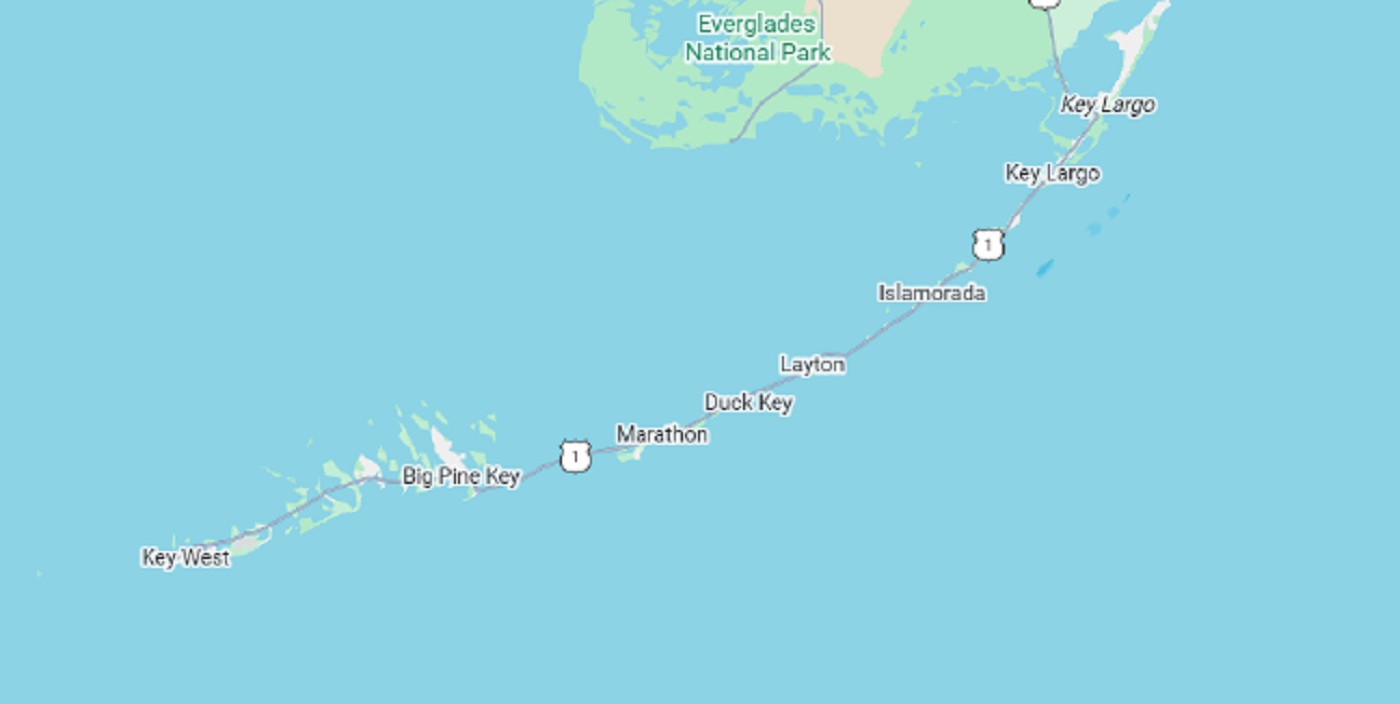
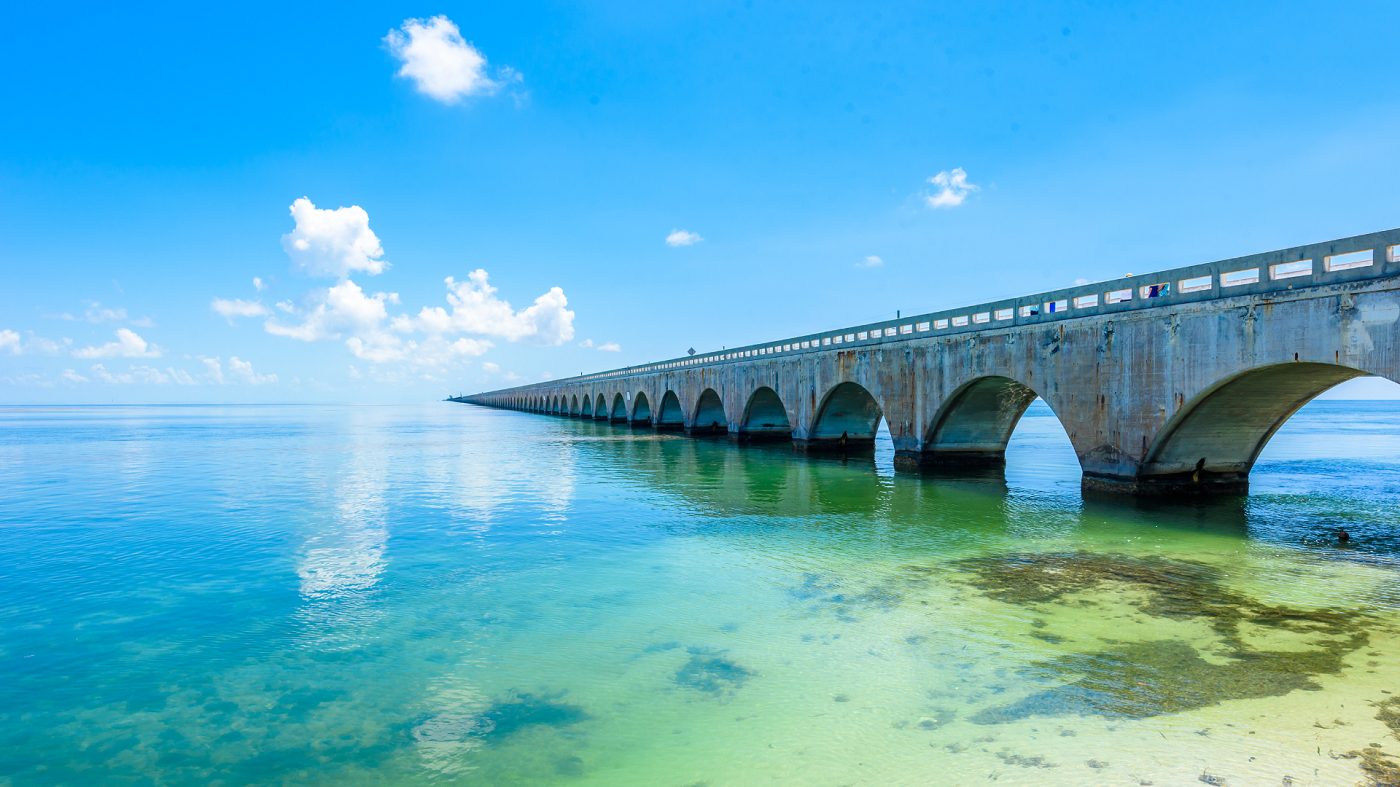
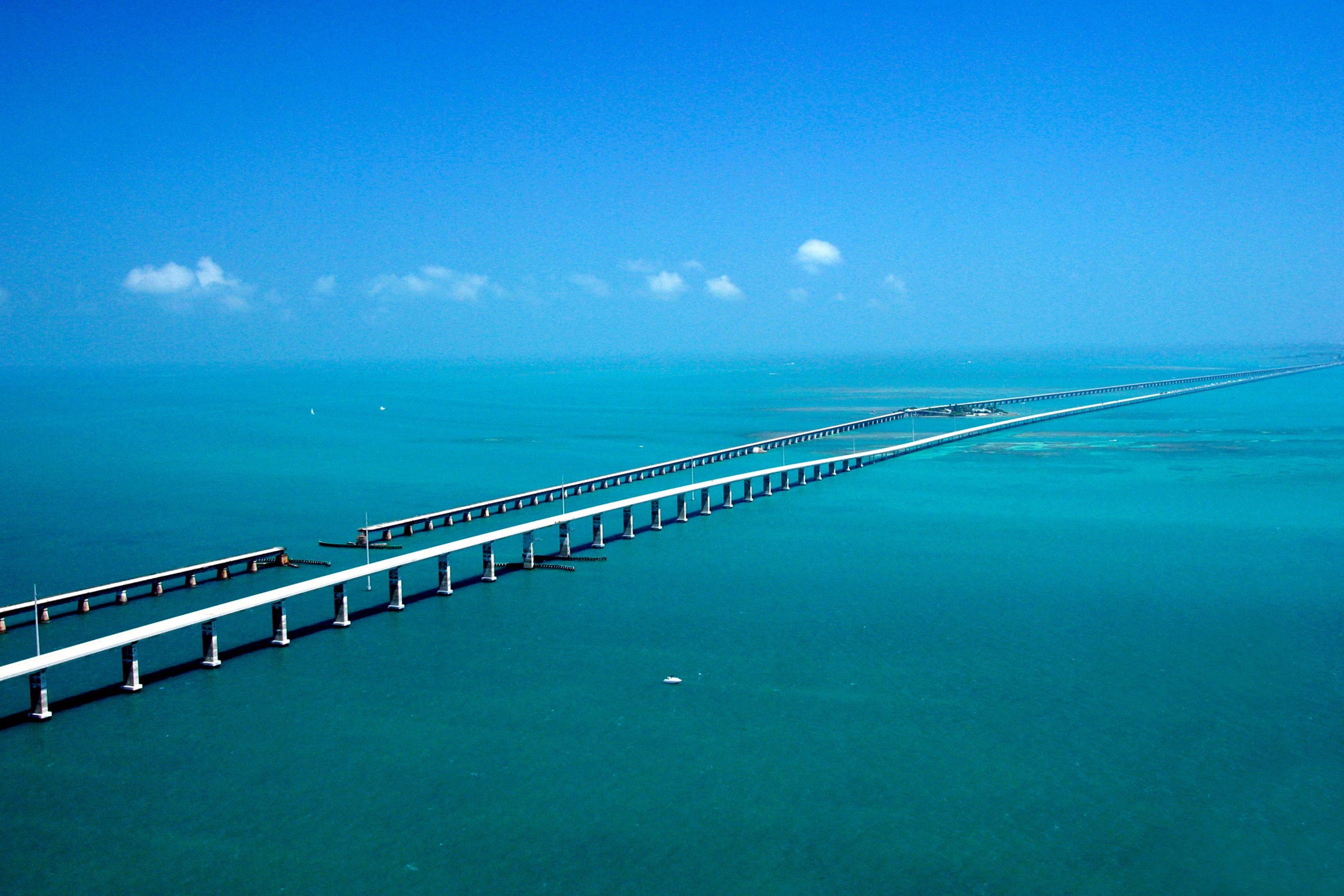
The longest crossing is the stunning Seven Mile Bridge, connecting the city of Marathon on Knight’s Key to Little Duck Key and Big Pine Key. It was built in 1912 originally as a rail bridge. After the Labor Day Hurricane of 1935, with the failure of the railroad, the bridge was sold to the state of Florida. The structure was converted to a highway bridge and then replaced by a new structure in 1982.
Most of the original bridge remains in place. Its east end has been reused as a pedestrian and bike path from Knight’s Key to a park on Pigeon Key. To the west, it is mostly no longer in use. At least, not officially.
 plantgrowsave.org
 U.S. Dept. of Transportation
The west end of the original bridge featured a series of concrete closed spandrel wall arches. The space between the walls was filled with sand and miscellaneous material, and the roadway was paved on top. When the original bridge was abandoned, parts were converted to a pedestrian walkway. Apparently, the fill was also available for other, unplanned uses.
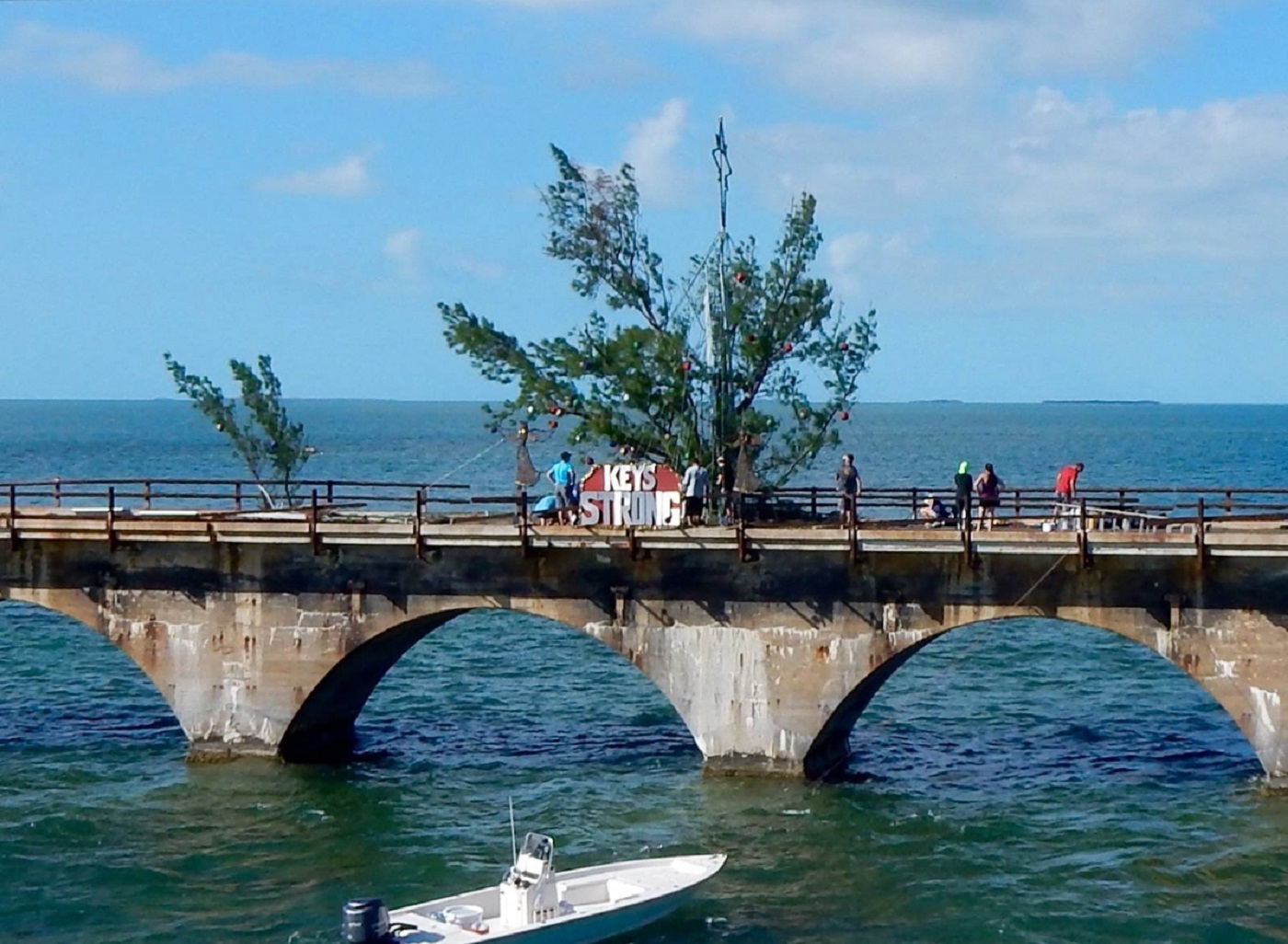
At some point, a seed made it to the deck of the old bridge. Some say the seed was carried by a seagull’s droppings, and the seed found its way into the fill. An evergreen tree of the genus Casuarina (also known as an Australian Pine, but it is not actually a pine tree) took root in the sandy soil about a mile and a half offshore of Little Duck Key. Usually, an abandoned bridge deck crossing a saltwater bay is not a good environment for a tree. But the Australian Pine that sprouted was a hardy plant. This type of tree grows well in salty and warm environments, and it does fine in sandy soil. The old bridge deck was well-watered with frequent and distributed rain all year long.
Travelers witnessed the peculiar sight of a random tree growing on the bridge. Local residents named it “Fred,” which is an acronym “For Real Enjoyment Driving.” It is not clear whether the tree-namers picked “Fred” and back-figured the acronym, or vice versa (See Note 1 below).
Fred the Tree provides a visual milepost for travelers. It is about halfway along the Overseas Highway between the mainland and Key West. The tree has been remarkably durable. It grows by itself with no maintenance. In its exposed location, it has survived several hurricanes, such as direct hits from Hurricanes Irma and Ian. Fred the Tree’s resilience has been inspirational. Keys residents refer to Fred’s strength when encountering and overcoming adversity.
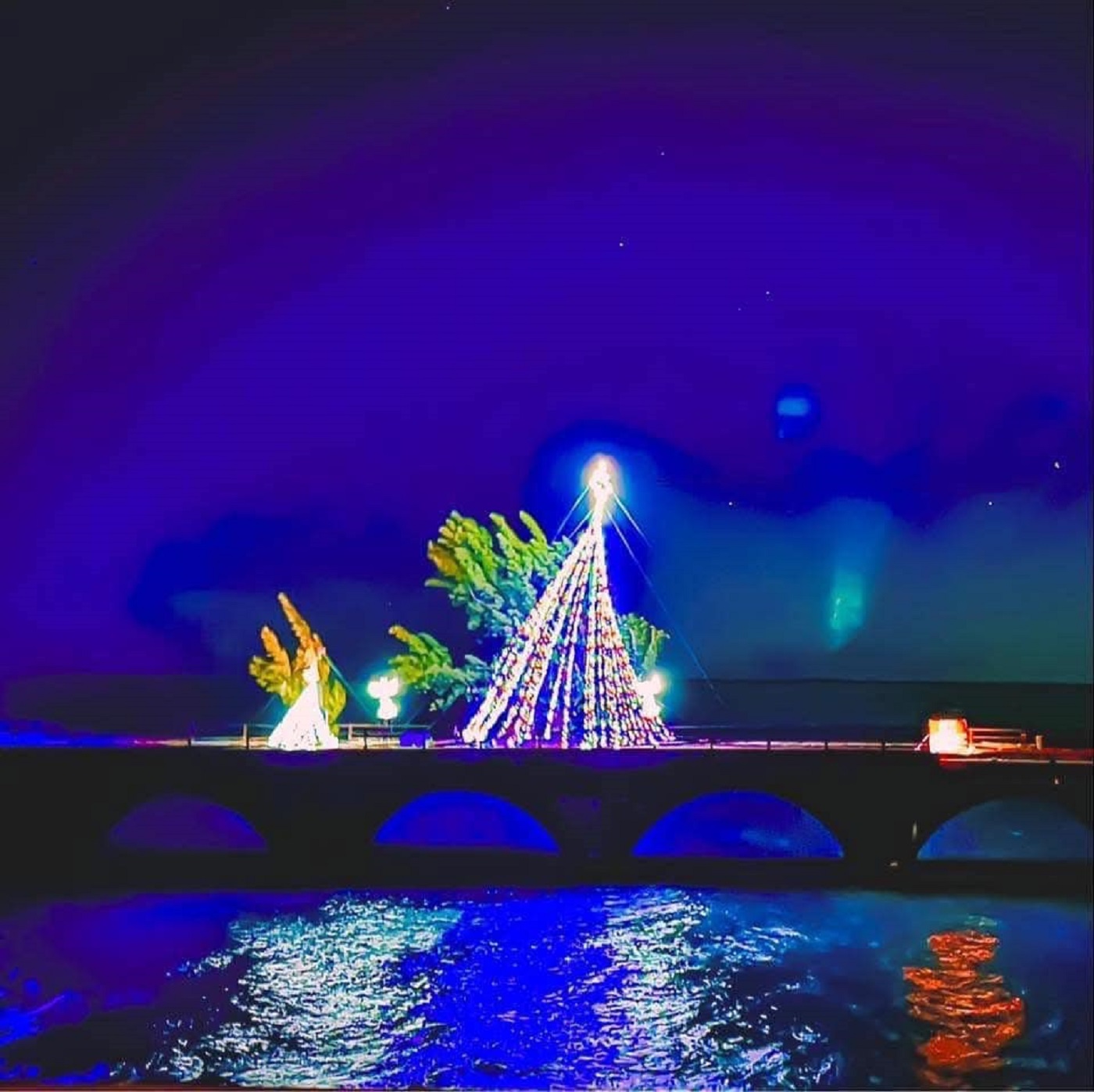
During the December holiday season, local volunteers travel out the abandoned bridge section to hang decorations on Fred. The holiday ornaments provide a different view than what is usually seen on Christmas. Instead of a snowy landscape outside with chestnuts roasting on an open fire, Fred the Tree stands resilient and alone in a bright blue, tropical expanse, with ornaments hanging from his pseudo-piney branches.
 keysweekly.com
 Peter Busch
In addition to Fred’s resilience and symbolic contribution to life on the Florida Keys, there are some potential engineering design lessons to be learned from Fred’s story. Highways and plants often are not a great mix. Highways are precisely engineered, but plants grow where they want to, like Fred. This can lead to landscaping that looks discordant rather than enhancing.
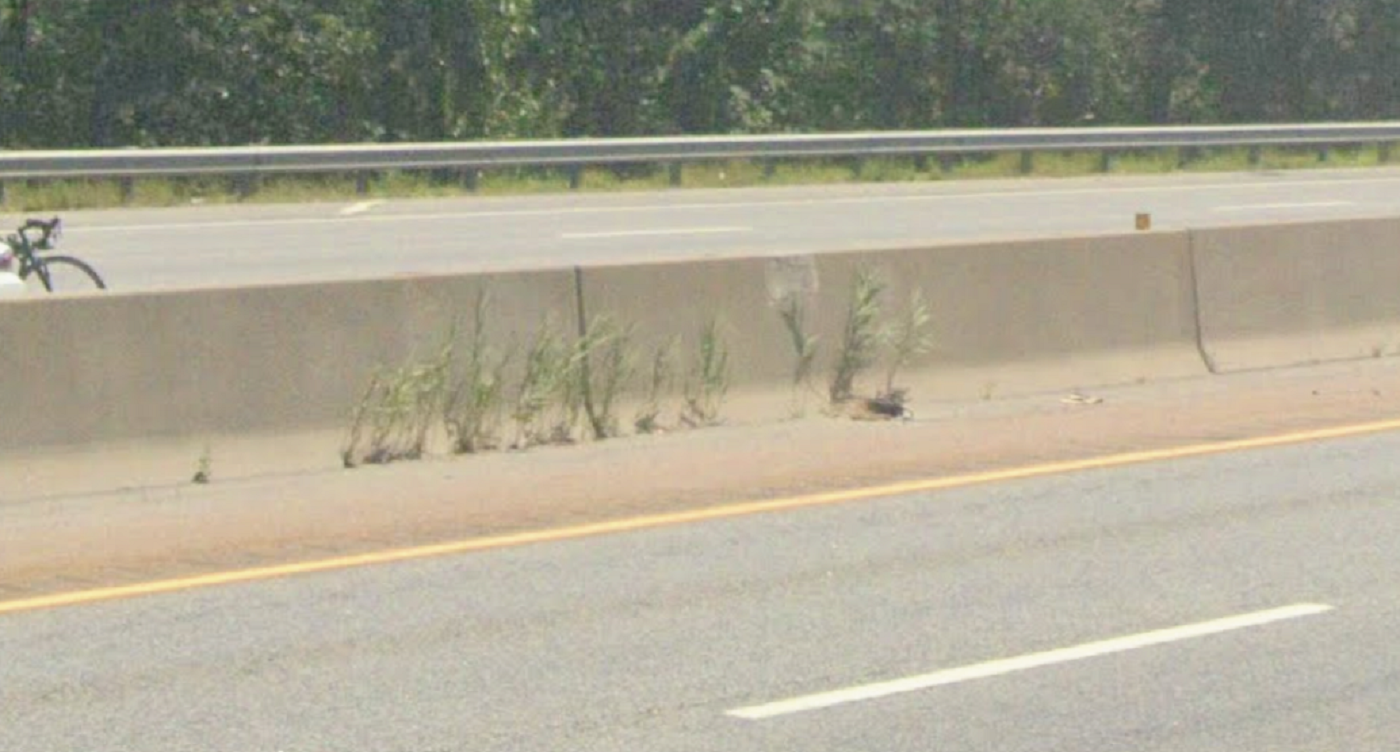
One example is when weeds pop up along expressway right-of-ways. A concrete Jersey barrier looks sleek on the highway’s opening day. But when stubborn weeds poke through, the separation starts to appear run-down.
An FHWA report, Roadside Use of Native Plants, provides guidance on working with native flora in roadway design. Overall, the approach is to design with native plants and expect them to grow where they can. Because they will.
Fred the Tree has been resilient, but he won’t be around forever. The life span of an Australian Pine is reportedly between 40 and 50 years. At some point, Fred will retire to the tree hereafter. But it appears that a sister, known as “Wilma the Tree,” has started to grow next to Fred (see Note 2 Below). Hopefully, Wilma will grow tall and strong and provide inspiration for residents and travelers in the Keys after Fred has departed.
Notes
Note 1
Here are some other acronyms that did not make it to the finals for tree naming (with help from ChatGPT):
Men’s names
JACK — Just Admire Coastal Keys
MIKE — Memories In Keys Environment
LUKE — Love Under Keys Expanse
DAVE — Driving Along Vast Expanse
SEAN — Scenic Enjoyment Along Narrows
PAUL — Peaceful Along Unique Landscape
ERIC — Enjoying Route In Coastlands
MARK — Marvel At Roadway Keys
TROY — Travel Route Of Yesteryear
NATE — Navigate And Take Everything-in
Women’s names
LILY — Love Island Life Year-round
ROSE — Relax On Scenic Expanse
ANNA — Appreciate Nature Near Atlantic
KATE — Keys Adventure To Enjoy
MAYA — Marvel At Your Atlantic
NINA — Nature In Narrow Atlantic
ELLA — Enjoy Life Along Atlantic
ZOE — Zen On Expanse
RUBY — Relax Under Blue Yonder
CLARA — Coastal Living Along Roadway Adventure
A few gender-neutral/playful options
CASEY – Coastal Adventure, Scenic Enjoyment Year-round
RILEY – Relaxation In Lower Expanse Year-round
SKY –Scenic Keys Year-round
OCEAN – Open Coastal Enjoyment Along Narrows
Note 2
Unlike Fred, Wilma the Tree does not yet have an official name. Wilma has also been referred to as “Randi the Tree” or “Fred Jr. the Tree.”
References
Accessed April 2026
“Fred the Tree: The Florida Keys’ Celebri-Tree”
Accessed April 2026
“Road House: The True Story of Florida’s ‘Fred the Tree’ & Its Deeper Meaning for Dalton Explained,” by Lynne Sharpe
Accessed April 2026
“Have You Met Fred the Tree? Introducing the Keys’ Quirkiest Resident”
Accessed April 2026