 Pedro Fernández-Cabán
 With the Atlantic hurricane season beginning June 1, this is the first in a multipart series looking at how engineers are making communities safer and infrastructure more resilient as storms grow stronger and more frequent.
The Atlantic hurricane season officially opens in two weeks, and – as always – the outlook from the National Oceanic and Atmospheric Administration is highly anticipated by the public and national media.
For civil engineers, the outlook offers a glimpse of the federal government’s assessment of potential threats to public safety and U.S. infrastructure over the next six months. Each hurricane brings unique risks to communities, including flooding, storm surge, and high winds.
Further reading:
- How Florida’s Babcock Ranch survived Hurricane Ian
- Community resilience starts with people
- New model shows how to tackle cleanup challenges after cascading hazards
Regardless of NOAA’s forecast for 2026, there is broad consensus that these storms are becoming more intense and destructive. Yet many building codes and infrastructure designs are still based upon how hurricanes behaved in the past.
Because of this, engineers are taking a forward-looking approach to hurricane hazards. They are using field data, laboratory experiments, and even machine learning models to predict the future of hurricane hazards in finer detail while accounting for the potential impacts of climate change.
They hope their efforts can help communities better prepare and mitigate storm damage.
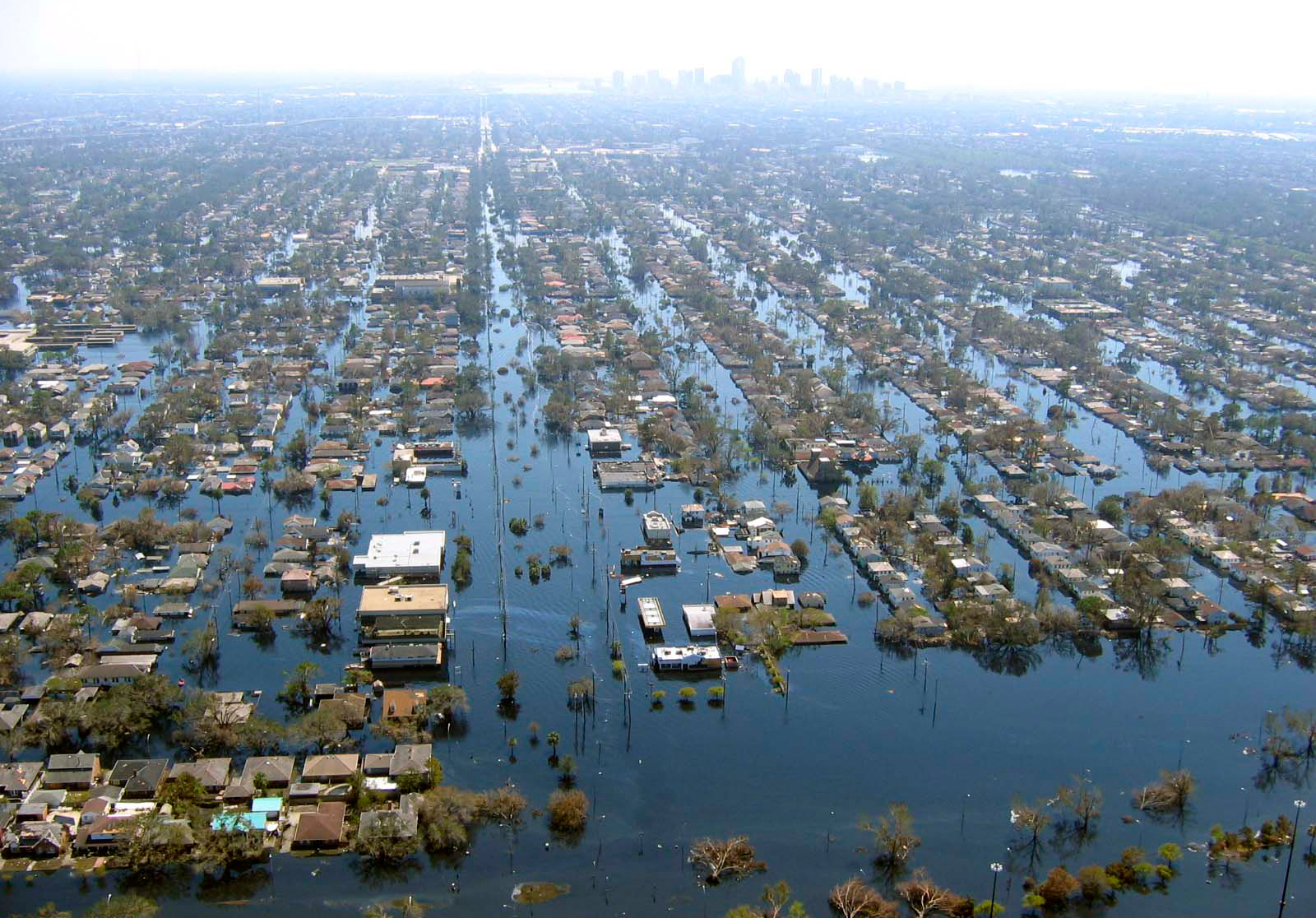
Hurricane destruction can be profound and highly variable.
 National Oceanic and Atmospheric Administration
 The intensity of wind, storm surge, and flooding is highly location dependent, said Pedro Fernández-Cabán, Ph.D., M.ASCE, a civil engineering assistant professor at Florida State University. These attributes also are influenced by storm geometry and onshore terrain.
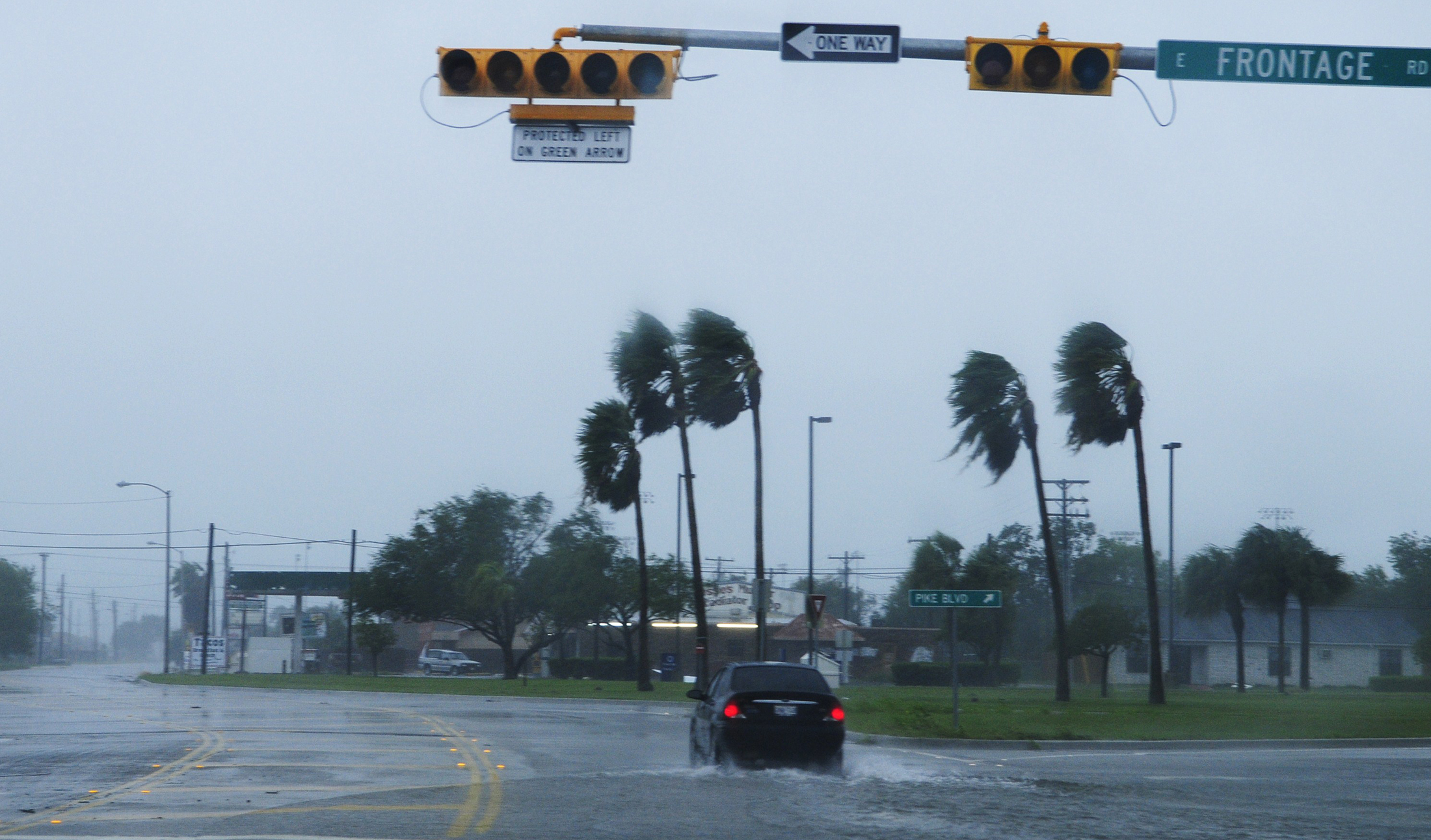
For instance, within a hurricane, “the most intense wind speeds usually occur in what we call the top right quadrant of the storm,” he explained. On land, elevation changes or even the presence of obstacles like trees or buildings can slow winds.
For residential, low-rise buildings, roof failure is one of the main causes of insured losses and structural damage, said Fernández-Cabán. His research focuses on wind engineering and hurricanes.
“Whenever you’re designing a new building, one of the first steps is to get a design wind speed,” he said. These measurements are often informed by wind speeds that are measured on the ground – a notoriously difficult endeavor during a hurricane. “Nowadays we have more cameras than ever, but during storms we know that the power goes out and we go offline,” he said. This spotty data leaves gaps in wind speed measurements during hurricanes.
Reconstructing hurricane winds
Fernández-Cabán noted a concerted effort in his research community to deploy more instrumentation that can survive hurricanes.
“We're trying to just intercept the strongest winds and deploy portable weather stations to capture what's happening near the ground,” he said. “It's a challenge to capture those winds.”
In particular, teams are trying to capture the three-second gust wind speeds – the wind metric used by design practitioners. Even with the increased effort to collect field data, spatial coverage is low. “We only have a few – in best-case scenarios, several – weather stations,” deployed during an event, he noted.
 Pedro Fernández-Cabán
To help fill in the gaps, Fernández-Cabán conducts investigations in and out of the lab. In the field, he and his collaborators collect data from entire regions, gathering details about storm behavior. He then heads to the lab.
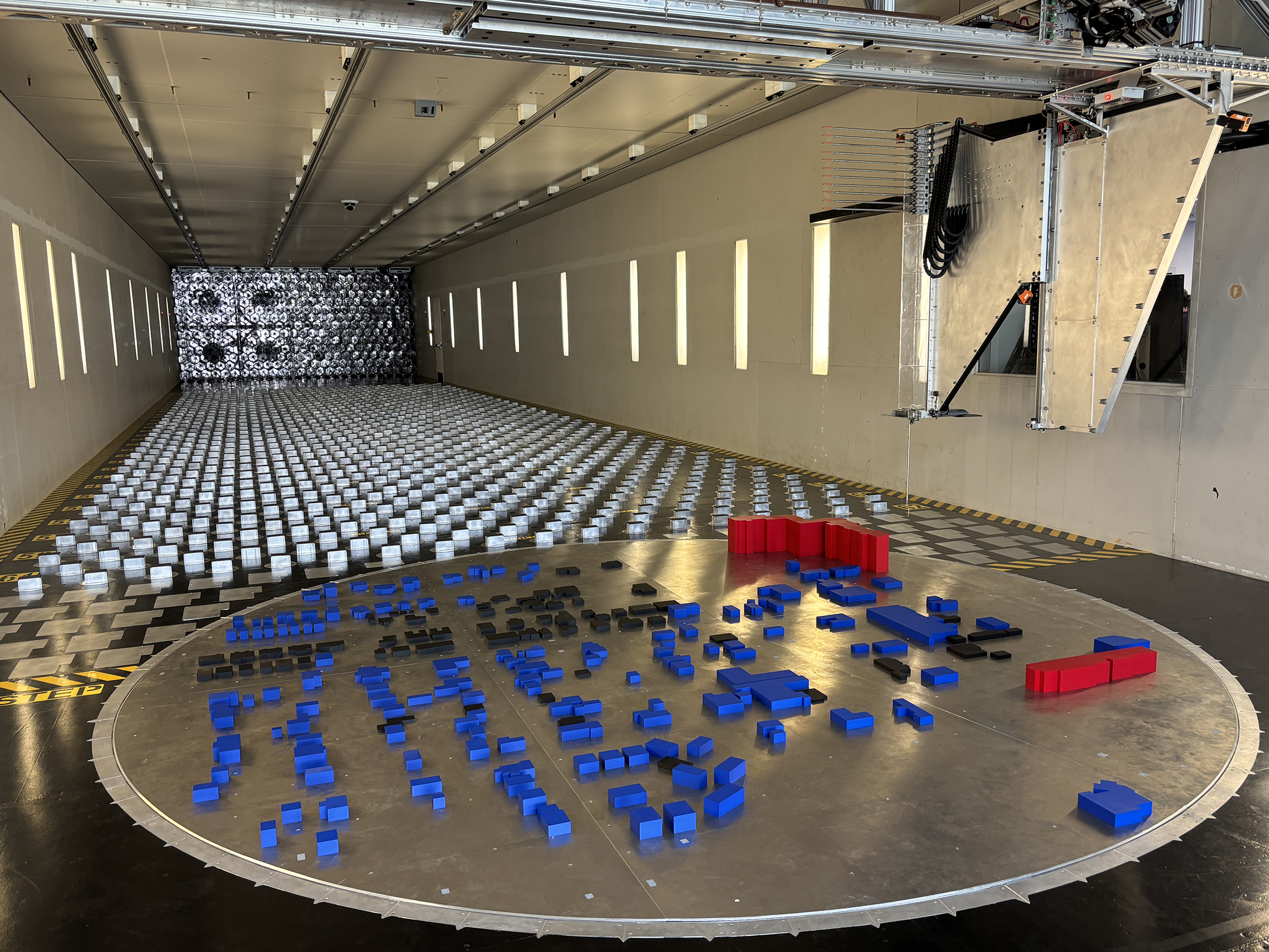
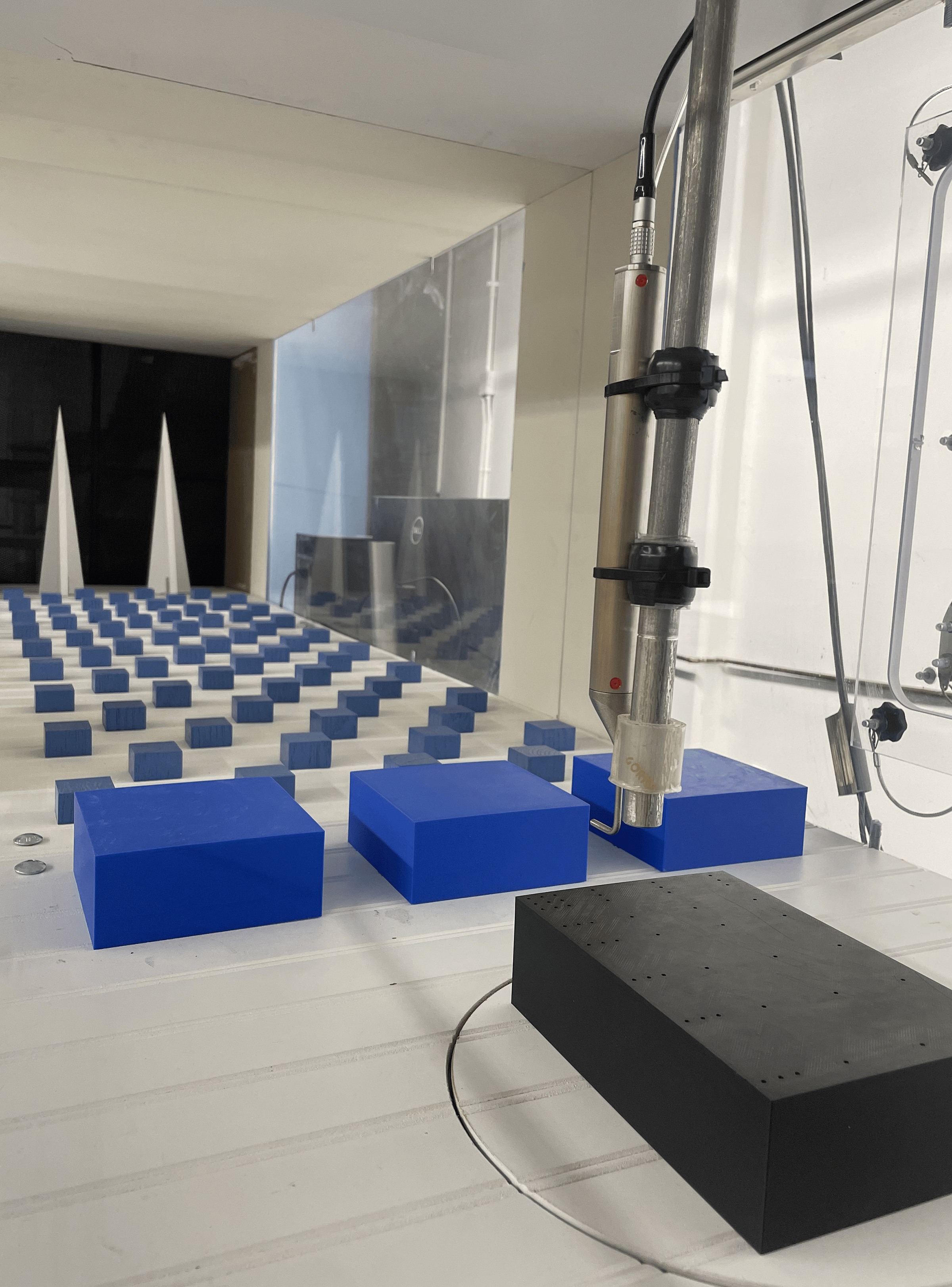
“We bring all the knowledge we gather from the field, then we try to re-create these extreme wind conditions in a wind tunnel,” he said. “The wind tunnel is a more controlled environment, and you can look at different wind scenarios.”
Within the wind tunnel, Fernández-Cabán can create a scaled model of a community and run several wind scenarios. The process allows him to collect a more complete dataset and fill in the data gaps caused by instrument outages.
Recently, he and his colleagues added machine learning to their modeling efforts. Field measurements are combined with wind tunnel data to train the artificial intelligence models. The accuracy of these models depends on inserting high-quality and high-quantity data, so deploying weather stations and measuring more sites is crucial, Fernández-Cabán said.
These models can create detailed design wind speed maps for specific geographic locations. Understanding the wind intensity and duration is helpful for retrofitting existing structures to be more hurricane resilient.
“Modifying the shape of the building, specifically minor architectural detailing, can go a long way in terms of roof failures,” Fernández-Cabán noted. Since roof failure often is driven by the shape of the roof, “you can significantly alleviate or reduce the suction pressures, the negative pressures on the roof, just by making minor modifications to the geometry around the perimeter.”
Simple modifications to a building’s geometry – like the shape of a parapet wall – can significantly reduce suction loads and negative wind pressures, he said. “And that's without talking about retrofitting in terms of fasteners, nails, shielding, and all that.”
By producing more accurate and geolocated wind speeds, engineers can home in on wind design standards for an area. Like flood events, wind speeds during a storm are described as a return period, for example a 500- or 1,000-year event.
This concept is especially important for critical infrastructure design. “If you're looking at a hospital, you would design for a longer return period,” Fernández-Cabán explained.
Although he focuses on wind, Fernández-Cabán was quick to mention that hurricane resilience research is best when it’s a collaborative endeavor. “It's a multihazard perspective that needs to be taken when we are addressing hurricane resilience, which is the combination of wind with storm surge and flooding,” he said. “A building might be fine in terms of its wind performance, but then the building envelope might not perform well or resist storm surge. There’s a need for collaboration.”
Probabilistic hurricane hazards
No two hurricanes are alike, and each storm event presents a range of possible damages and challenges.
Understanding the probability of hurricane hazards is an important step to mitigate losses and avoid casualties when the next big storm hits, said Catalina González-Dueñas, Ph.D., M.ASCE, an assistant professor of civil engineering at George Mason University. She is also a member of the ASCE Multihazard Mitigation Committee.
To best capture the possibility of hazards, she and her colleagues are using probabilistic hazard analyses to help prepare for the next big storm while helping mitigate losses. This approach gets to the heart of how people tend to make decisions, she explained.
If you wanted to predict how bad storm surge might be for the upcoming hurricane season, “do you prefer to know just a single number or would you prefer a range of possible outcomes? That's what the probabilistic risk brings into the picture,” González-Dueñas said.
Probabilistic risk analyses combine hazards, probability, and exposure, she explained. “Usually, the outputs of a probabilistic risk analysis are a distribution of losses that you can expect over a region,” González-Dueñas said.
While people often think of losses as simply financial, this can include downtime for repairs or ecosystem damage. Because a dollar amount can be easily applied to infrastructure-related damages, those numbers are often reported after a hurricane.
González-Dueñas uses a combination of historical data and predicted factors such as climate change and sea-level rise to model what hurricanes may look like in the future. This physics-based modeling allows her to run thousands of simulations and model some of the most extreme events to reveal where the hazards are highest. She also incorporates AI into her work but is careful of how she uses this technology.
“Imagine if you were in an exam on literature, and then you see something related to statistics,” she said. “You would say, ‘What is that? I have never seen that in class.’ … You would probably start inventing something. That’s the risk embedded with AI – you really need to understand how AI models are developed, their capabilities and limitations, in order to use them.”
She added that even with these caveats, AI modeling has been useful in different stages of risk analysis.
Because hurricanes involve many overlapping risks, mitigation efforts can vary wildly. At the property level, elevating homes and adding floodproof materials may bolster against water issues while altering a roof’s geometry could lessen the wind pressures on the structure. At the community level, strategies such as seawalls, nature-based solutions, stormwater upgrading, and a reduction of impervious surfaces can also mitigate damages, said González-Dueñas.
Risk analyses like those she and her colleagues conduct can help inform building codes and mitigation strategies for communities. González-Dueñas gave an example of elevating a coastal home to mitigate flooding’s effects. Before ASCE 24, the minimum requirements for floor elevations were based on the Federal Emergency Management Agency’s base flood elevation plus 1 foot. Now with ASCE 24, it is risk based and accounts for sea-level rise. While the new standards aren’t a perfect solution, she noted it’s a huge improvement. “We're moving into the right direction,” she added.
 Federal Emergency Management Agency
González-Dueñas noted that ASCE 24 also imposed stricter requirements for materials used to prevent water intrusion. “Before, a company could claim that their window or door can keep the water outside, but now it requires standardization,” she said. After the updated standards, companies now must go through a process before making such claims.
Building standards like ASCE 24 give minimum requirements, but some companies are taking it a step further.
“Right now, a lot of big firms are using performance-based engineering to design projects,” González-Dueñas said. In this case, the firm decides the amount of stress and hazard a building can withstand.
“It’s called performance based because you choose your performance, and then you do your design based on it,” she explained. “You’re actually targeting a level of performance that you can define or that you can prepare for. I think the space is moving toward that design philosophy.”
With hurricane season at hand, engineers like Fernández-Cabán and González-Dueñas will keep collecting data and updating their modeling efforts. Their hope is to increase information about hazards and understand which mitigation strategies can best help communities. “There's always a residual risk, but at least we can do our best to mitigate the consequences of it,” González-Dueñas said.