Brian Brenner, P.E., F.ASCE, is a professor of the practice at Tufts University and a principal engineer with Tighe & Bond in Westwood, Massachusetts. His collections of essays, Don’t Throw This Away!, Bridginess, and Too Much Information, published by ASCE Press, are available in the ASCE Library.
In his Civil Engineering Source series, More Water Under the Bridge, Brenner shares some thoughts each month about life as a civil engineer, considering bridge engineering from a unique, often comical point of view.
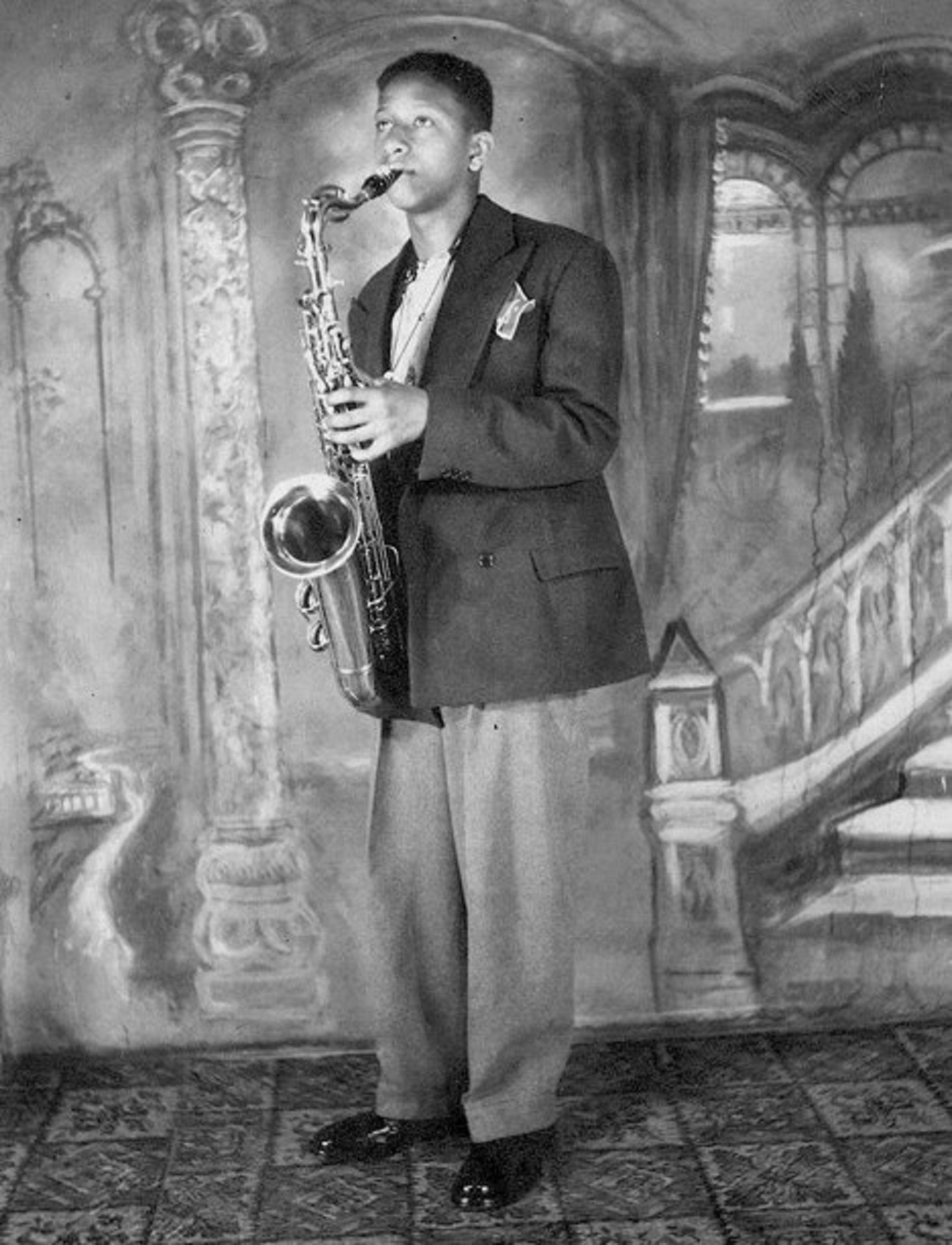
The late jazz saxophonist, Walter Theordore (Sonny) Rollins, was born Sept. 7, 1930, in Manhattan. He grew up in the Sugar Hill area of Harlem in a musically oriented family. His father was a clarinetist, and his two siblings played piano and violin. Rollins started piano lessons at 9 years old, and then began playing the saxophone when he was 11. He learned to play mostly on his own. During high school, he played jazz in a neighborhood band.
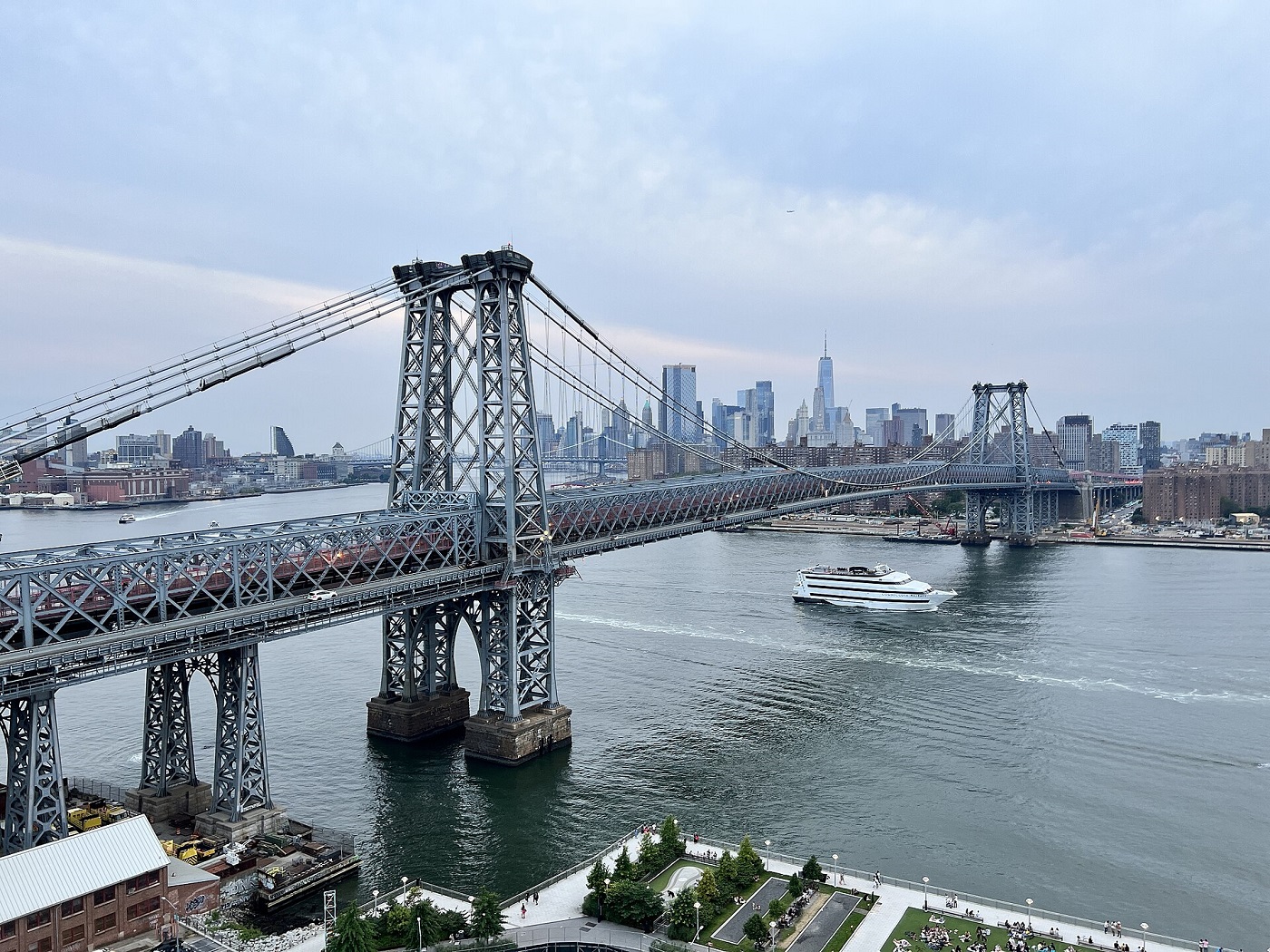
The Williamsburg Bridge opened in 1903. It crossed the East River, connecting Brooklyn to Manhattan. The bridge has two older siblings, the Brooklyn Bridge and the Manhattan Bridge. The Williamsburg Bridge featured the world’s longest span until 1924, when the Bear Mountain Bridge opened across the Hudson River to the north.
 Praneeth Thalla
In 1930s and 1940s Harlem, jazz music was popular and many of the nation’s most well-known artists and venues could be found there. As a young man, Sonny Rollins started focusing on playing the tenor saxophone. He achieved early success in the 1950s. His album Saxophone Collosus was issued in April 1957, to wide acclaim.
 sonnyrollins.com
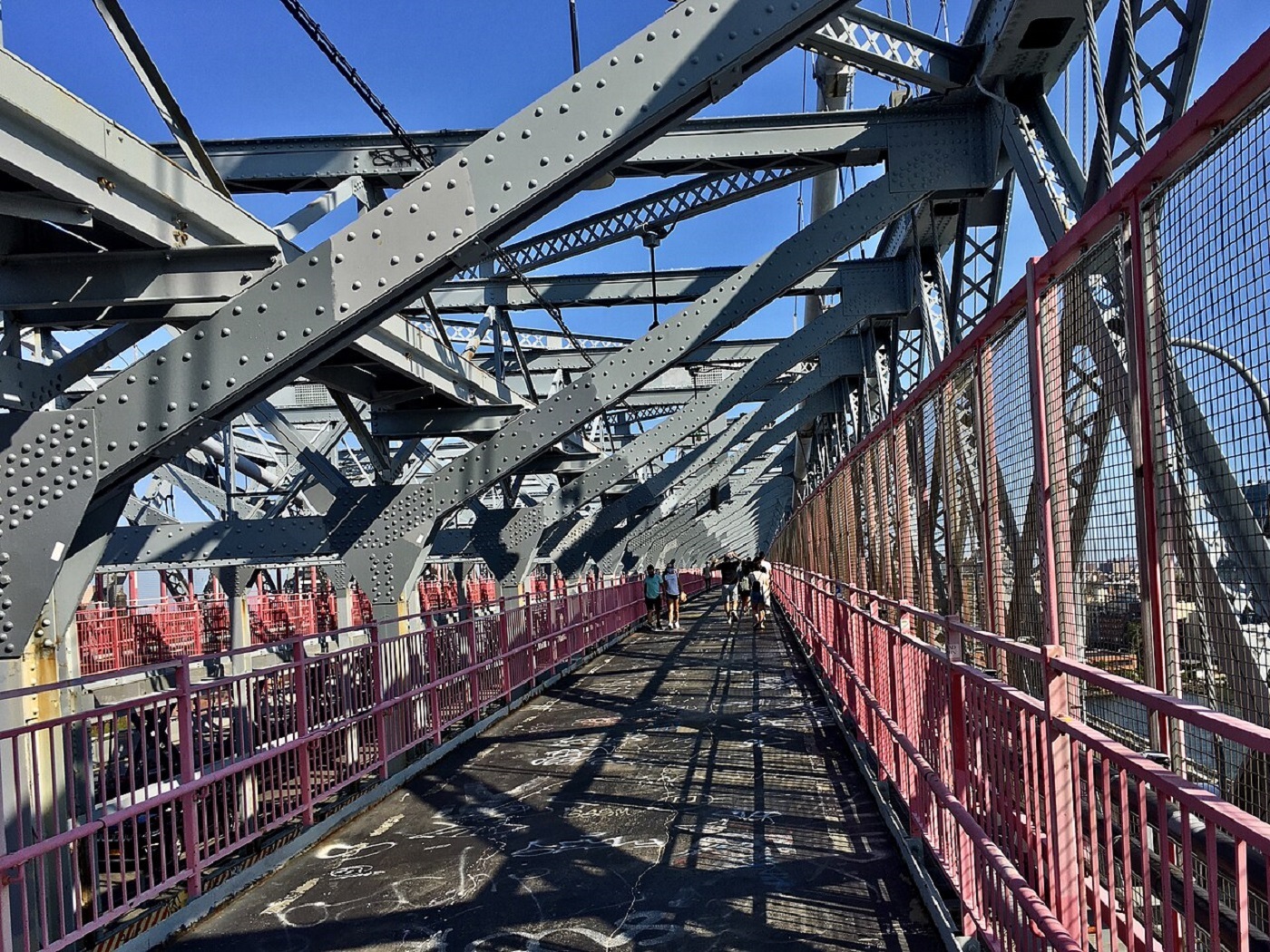
But as his career progressed, he began to doubt himself and his abilities. He decided to retreat for a while. He dropped out of public life to take a sabbatical in 1959. At this time, he practiced mostly alone to improve his technique and refine his performance. As a venue, he chose walkways on the Williamsburg Bridge, where he practiced mostly in solitude for over two years. Some days he played from dawn until dusk.
 Andre Carrotflower
The Williamsburg Bridge’s appearance is of an industrial, exposed structure. It is a tough-looking suspension bridge without the usual lightness and grace of that structural form. It is the type of bridge that you wouldn’t want to get into a fight with. That is, if bridges were alive and could get into fights.
In the 1950s, the banks of the East River were lined with busy wharves and factories. Even today, the surrounding area in Queens appears hardscrabble, not like the more gentrified, post-industrial landscapes near the Manhattan and Brooklin Bridges. Unlike the two bridge siblings, the Williamsburg Bridge’s back spans are not cable-supported but have bulky, steel-framed support piers. Deep, deck stiffening trusses help provide support for the originally-planned four train tracks. The bridge’s architecture, if not considered brutalism, could be described as “deep early 20th century industrial.” It is an attractive bridge, once you develop an eye for this appearance. Liking the Williamsburg Bridge is an acquired taste for many.
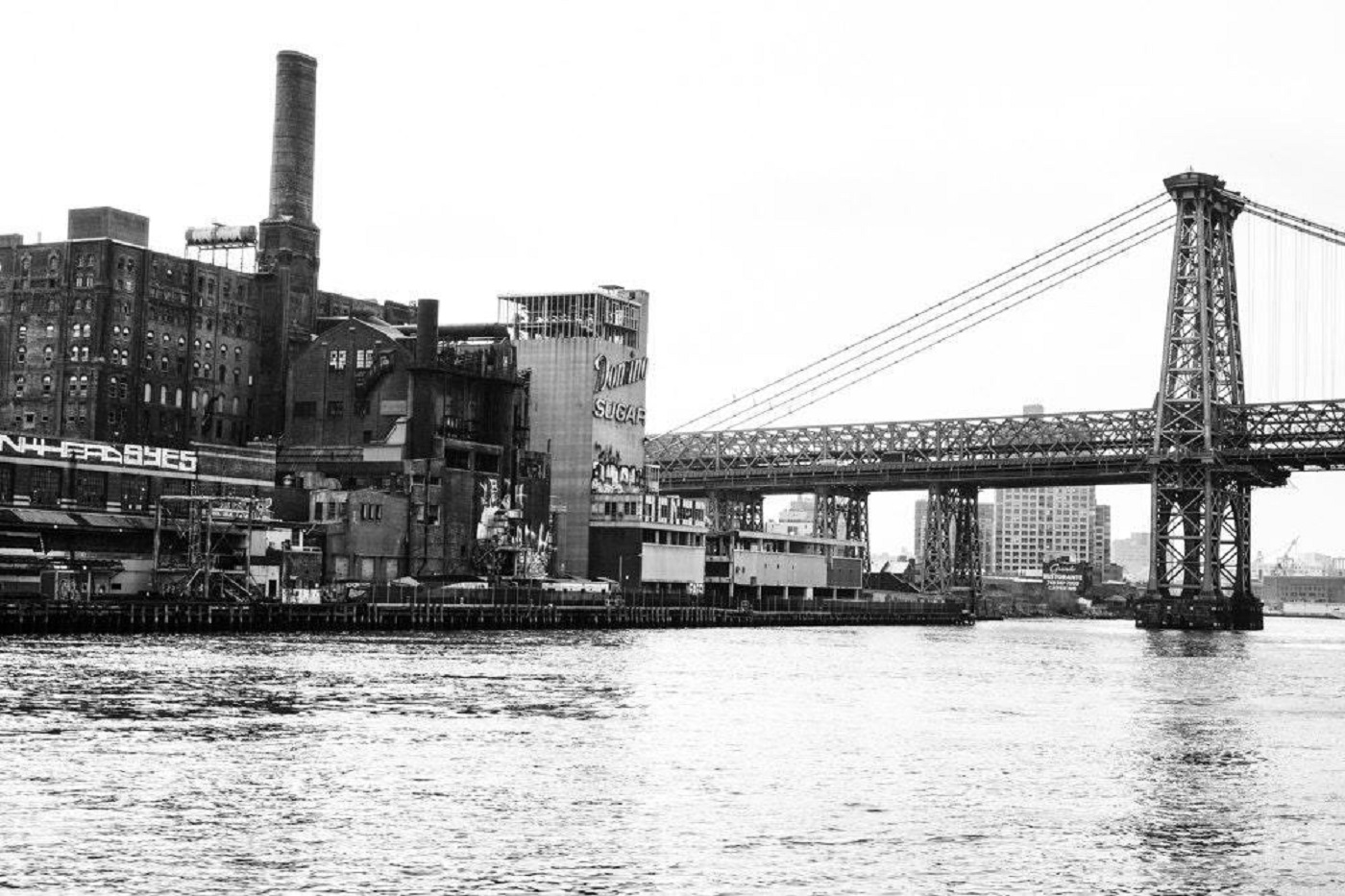
Rollins lived in a small, noisy apartment. For his sabbatical, he was looking for a place to reduce noise impacts to his neighbors from his practice. He found it on the deck of the Williamsburg Bridge.
What is it about the Williamsburg Bridge that would appeal to a jazz saxophonist?
The structure’s industrial look is sort of like the look of a saxophone, which is a very mechanical contraption, unlike, say, a violin. In the photo below, the Rollins’ saxophone almost looks like a beam on the bridge. Jazz saxophone music is twisty and non-conforming. The melody often goes off script, as an individual musical interpretation by the artist. Likewise, the Williamsburg Bridge has no affectation and does not try to conform or please anyone. It just crosses in its own way. For Rollins, the bridge deck provided open air and freedom, with no constraints. He described it being "close to the sky," finding the industrial views and the natural elements spiritual and clarifying for his art.
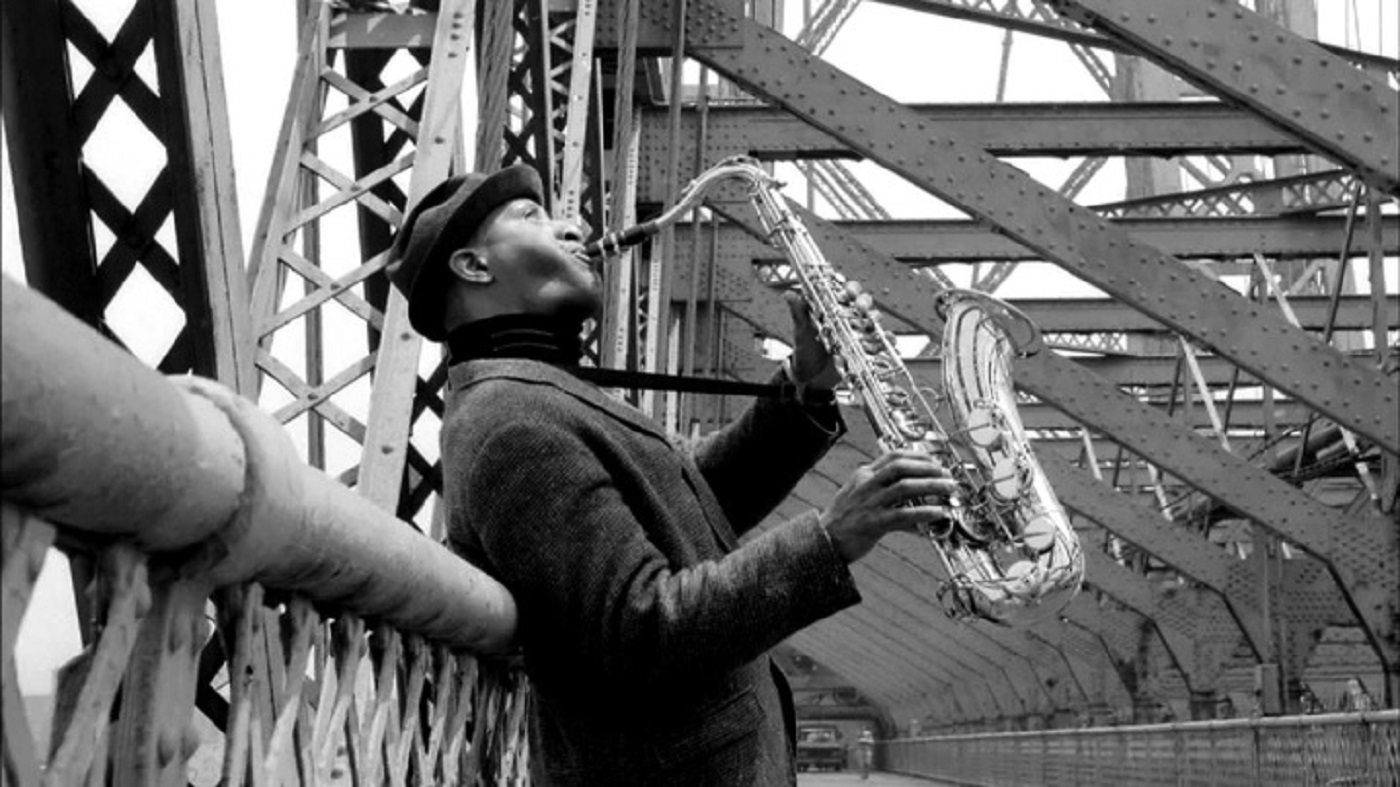
After Rollins completed his sabbatical, he compiled a new jazz album with an excellent name: The Bridge in 1962. The new album helped to establish Rollins as one of the great jazz saxophonists. His career continued for decades, with a total of over 60 albums.
There were many places Sonny Rollins could have gone to recharge his career, and more specifically, many bridges. The Williamsburg Bridge pedestrian walkway provided for him a unique environment. The 1903 structure is gritty and raw. The view is expansive and airy, but often gray. The colors and sounds require appreciation of nuance and shading. This is a little like listening to a jazz saxophone. Up on the pedestrian deck, you can imagine the wail of a saxophone on an approaching darkening November evening. The deck is windswept and exposed.
Sonny Rolins passed away on May 25, 2026. A petition has been circulated to rename the bridge after Rollins. Should you cross on the pedestrian walkway, wait for a brief lull in the background vehicular noise. The bridge vibrates and hums. It can sound like a crying saxophone.
References
“The Bridge (Sonny Rollins album)”
Accessed August 2026
“This Bridge Is for Saxophonists, and Other News” April 7 2017
Accessed August 2026
Accessed August 2026
“I was so close to the sky. It was spiritual’: Sonny Rollins on jazz landmark The Bridge at 60”
Accessed August 2026
Accessed August 2026
“Sonny Rollins Bridge Project”
Accessed August 2026