Distinguished Member's tour of Scottish landmarks celebrates civil engineering history
10/29/2026
2 MIN READ
Infrastructure is universal.
Across the globe, civil engineering landmarks provide critical functions to communities while also drawing in visitors for their unique designs. These landmarks represent the intersection of the built environment and the natural world.
Paul Giroux, Dist.M.ASCE, NAC, a professor of engineering practice at Purdue University, saw that beauty in Scotland’s civil engineering landmarks during his travels. When he was invited to give a lecture on the design and construction on the Forth Bridge in Edinburgh in 2025, he saw an opportunity to bring ASCE members along for a tour of the nation.
“I wanted the tour to appeal to everyone by visiting cultural, natural wonders, and civil engineering sites,” Giroux said. “I knew this would be a customized tour, but I also knew it would be worth the effort.
“From my own research and interest, I had developed a list of important civil engineering sites throughout the United Kingdom,” he said. “Since this tour focused on Scotland, I mapped out potential cultural sites, natural wonders, and civil engineering sites and then optimized each day of the tour to minimize travel time and maximize tour time. The tour was anchored by several ‘must see’ sites, and then I worked around those.”
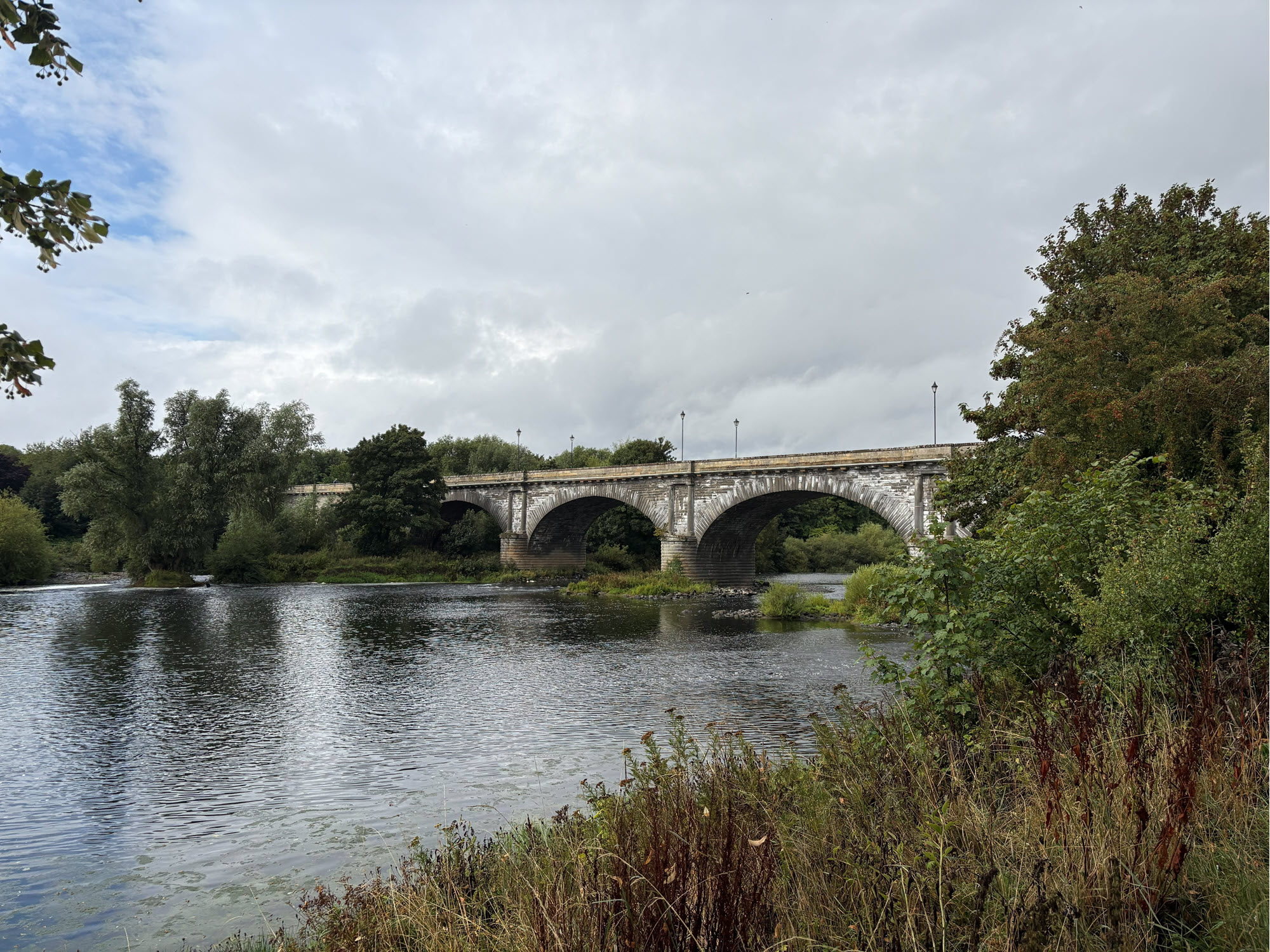
During the tour, the group visited landmarks designed by key civil engineers of the 18th and 19th centuries, including the centuries-old Kelso Bridge by John Rennie.
“Their work not only influenced the UK, these engineers and their mentees had significant influence on the American civil engineering profession,” said Giroux. “Visiting the sites provides a deeper understanding of the logistical and construction challenges; the creativity and resourcefulness of engineers becomes more evident.
“By understanding historical successes and failures we are better equipped to understand what is necessary to make modern structures endure,” he added. “Visiting these iconic structures enhances the pride we all have in civil engineering and provides inspiration for what we can collectively do make our works last for generations in the future.”
When planning the tour, Giroux had several goals: build camaraderie among ASCE members, enhance ties with ASCE’s sister society in the UK, the Institution of Civil Engineers, strike a balance between cultural and civil engineering landmarks, attend the Royal Edinburgh Military Tattoo, and keep the price reasonable.
The trip proved to be a huge success. Travelers enjoyed seeing the landmarks, learning about civil engineering history, and enjoying Scotland’s culture. It also raised some revenue, which Giroux donated to the ASCE Foundation to support the Society’s focus on civil engineering history.
“The ASCE Foundation will designate these funds for the ongoing efforts of the ASCE History and Heritage Committee,” he said.
Giroux and his travel group took plenty of photos throughout the tour. Below is a gallery of Scottish civil engineering landmarks to explore.
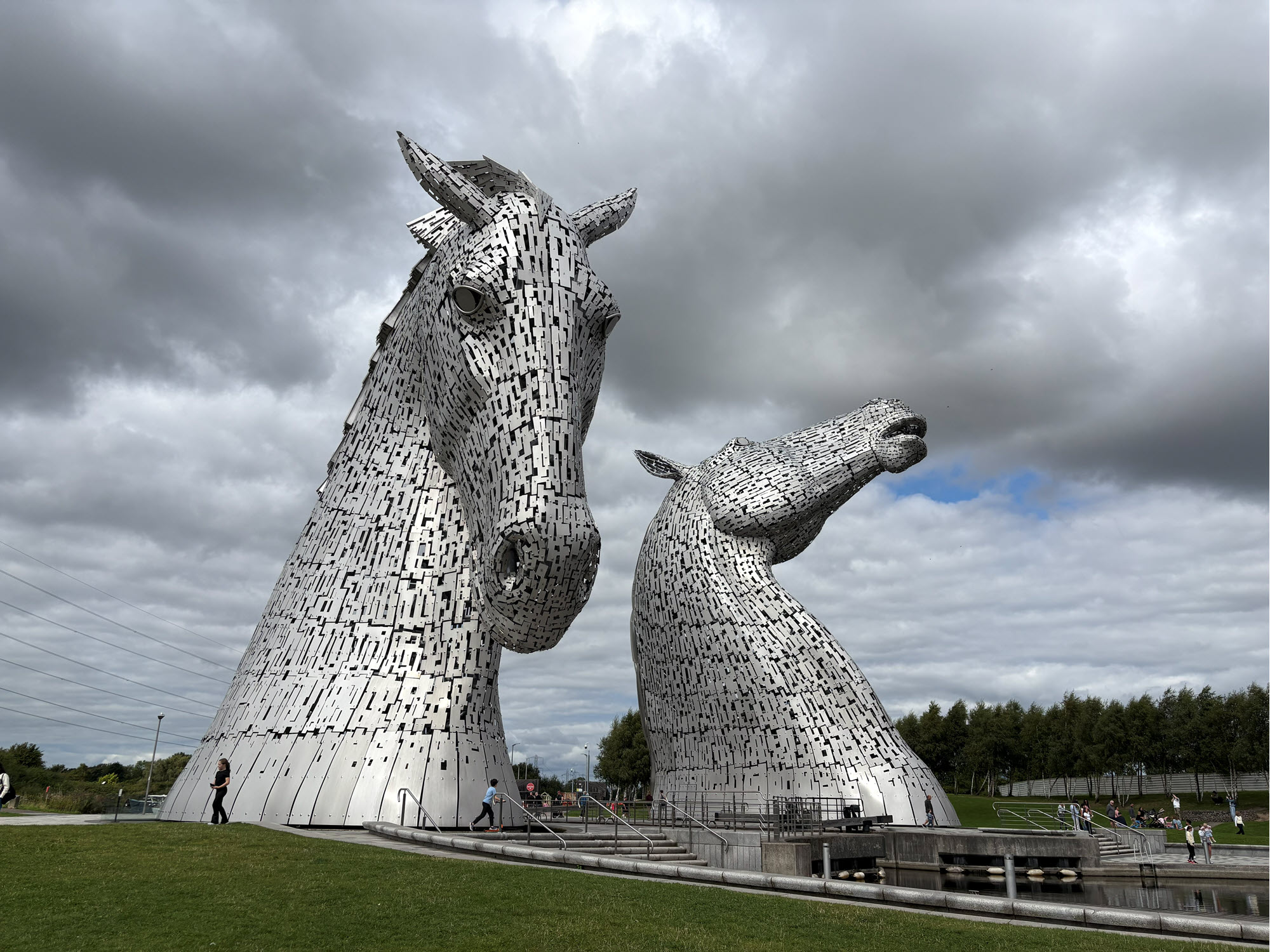
Giroux: Towering a hundred feet above the landscape, the Kelpies stand as a striking tribute to Scotland's industrial heritage. Completed in 2014, the Kelpies masterfully blend art, engineering, and myth into one unforgettable landmark. The twin Kelpies straddle one of the locks on the Forth and Clyde Canal. Just minutes after visiting the Kelpies, ASCE travelers enjoyed a short voyage on the Falkirk Wheel serving the Union Canal.
Giroux: Perched on the shores of Loch Ness, the dramatic ruins of Urquhart Castle have watched over Scotland's most famous loch since the 13th century. Unfortunately, ASCE travelers did not see ‘Nessie,’ yet were rewarded with breathtaking views steeped in history and legend.
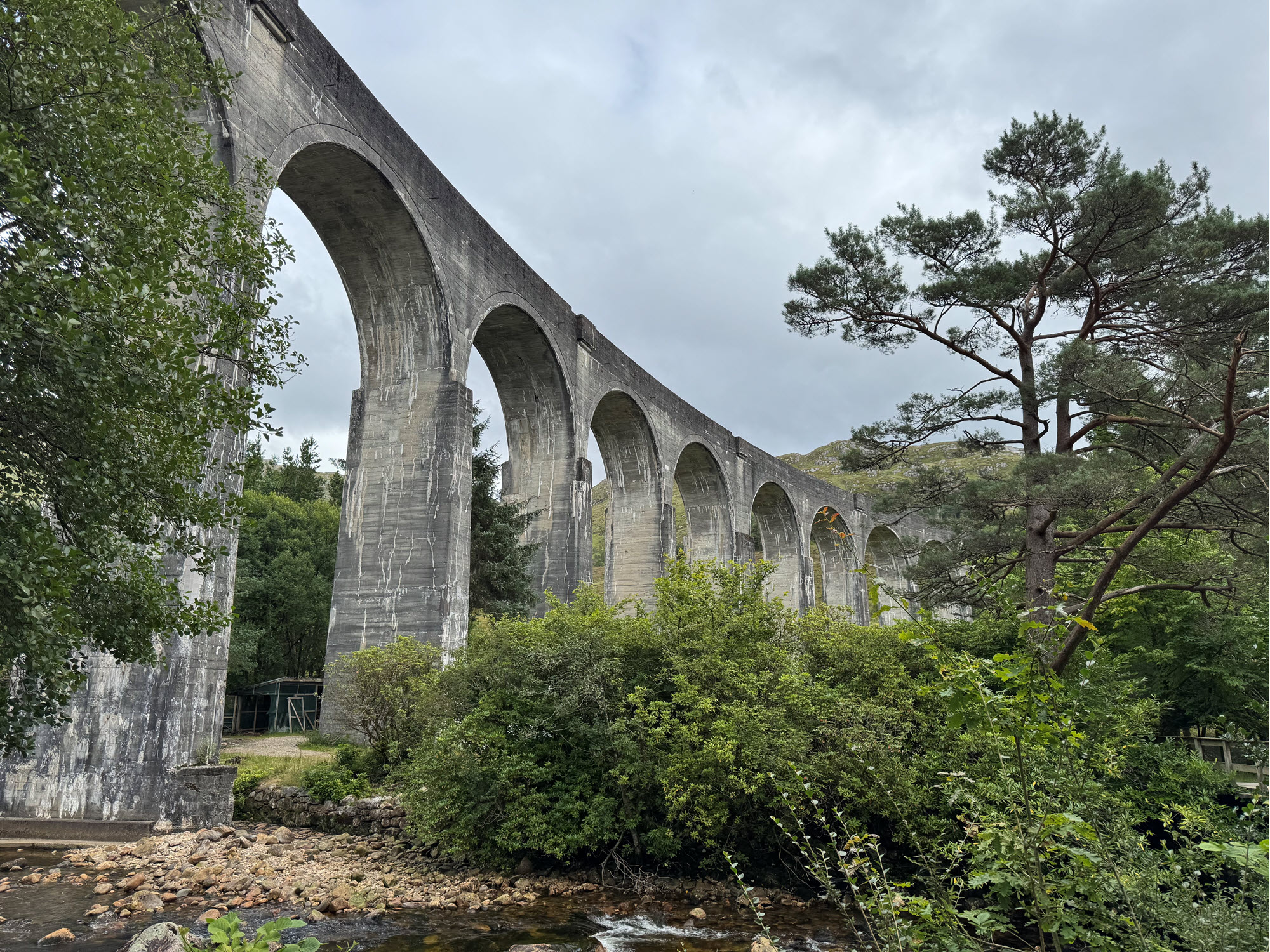
Giroux: Built in 1901, The Glenfinnan Viaduct in the Scottish Highlands is a great example of a structure with cultural and civil engineering significance. After appearing in four Harry Potter movies, it is now a popular cultural attraction in the region, and civil engineers love it too. The 1,364 ft long, 21-arch rail structure is the longest concrete railway bridge in Scotland.
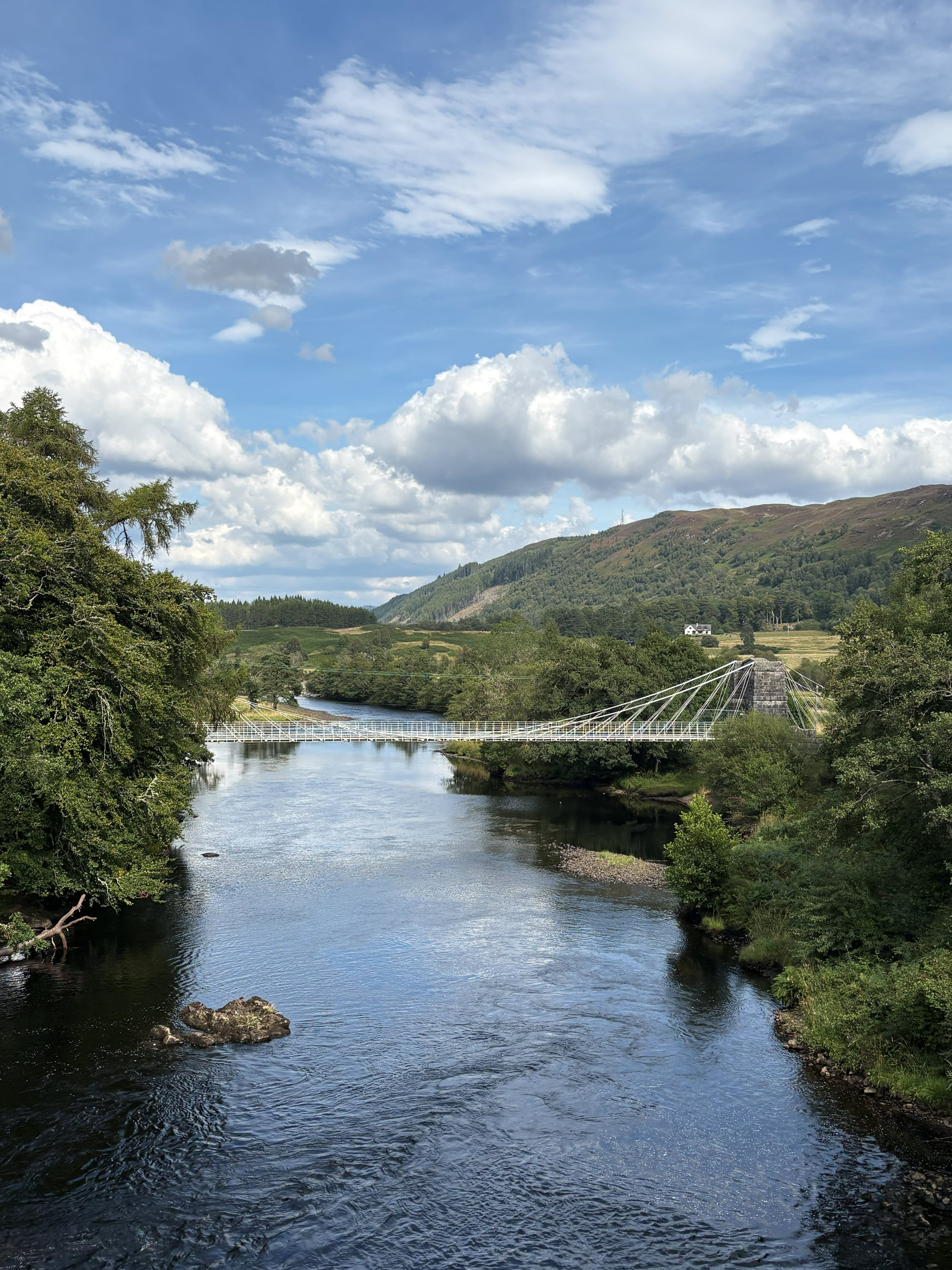
Giroux: Recognized as an International Historic Civil Engineering Landmark, the Union Chain Bridge was a group favorite. Opened in 1820, Capt. Samuel Brown’s Union Chain Bridge was the world's longest wrought-iron suspension bridge of its time, spanning 449 feet across the River Tweed. It links England and Scotland through pioneering engineering.
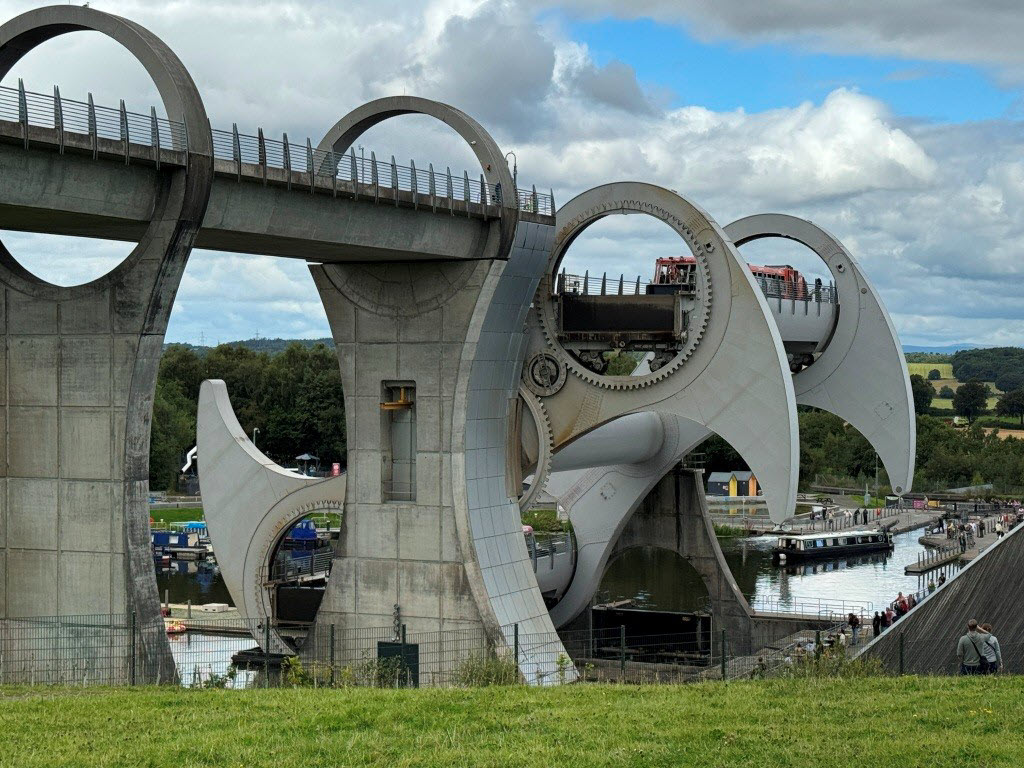
Giroux: ASCE travelers enjoyed a short voyage on the Falkirk Wheel, which lifts canal boats 115 feet between the Forth and Clyde Canal and the Union Canal. Opened in 2002, the Falkirk Wheel combines cutting-edge engineering with Scotland's rich industrial heritage, connecting two centuries-old canals.
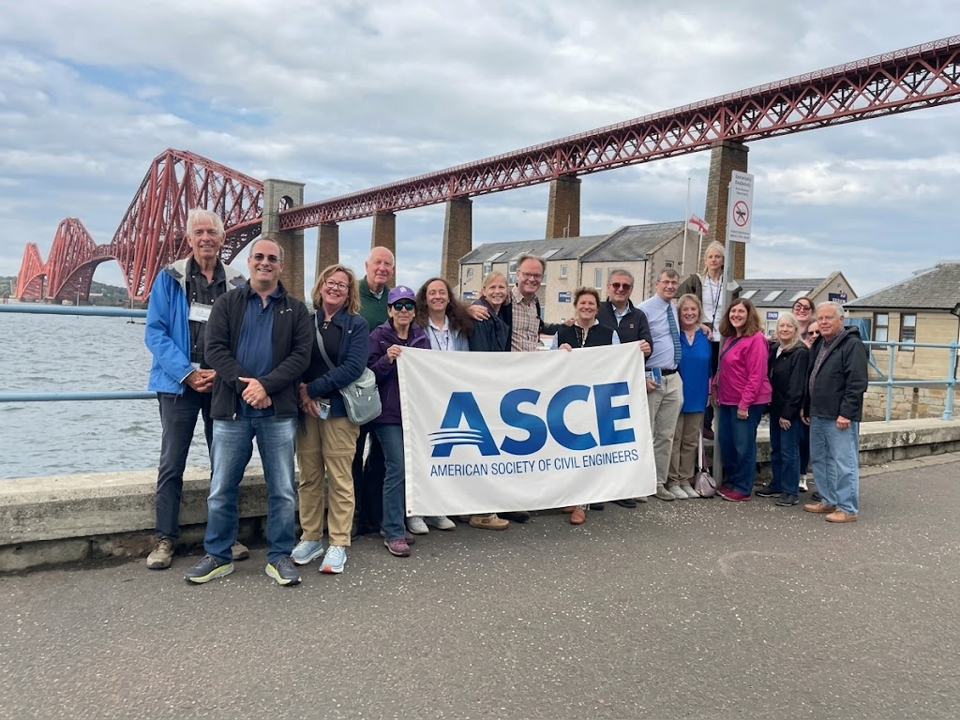
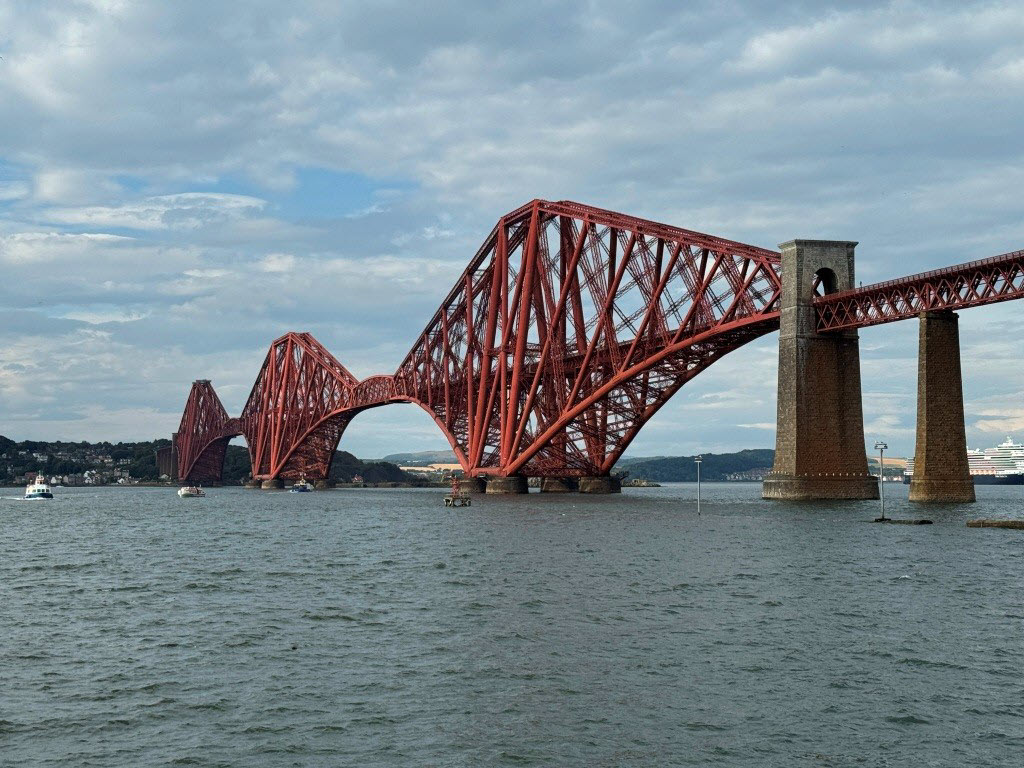
Giroux: After viewing a lecture on the Forth Bridge by Prof. Paul Giroux ASCE travelers visited Scotland’s Forth Bridge. Recognized as an International Historic Civil Engineering Landmark, the record-breaking steel cantilever is a masterpiece of Victorian engineering and one of Scotland's most iconic landmarks. Its distinctive red cantilever design spans the Firth of Forth.
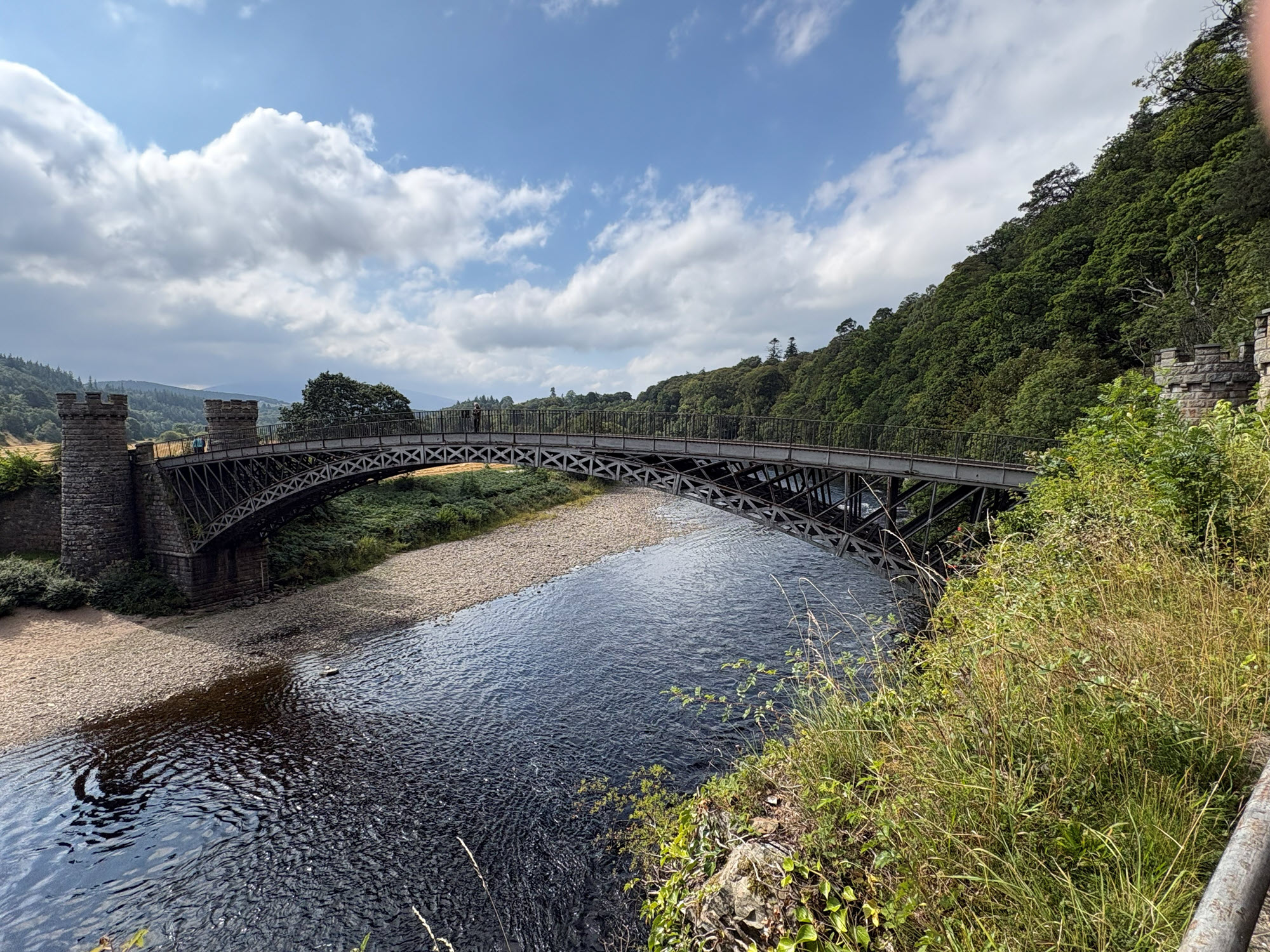
Giroux: Completed in 1814, Sir Thomas Telford’s Craigellachie Bridge spans the River Spey with a graceful cast-iron arch, marking a milestone in the development of modern bridge engineering. It is recognized as an International Historic Civil Engineering Landmark. Later in the day, ASCE travelers enjoyed a tour of one of Speyside’s fifty renowned single-malt Scotch whisky distilleries.
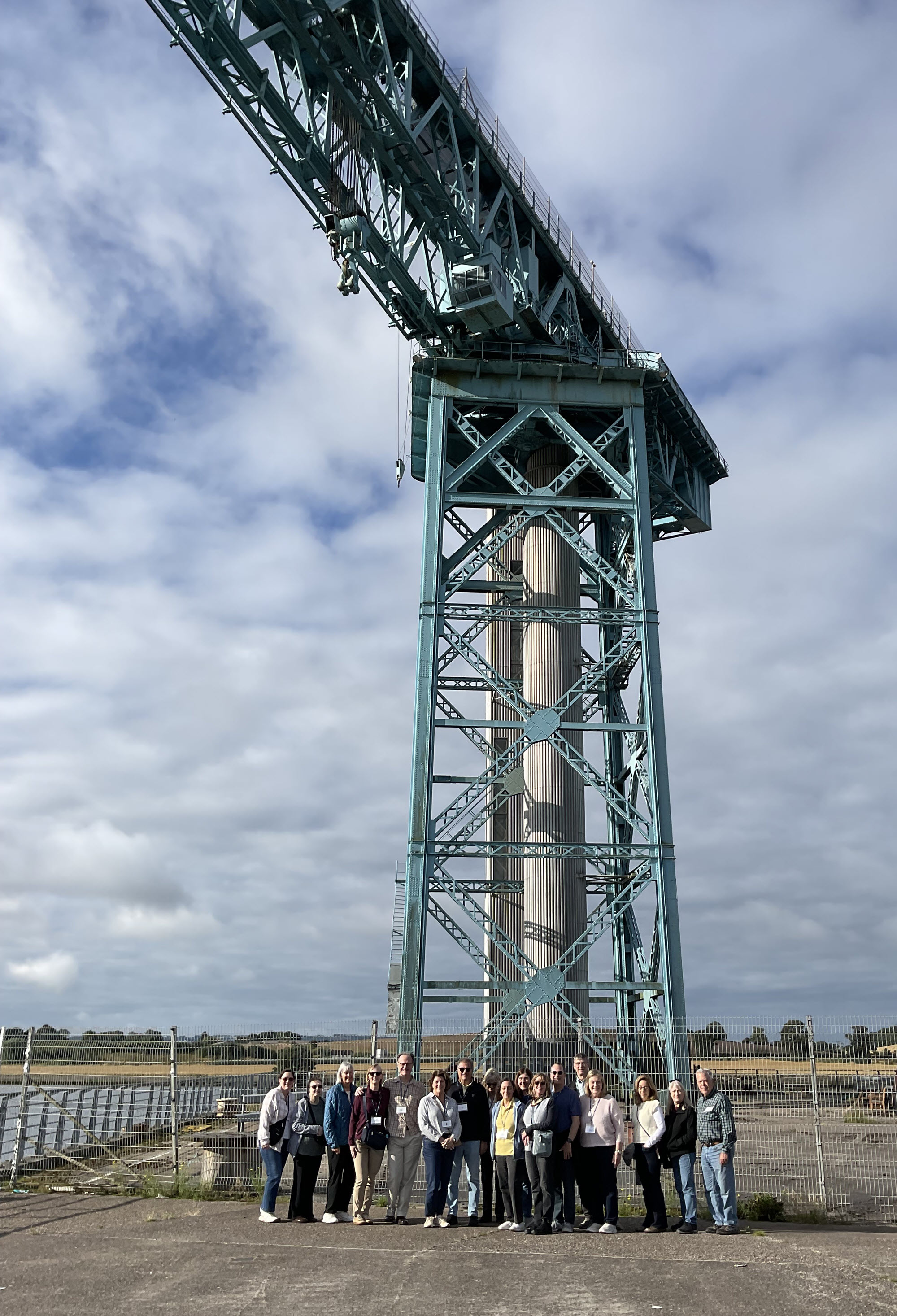
Giroux: Standing proudly on the banks of the River Clyde, the Titan Crane is a towering reminder of Glasgow's shipbuilding heritage and the engineering achievements that helped shape the modern world. It was built in 1907 and is Recognized as an International Historic Civil Engineering Landmark. The Titan Crane was the first electrically powered cantilever crane in the world with a 160-ton capacity to lift heavy engines and boilers into legendary ships, such as the RMS Queen Mary and QE2.
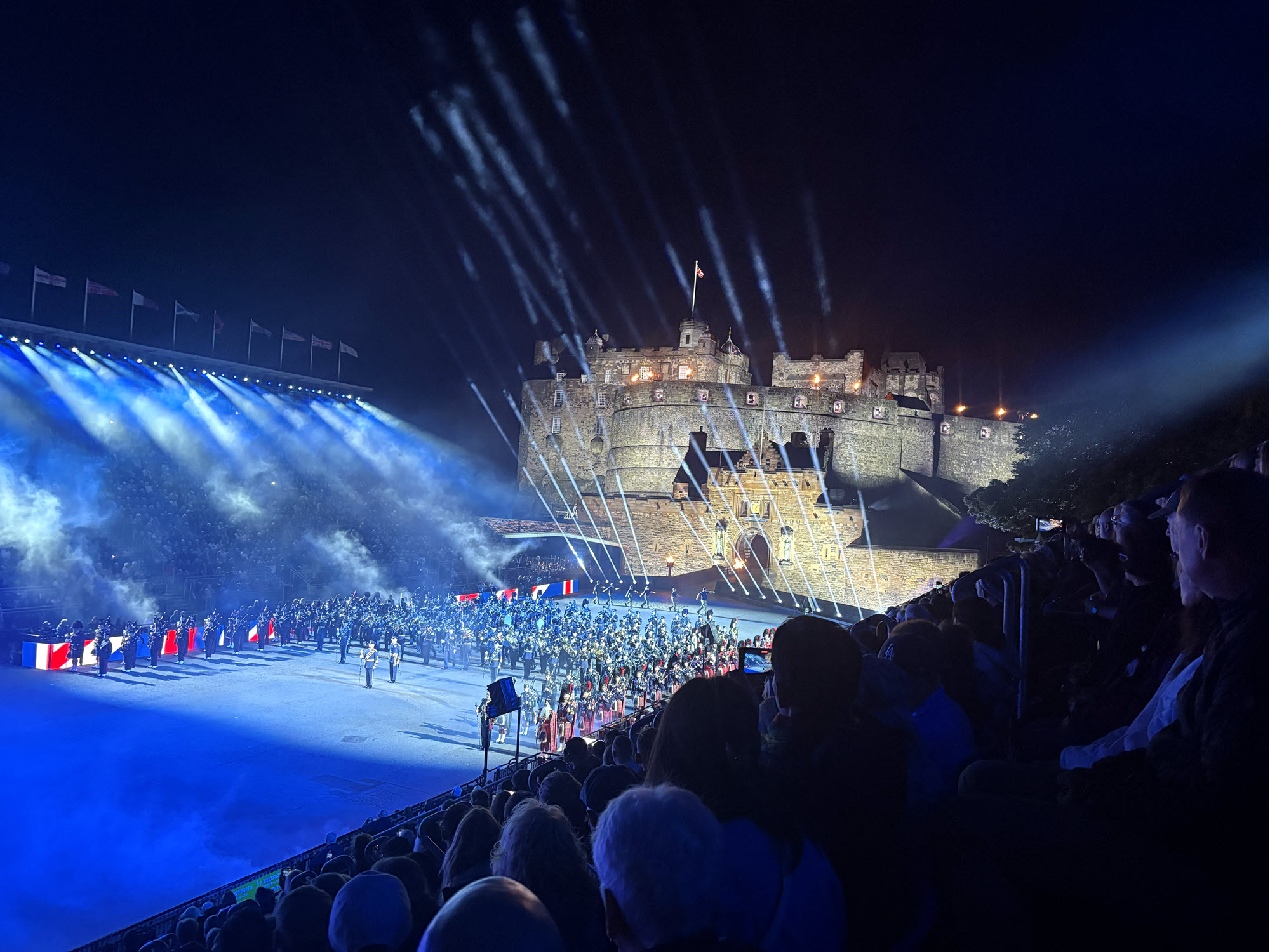
Giroux: ASCE travelers enjoyed great seats for the last show of the 2026 Royal Edinburgh Military Tattoo. Set against the floodlit backdrop of Edinburgh Castle, the event brings together music, precision, and pageantry in one of Scotland's most spectacular cultural traditions.
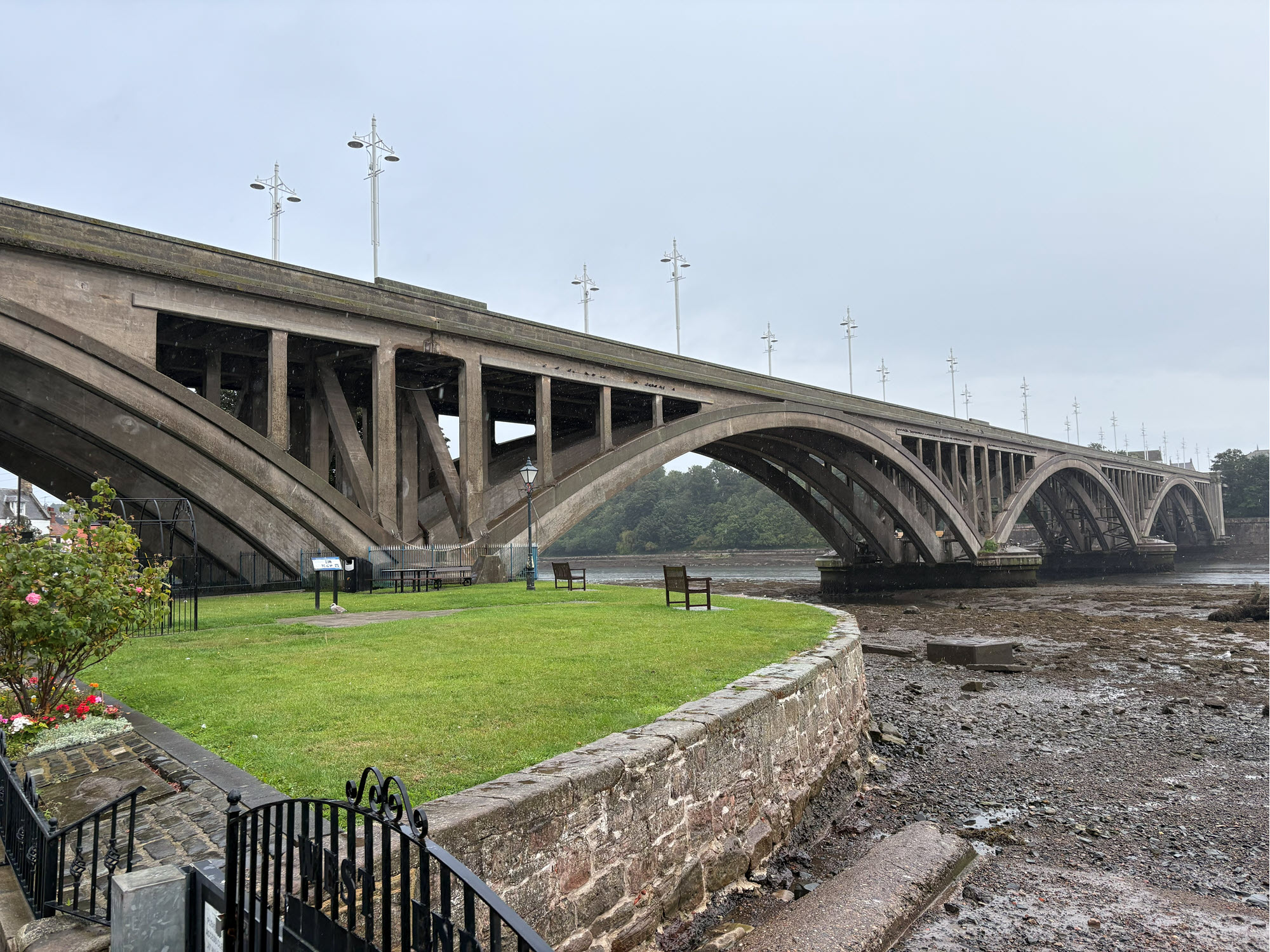
Giroux: On the last day of the tour, ASCE travelers visited six notable bridges in Southern Scotland. Opened in 1928, the Royal Tweed Bridge spans the River Tweed at Berwick-upon-Tweed. Designed by pioneers in "ferro-concrete," it represents a monumental leap in material science, arriving at a time when engineers were exploring the structural limits of steel-reinforced concrete for heavy national infrastructure.
Giroux: For more than two centuries, Kelso Bridge has carried travelers across the River Tweed. It stands as a testament to the engineering skill of Sir John Rennie.