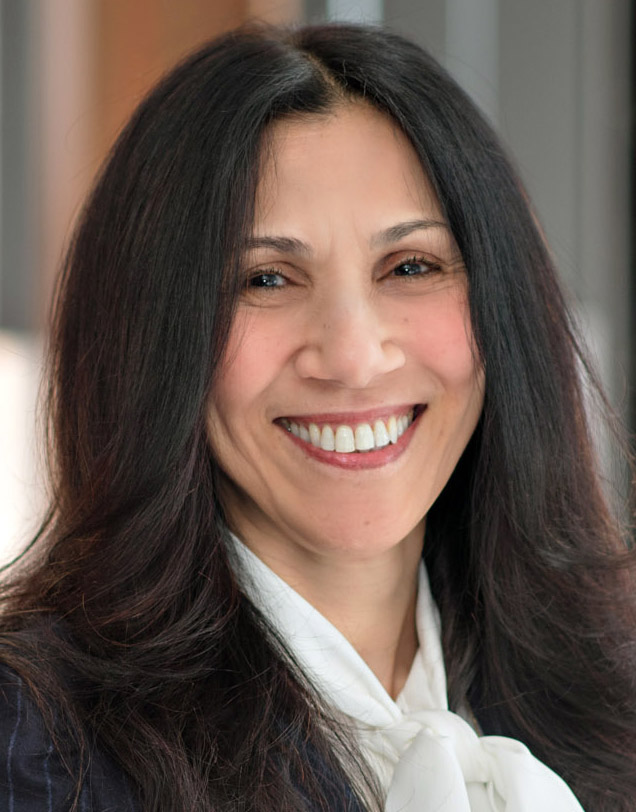
View from the C-suite is a monthly interview series with leaders in the civil engineering industry, designed to provide peers with insight into advancing their careers. This month’s installment features Hala Titus, P.E., BCEE, M.ASCE, CDM Smith’s North America unit president. She is based in Concord, California.
Civil Engineering Source: What is your favorite aspect of leadership?
Hala Titus: Developing talent. Leadership, by definition, is leading a team from point A to B. You have to promote inclusivity, engagement, teamwork, get your team’s commitment to a shared vision, and continuously elevate its capacity and performance. In order to do that, you have to work on their technical, people, communication, and emotional intelligence skills. It’s most enjoyable to me because I get to see the team grow in performance and what we can deliver to clients.
Further reading:
- Industry leader says civil engineers must speak up when they see problems
- Civil engineering executive: Cohesive teams, strong relationships breed success
- Young civil engineers should not fear taking chances, veteran leader advises
Source: How did you learn to embody the values that you have in your leadership practice?
HT: Decades of hard work, commitment, and perseverance. I give credit to the mentors I have had the good fortune in my career to have. I give credit to peers I’ve worked with, as we’ve leveraged one another for success. I give credit to my team. I mentor quite a few young team members across our company, those in engineering but also in human resources and marketing. It’s rewarding, yes, but mentorship also gives back. It’s amazing how much you also can learn when you teach someone.
Source: Can you share your favorite project?
HT: One of my favorite experiences was when I was still a project manager, about 20 years ago. I was the project manager for a water quality and movement project for Echo Park Lake in Los Angeles. It’s a critically important asset for the city.
The project was to rehabilitate the lake because it was on the Environmental Protection Agency’s Clean Water Act 303(d) list for impaired water bodies. The reason it was a favorite project is because usually my projects were inside treatment plants or underground or in collection systems … out of sight, out of mind. Closing the lake in order to do the work we needed to do impacted the community significantly because it was one of the few recreation spots the city could enjoy.
People were involved in planning meetings and voiced their opinions, and there was celebration when it reopened, and so I could see right away how big the impact was on the community.
Source: What is one of your career regrets, and what did you learn from it?
HT: I learned a lot of lessons, and I don’t have regrets. One of the important lessons I learned is that you have your own brand to control. It’s how you present yourself. It’s how you do your work, how you interact with colleagues and clients. It’s who you are, and you have to take this seriously.
The second lesson I learned is you get out of everything what you put into it. The third lesson is industry related: What we do is very rewarding and very important, so take pride in the industry. Civil engineering is the heart and soul of civilization.
Source: What is your time management philosophy?
HT: I manage my time by focusing on what’s important and where I can add value. As I’ve reached higher in my organization and as my responsibilities have expanded, I’ve learned to bring my team in and to delegate the tasks I don’t have time to do.
I haven’t always been good at delegating, and so I’ve learned to communicate needs and teach my team how to do things so I can focus my attention on the places that I, specifically, add the most value.
Source: Where do you see the field in five years?

HT: I am an optimist and see that we have a lot of work to do in the next five years. Civil engineering is thriving, and more young people are entering the profession. There are two limitations to our work, though: funding and workforce.
According to the 2025 Report Card for America’s Infrastructure, we face a $3.6 trillion investment gap (over the next 10 years). … I think artificial intelligence will help bridge this gap despite shortages in funding and skilled professionals.
We have the opportunity to use AI to leverage our critical thinking, individual talents, and skills to improve on the work that’s already happening across the country.