
By Jens Møller-Madsen, Ph.D.
I wish I’d known earlier in my career that engineers should not confuse technical mastery with wisdom. There are several lessons I’ve learned from that realization.
First, logic is powerful, but it’s not the only thing you need. Civil engineering is not only about equations and designs — it is about people, communities, and futures.
Second, perfectionism is a trap. Striving to be flawless can blind us to what is good, meaningful, and possible.
Third, the humanities matter. Philosophy, psychology, and leadership give us lenses that engineering alone cannot.
Finally, we must ask better questions. Instead of only “Can we build it?” we must also ask “Should we?” and “For whom?”
Although I had spent much of my career in academia, the concepts mentioned above helped me accept that my place was not inside the narrow walls of a university. So, I packed my bag, walked out, and decided to start over with a highly technical engineering practice.
That decision was both frightening and liberating because it also helped me to recognize that my true gift wasn’t just on the technical side of engineering.
Instead, what I do best, and what I now embrace, is being the person who translates technical knowledge into something clients can better understand, that colleagues can apply, and that decision-makers can act on.
In my current work, I take the immensely complex field of wind engineering and translate it into practical, quotable insights. I help turn the measurements and effects of complex flow phenomena into a clear path forward for real-world structures.
Today, I remain proud of my training as an engineer. It taught me rigor, problem-solving, and persistence. But I am just as grateful for the mistake I made in over-identifying with that role. Because that mistake taught me something engineering alone could not: that to be whole, to be effective, to be wise, we must integrate the technical with the human.
I strongly believe there is more to the world than what meets the eyes of an engineer. If sharing my mistakes spares even one young engineer from narrowing themselves too tightly, then it will have been worth writing down these thoughts.
In civil engineering, we know what it means to build literal bridges — structures that connect people and places. My role today is to build the figurative bridge between knowledge and society. And that is where I now see the heart of my contribution.
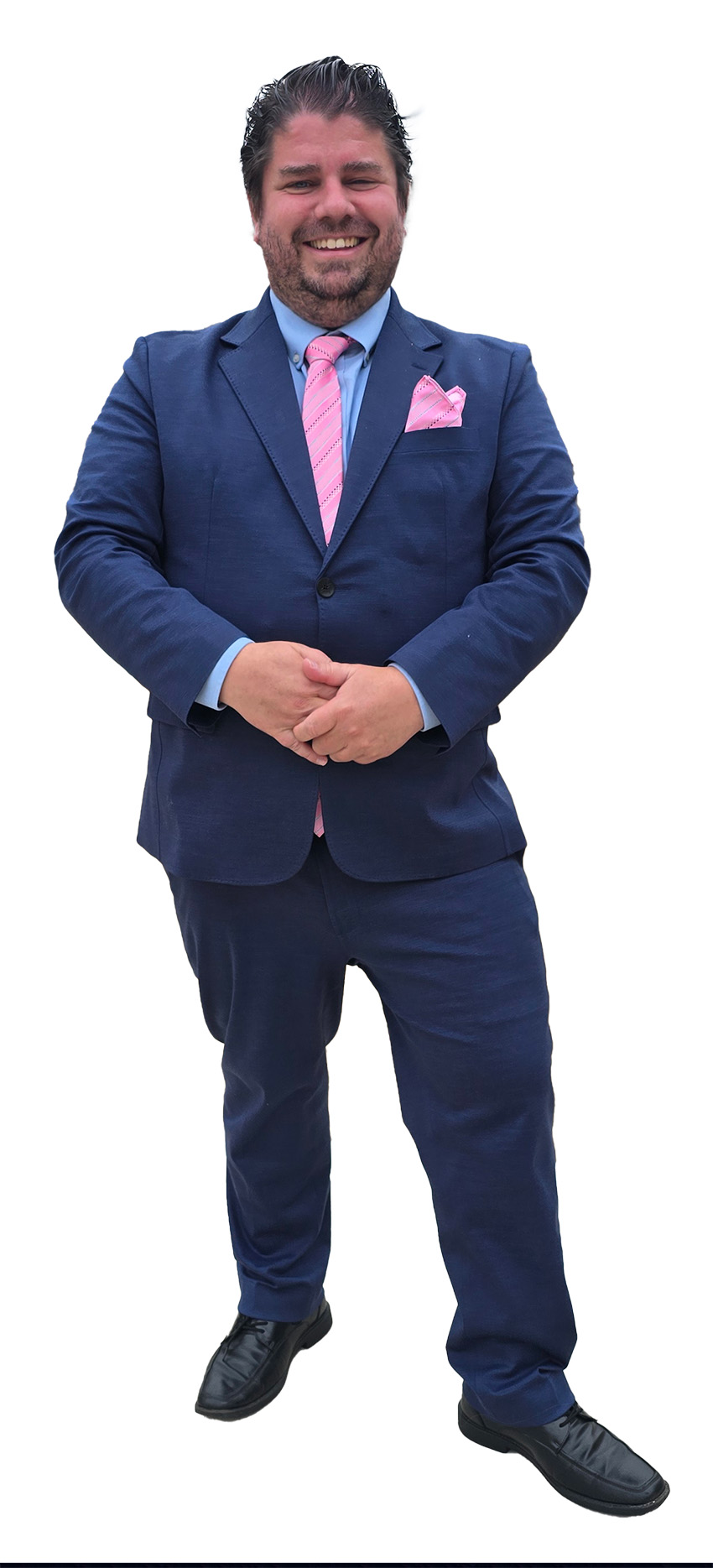
Jens Møller-Madsen, Ph.D., is the director of sales for SOH Wind Engineering LLC.
This article first appeared in the March/April 2026 issue of Civil Engineering as “Wish I'd Known.”
