
By Rupert R. Thomas Sr., MD, M.ASCE
I wish I’d known earlier which career path would be the most fulfilling for me. The course I followed has been anything but linear, beginning with an early interest in art and pointing toward architecture, but ultimately leading me into engineering. In high school, I designed and built a tile-making machine — an early indication of my inclination toward practical applications.
My undergraduate education in Jamaica provided broad exposure to all phases of engineering, combining academic rigor with hands-on workshop training. I later earned a master’s degree in electrical engineering from the New Jersey Institute of Technology.
After working as an engineer for the city of Newark, New Jersey, I realized that a traditional engineering career was not for me. Instead, I chose to follow a path that eventually led me into medicine.
I then spent 30 years practicing obstetrics and gynecology. That specialty’s combination of technology, surgery, ultrasound, lasers, and direct patient care fulfilled many of my engineering interests while allowing me to work closely with patients.
Throughout my years in medical practice, I continued designing, developing, and refining engineering ideas. Many of those ideas eventually led to patented inventions, allowing me to integrate engineering innovation with my medical career.
I also remained connected to engineering through a mobile specialty concrete company that I owned. This combination of careers led me once to explain: “I deliver babies — and I deliver concrete.”
That moment reflects a consistent thread in my work life: my commitment to practical applications and an understanding of how timing influences results.
At Teracells, a company I founded and where I now primarily work, we develop engineering technologies from transportation infrastructure to floodwater management systems and renewable-energy bridge technologies.
In all my endeavors, whether engineering, medicine, or applied work, a common theme has emerged: for many dynamic engineering systems, there is an underrecognized window of opportunity at the start of a problem during which a timely engineering response can improve the outcome.
Timeliness is the central engineering principle behind my work. But this window of opportunity does not last long — perhaps only milliseconds, as in the case of a vehicle trying to brake on black ice.
Looking back, there was a clear crossroads early in my career when I chose between a safe, predictable path and taking risks with the potential for greater fulfillment.
If I had known then which path was best for me, the decision might have been easier. But there was no certainty at the time. I chose the riskier route, and I am grateful that it proved to be the right path for me.
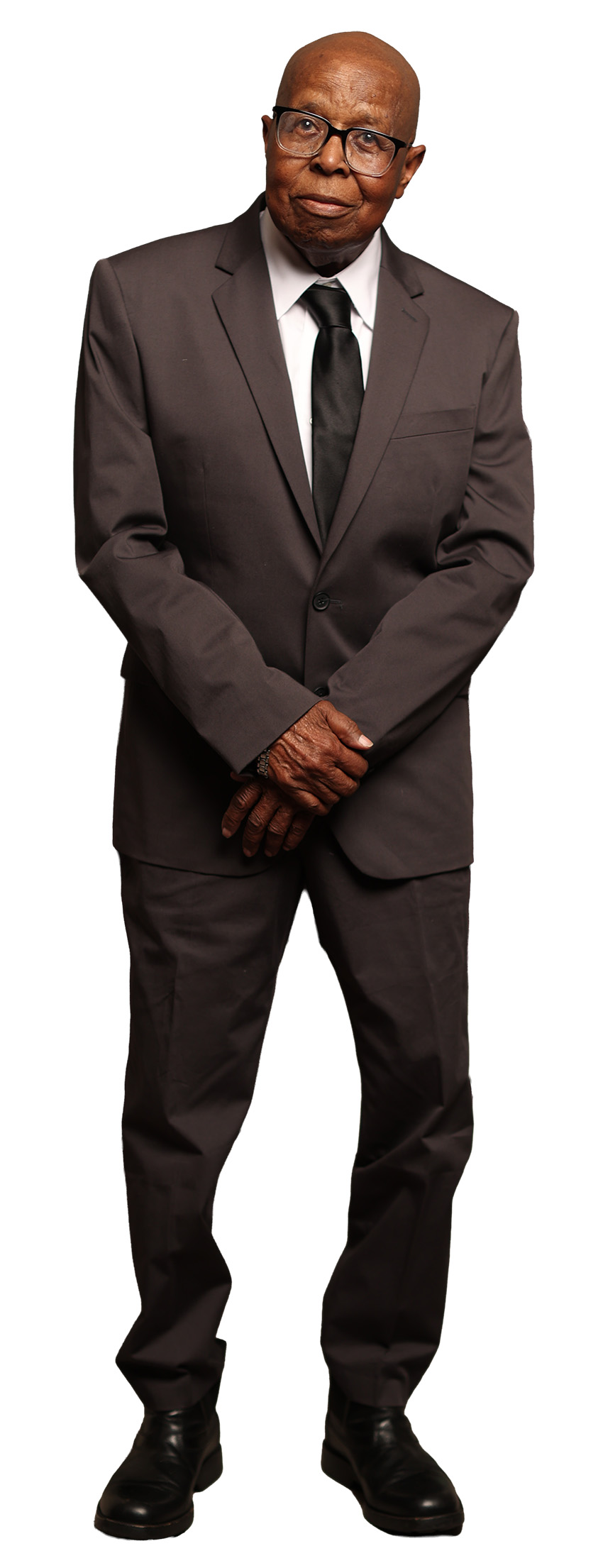
Rupert R. Thomas Sr., MD, M.ASCE, is the founder and president of Teracells.
This article first appeared in the September/October 2026 issue of Civil Engineering as “Wish I’d Known.”
