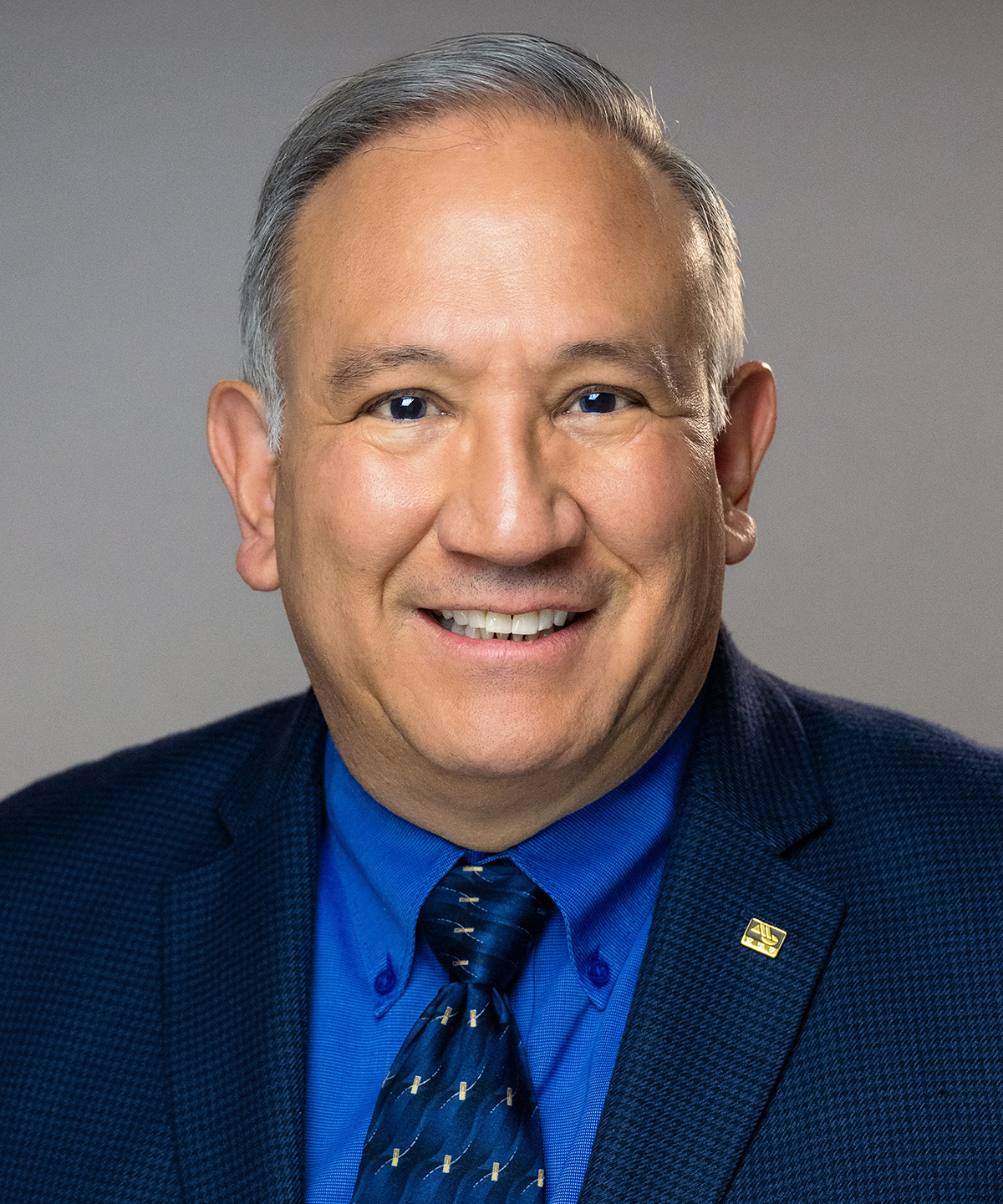
View from the C-suite is a monthly interview series with leaders in the civil engineering industry, designed to provide peers with insight into advancing their careers. This month’s installment features Jerry Paz, P.E., M.ASCE, chief operations officer at Molzen Corbin in Las Cruces, New Mexico. He also is a former member of the ASCE Board of Direction and Region 6 governor.
Civil Engineering Source: What are your favorite aspects of leadership?
Jerry Paz: My favorite aspects of leadership are that it takes on many forms and there are leadership opportunities at every level of the civil engineering profession. All civil engineers can exercise leadership in their own way, whether being the inspiring leader that gels teams together or one that is more technically inclined with less desire to be the “face” of a project.
Further reading:
- Civil engineering leader says running solo practice offers work-life balance, efficiency
- Civil engineering executive says workplace culture is key to growing your firm
- New ASCE report shows civil engineering salaries up an average $9,000
People with ingenuity and the ability to develop robust designs, as well as mentor younger colleagues, are often our better leaders; they’re the ones quietly leading project teams, guiding, and delivering.
Source: Is that how you rose into your current position – by stepping into leadership roles at each stage of your career?
JP: Years ago, I was asked to lead our branch office in Las Cruces, New Mexico. I didn’t feel prepared and I didn’t feel I had the financial or business sense to lead an office, but I was provided with support from administrative assistants and those who would pick up the slack in the areas I wasn’t as proficient in. If you build on the skills that you have, your leadership will come out in your practice.
Source: Can you share your greatest career accomplishment?
JP: I’ve had a very diverse career. I started off in stormwater, then I moved to water and wastewater, and then I moved to transportation. I have a lot of accomplishments, but the most fulfilling part of my career has been seeing the faces of my neighbors and knowing that I enhanced their quality of life by improving their transportation systems or bringing them clean water.
Source: What is one of your career regrets? And what did you learn from it?
JP: In my 43-year practice, most of my regrets revolve around designing infrastructure that was not as resilient, as robust, as it could have been because of a lack of funding. What I learned from that over time is to not make tradeoffs, but to work with clients to find funding to complete projects right the first time.
 Molzen Corbin
 Molzen Corbin has grant writers – I was a grant writer and engineer when I started – who help clients find funding for projects so that we can make these projects the most robust and sustainable that they can be. Or we break up projects into phases so that each phase is independent and serves a function, and when it all comes together at the end, projects meet clients’ very long-term needs as well as their budget constraints.
Source: What three nontechnical skills should every civil engineer cultivate in their practices?
JP: Three elements it takes to survive in the consulting engineering business are as follows: One is getting work, which requires marketing, and marketing involves public speaking. It requires writing; it requires networking. Those (communication) skills are important to get work.
The second skill we need is to perform the work well. That’s what we go to school to learn to do, but civil engineers must do it in a written format (plans, specifications, reports), in a timely manner, and get it done right the first time.
The third element is to make money. But it’s not all about the profit. I look at the profit at the end of a project as a score sheet. If we perform the task well and we do it right the first time, we’re going to be successful (referrals, repeat work, bigger projects) and profitable.
Source: What is your time management philosophy?
JP: I’ve taken time-management classes and tried to adopt principles I learned in those classes, but what has worked best for me is to know myself. I would say: Get to know your strengths so you can carve out time within the day to think and do long-term planning. If you’re a morning person, get to the office early and tackle those important tasks. If you’re a night owl, then stay late and do the same.
At Molzen Corbin, not everyone shows up at 8 a.m. Some stay late in the evening because that’s when they have peace, quiet, and the ability to think and plan.