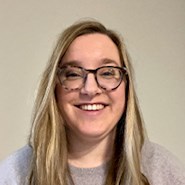
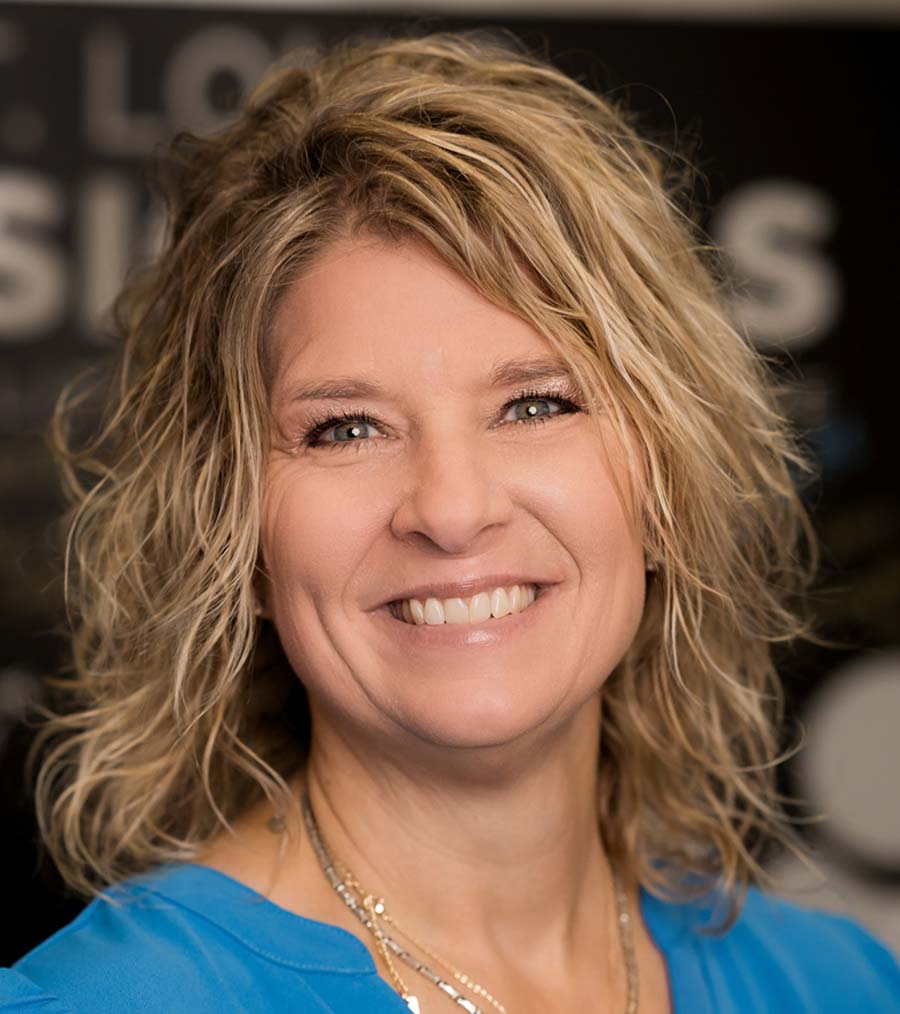
ASCE’s Civil Engineering Source kicks off a new series, View from the C-suite. These interviews with leaders in the civil engineering industry are designed to provide insight to peers about advancing in the industry. ASCE’s Celeste C.B. Bennett kicks off the series with Vicki LaRose, P.E., M.ASCE, who is president of Civil Design Inc. in St. Louis.
Civil Engineering Source: How did you begin your position as president of Civil Design?
Vicki LaRose: I started the company 30 years ago this year. I married another civil engineer, and early on in our marriage, he mentioned starting our own firm. It sounded like a good deal to both of us because I didn’t mind going out and getting the work, and he didn’t mind doing it.
I was pregnant with our first kid. My husband and I knew it would take a lot of money to start a business, so we incorporated before they were born. We finally hit the ground running four years later, and I haven’t looked back.
Source: What are your favorite aspects of leadership?
VL: My favorite aspect is watching our team members grow, learn, and blossom in their careers. I loved creating and still love sustaining a culture where people can become their best selves and have a good time. Two of CDI’s core values are mutual trust and respect.
Everybody gets to be taught, and everybody is considered a professional. We’re going to let you do your job, and if you need help, you come and ask for it. And everybody has a seat at the table.
One of my employees early on was a mom, and she said to me, “I didn’t have to choose between being a good mom and being a good engineer.” And she worked full time. I knew that we created something special here at CDI when she said that because I couldn’t have done that early on in my career.
Source: Can you share your greatest career accomplishment?
VL: Besides starting my own business? That the business is bigger than I ever thought it would be. My husband and I thought it was only going to be him and me in our basement working 30 hours a week. Civil Design is now 150 people across six locations.
My desire has always been to provide better projects for our team members to work on and focus on the work we do.
Source: What has been your favorite project?
VL: My favorite was a project in St. Louis. There was a guy who was passionate about building a pond in St. Louis for inner-city kids so he could teach them how to fish. City kids had never caught fish before. He consulted several firms, and everybody told him he couldn’t build the pond on the budget that he had.
We spoke to him about it, and I asked, “What happens if it’s not quite 1 acre?” He replied, “I don’t care. I just want a pond for the kids to fish in.” And so, we worked with him to build his 0.6-acre pond. I haven’t been back in years, but I assume kids are still fishing at that pond.
CDI takes on a lot of nonprofit clients, and we help them fulfill their dreams. But whether it’s a nonprofit or a paying customer, all our projects give me pride.
Source: What is one of your career regrets – and what did you learn from it?
VL: My biggest career regret is not keeping my fingers in the projects. I lose sight of what we do because now my role is to help people grow in their careers. But we all become civil engineers for the projects. That’s where the fun is.
My second-biggest career regret is that my husband and I didn’t talk about our company or work very much at home with our kids.
My personal regret is that I didn’t take a family vacation every year. You need to take time for your family and make sure that you are present for your kids. That’s what your kids are going to remember … and part of your legacy is what you give back to them.
Source: Where do you see the field in five years?
VL: Everybody's talking about artificial intelligence. I see it as a disruptor in proposal writing and maybe in business development, taking some of the mundaneness out of engineering. But there will always be people involved in projects.
It’s not going to take away what we love, which is to solve problems. At CDI, we’ve also created a leadership position to oversee technology and workflows – to be sure we’re staying innovative and becoming more efficient.
I worry in our current climate of private equity, where the bigger firms are getting bigger and the smaller firms are either being sold to – or merging with – the larger companies ... that it’s going to be hard to start and grow new firms without some sort of program. I don’t know that the Disadvantaged Business Enterprise Program was the best for a woman, but it opened doors for me and I’m very grateful for it.
The lack of smaller firms will affect how projects are procured and the kinds of projects that civil engineers take on. My firm likes smaller projects, but big firms don’t always like them. So, it’s best for the industry and our communities if we have a smattering of company sizes. There’s a need for all of us.
Further reading:
- Advancement tips from a civil engineer who chose construction path
- New ASCE report shows civil engineering salaries up an average $9,000
- Connected leadership provides engineering firms path to sustained growth
Source: What three nontechnical skills should all civil engineers cultivate in their practices?
VL: As engineers, we’re not typically good at knowing enough about ourselves or the people we work with, so do anything you can do to grow your emotional intelligence. Many civil engineers are introverts, so it benefits all of us to learn how to connect with people.
And leadership skills – you can stay technical, but you still need to lead the people you want to give your expertise to. You interact with project managers and need to work well with them on that side too.
And as a leader, you need to know how to make money in this industry. Take business classes and learn how to be billable.
Source: What advice do you have for civil engineers who desire to lead their own firm one day?
VL: Learn and know all aspects of your business. When I founded Civil Design, I did the design, marketing, the website, the invoicing, the calling; I think it’s important to know how to do all of those things.
As soon as you’re big enough, hire somebody who is smarter than you and let them do the things you’re not good at. And ask a lot of questions to a lot of people, then make the best decisions for you and your firm.
Get ready for ASCE2027
Maybe you are a civil engineering leader with big ideas. Maybe you are looking for the right venue to share those big ideas. Maybe you want to get your big ideas in front of leading big thinkers from across the infrastructure space.
Maybe you should share your big ideas at ASCE2027: The Infrastructure and Engineering Experience – a first-of-its-kind event bringing together big thinkers from all across the infrastructure space, March 1-5, 2027, in Philadelphia.
The call for content is open now through March 4. Don’t wait. Get started today!