Brian Brenner, P.E., F.ASCE, is a professor of the practice at Tufts University and a principal engineer with Tighe & Bond in Westwood, Massachusetts. His collections of essays, Don’t Throw This Away!, Bridginess, and Too Much Information, published by ASCE Press, are available in the ASCE Library.
In his Civil Engineering Source series, More Water Under the Bridge, Brenner shares some thoughts each month about life as a civil engineer, considering bridge engineering from a unique, often comical point of view.
It was announced that a nearby movie theater was closing. The cinema was an upscale establishment with a VIP section, a restaurant, and a bar. It had fancy popcorn and a lounge with adult beverages. Lauren and I had seen many movies there in the past. It was a uxurious theater with fancy popcorn. We hadn’t been to the movies in many months, which is possibly one reason why it was closing. So before it was too late, we decided to visit one last time, to see a movie and eat some popcorn. To do so, we needed to pick a movie.
We wanted to watch an adult-style film which had a plot with actors, no explosions, was an original film and not a sequel of a sequel, and had no superheroes or special effects. Of all the films playing, that narrowed it down to one movie, a biography of Bruce Springsteen.
The upscale theater was located at an outdoor shopping center at which many stores had closed. When the center first opened, it had several retail clothing shops and practical stores that sold corporeal goods. Over time, the practical stores were all Amazoned and replaced with restaurants, bars, healthcare facilities, a small outpost of a local hospital, and that was about it.
 Seph Lawless
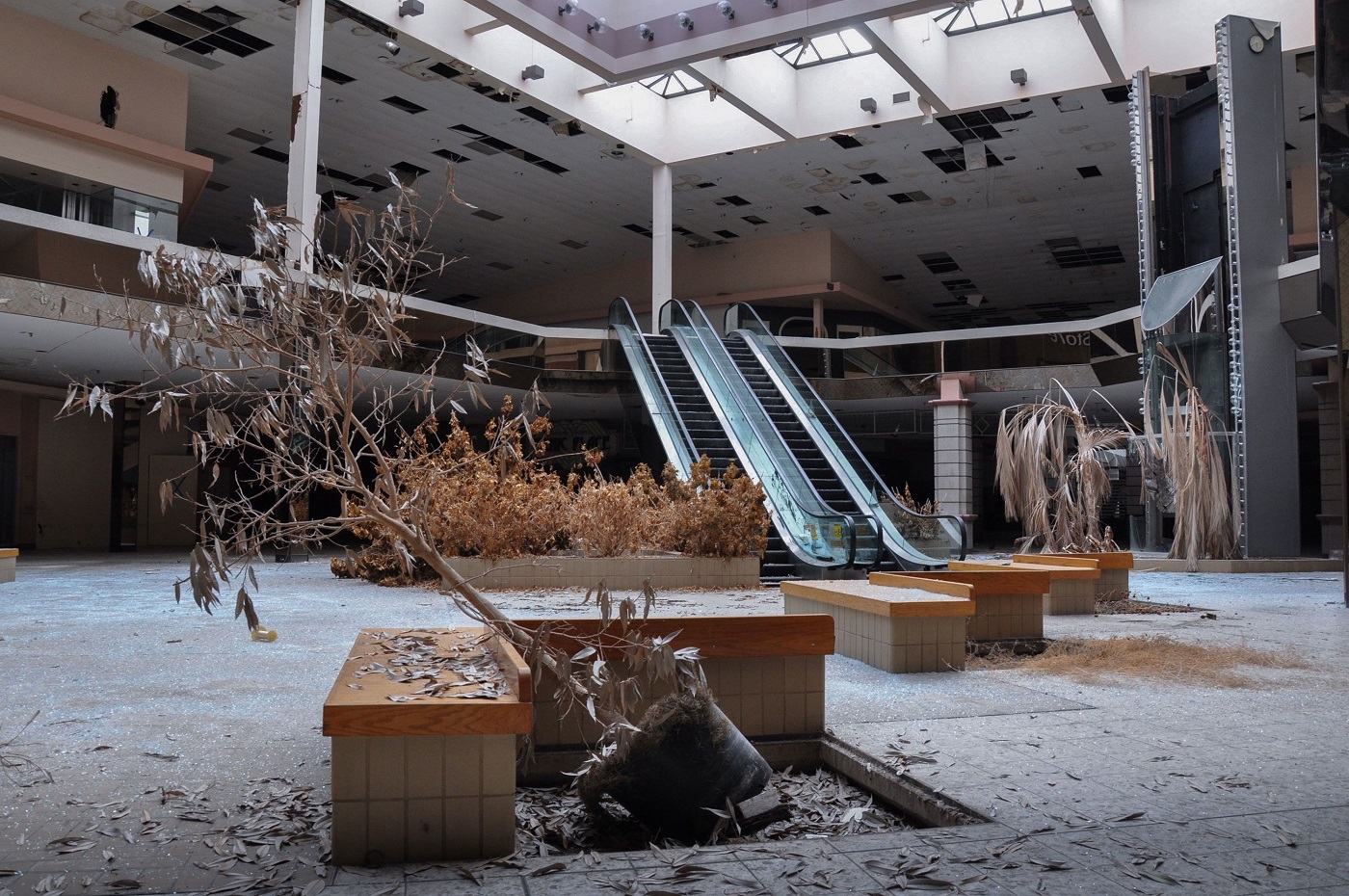
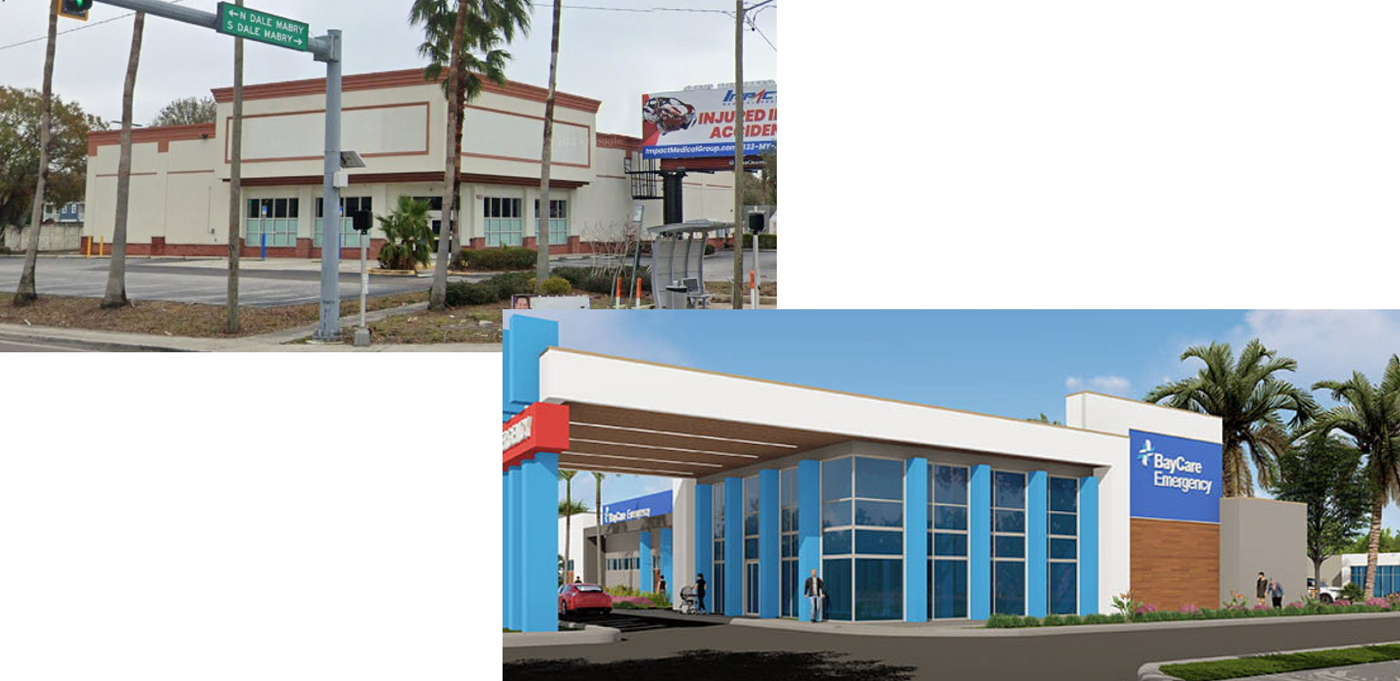
 The center reflected an infrastructure trend found at many suburban shopping malls. Indoor malls have failed. Outdoor malls have been a bit more durable, having less expensive public spaces to maintain and providing more convenient drive-up parking for shoppers. But they have also lost many of their retail stores. Many vacated spaces have been retrofitted to support arrays of healthcare facilities like urgent care, less urgent care, rehab, dentists, and the like.
 Jason Miller
 If you are healthy enough, also to be found are restaurants, entertainment venues like recreational axe-throwing, and facilities that in general can’t be easily replaced by online clicking. At the outdoor mall we went to, the axe-throwing venue was near one of the urgent care facilities. That seemed convenient.
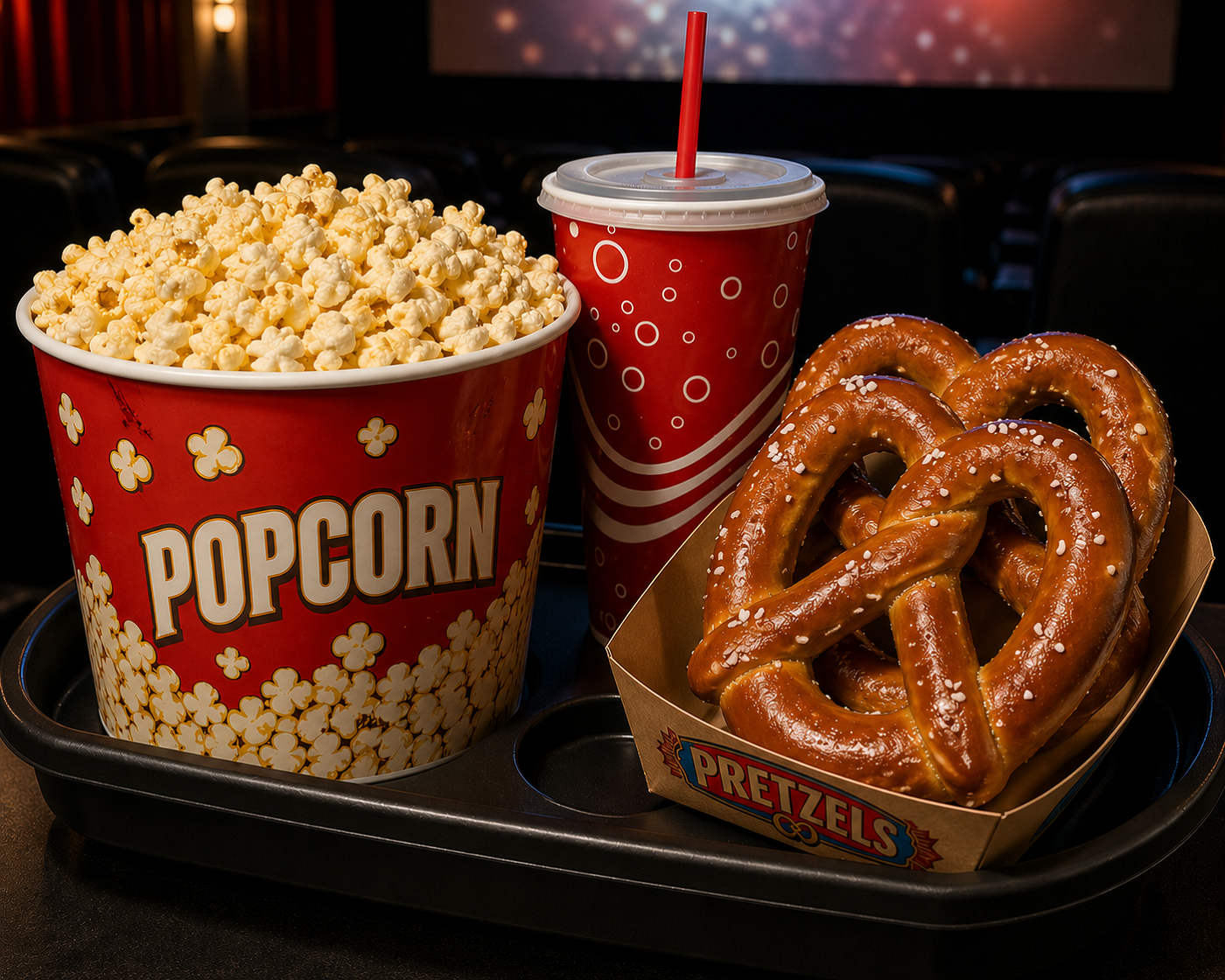
At the theater, we got some fancy popcorn, a large soft pretzel, and sodas. The tab approached triple digits, and that didn’t include the movie tickets. Probably an evening on Netflix would have been a more frugal choice, and it’s likely this was another reason the theater was closing. Entering the theater, the plush lobby was luxurious and largely empty. There was a lonely piano next to the restaurant. You could hear explosive noises emanating from one of the many auditoriums in theater. Batman was beating up Thor, or something like that.
We purchased reserved seats, but we had the pick of the auditorium since no one else was there. We settled into our comfortable plush seats, almost as plush as our nice sofa at home, and waited for the film to start. It took a while. There were about 20 coming attraction previews. That seemed optimistic, because while there would be future films, there would be no future theater.
Once it finally started, the movie turned out to be a good choice. The lead actor, Jeremy Allen White, channeled Bruce Springsteen to a degree that it really seemed like we were watching a documentary. Interestingly, what the film presented amounted to a narrow slice of the performer’s life at the start of his career. And more interestingly, the movie focused on Springsteen’s emotional state and ongoing bouts of depression.
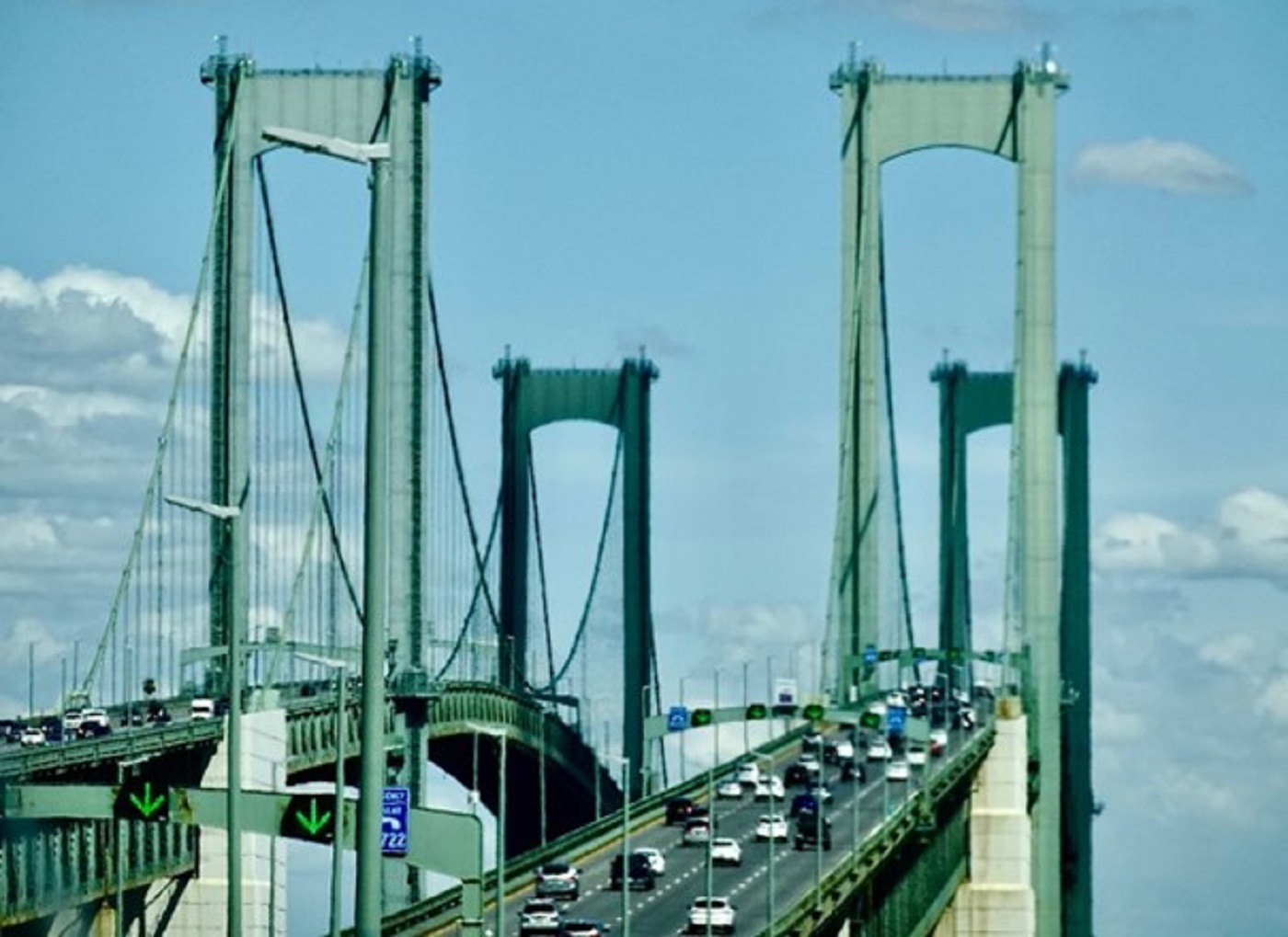
That may not seem like an entertaining topic. Also, unfortunately there were few bridges to lighten up the plot. At one point, Springsteen decided to travel to Los Angeles from New Jersey and he drove across the Delaware Memorial Bridge. It didn’t make geographic sense, because that route would take you south, not west. But we got to drive with him over the bridge and I liked that part.
 Dan Wyman
 In addition to the great performance, the filmmakers relied on slow, quiet pacing (with no explosions) and infrastructure scenes outwardly depicting a story that was inwardly focused. Filming emotional depression is not easy. The backdrop of Springsteen’s native New Jersey helped to show what he was experiencing. It was presented as both a grim and a somber place. He lived with his girlfriend in an old townhouse next to large oil tanks. When his career began to take off, he started to withdraw and take long drives at twilight through isolated New Jersey scrub forests.
It was a good film, and we were pleased that our giant vat of gourmet popcorn lasted to the end. We returned to the lobby to pay our final respects to the theater. The place remained deserted. Tufts of tumbleweeds rolled past the lonely piano. All was quiet, except for sounds of muffled explosions emanating from the other empty theater auditoriums.
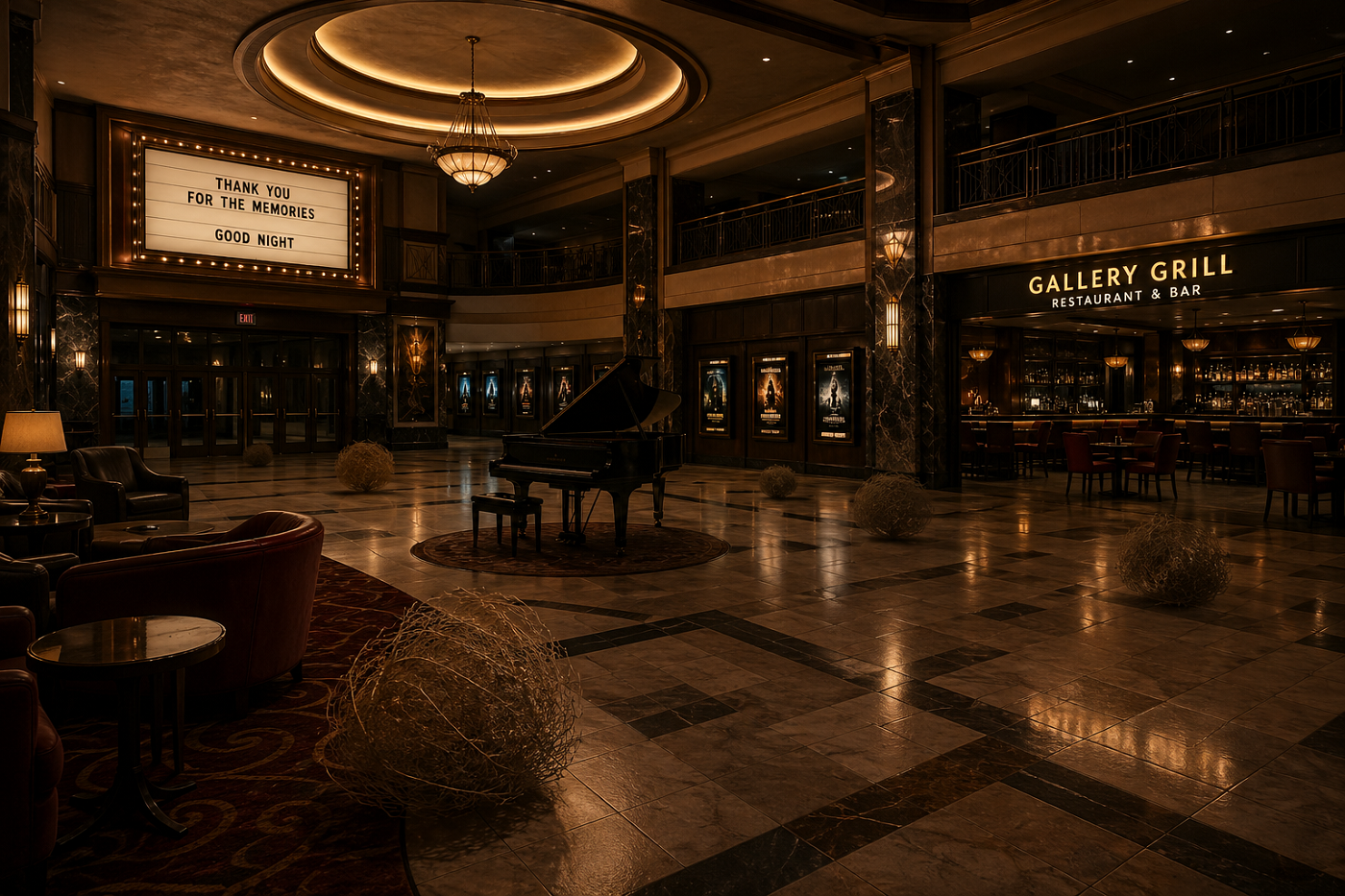
With feelings of regret and longing, we pushed through the cinema doors one last time to exit onto the vast suburban parking lot. We thought that maybe we should keep the empty popcorn vat as an heirloom for future generations. The theater would be gone, but we could tell the story of how it used to be before Netflix. Our great-grandkids would learn about a time when you paid large sums of currency (not Bitcoin) to be part of a small community sitting in front of a large screen. Back when it was an experience to share emotional reactions with the audience. Namely, when there was an audience.
We think of infrastructure as a permanent part of our lives. But it isn’t. Post-9/11, post-COVID, the physical spaces that we are used to living in are changing.
Some uses are slipping into the past. Offices have declined since COVID, when the practice of working at home gained traction. Brick and mortar stores have trouble competing with online clicks. Cinemas were not born in the USA, but they gained prominence here. Now they are going the way of covered bridges: interesting and maybe quaint historic places that aren’t really useful otherwise. And you can more comfortably watch a film at home any time you want, at a small fraction of the cost of going to a cinema. You can even make your own fancy popcorn.
With no stores, cinemas, or offices, what’s left to build? What should a city be now? For infrastructure engineers, the changes involve a reckoning of what the physical places of modernity should now be, and retrofitting structures for new uses. Public meeting spaces have entered the era of recreational axe-throwing, with convenient medical care facilities adjacent. Meanwhile, a lot of former stores and offices that are not medical facilities remain empty and unused. There is darkness on the edge of town.