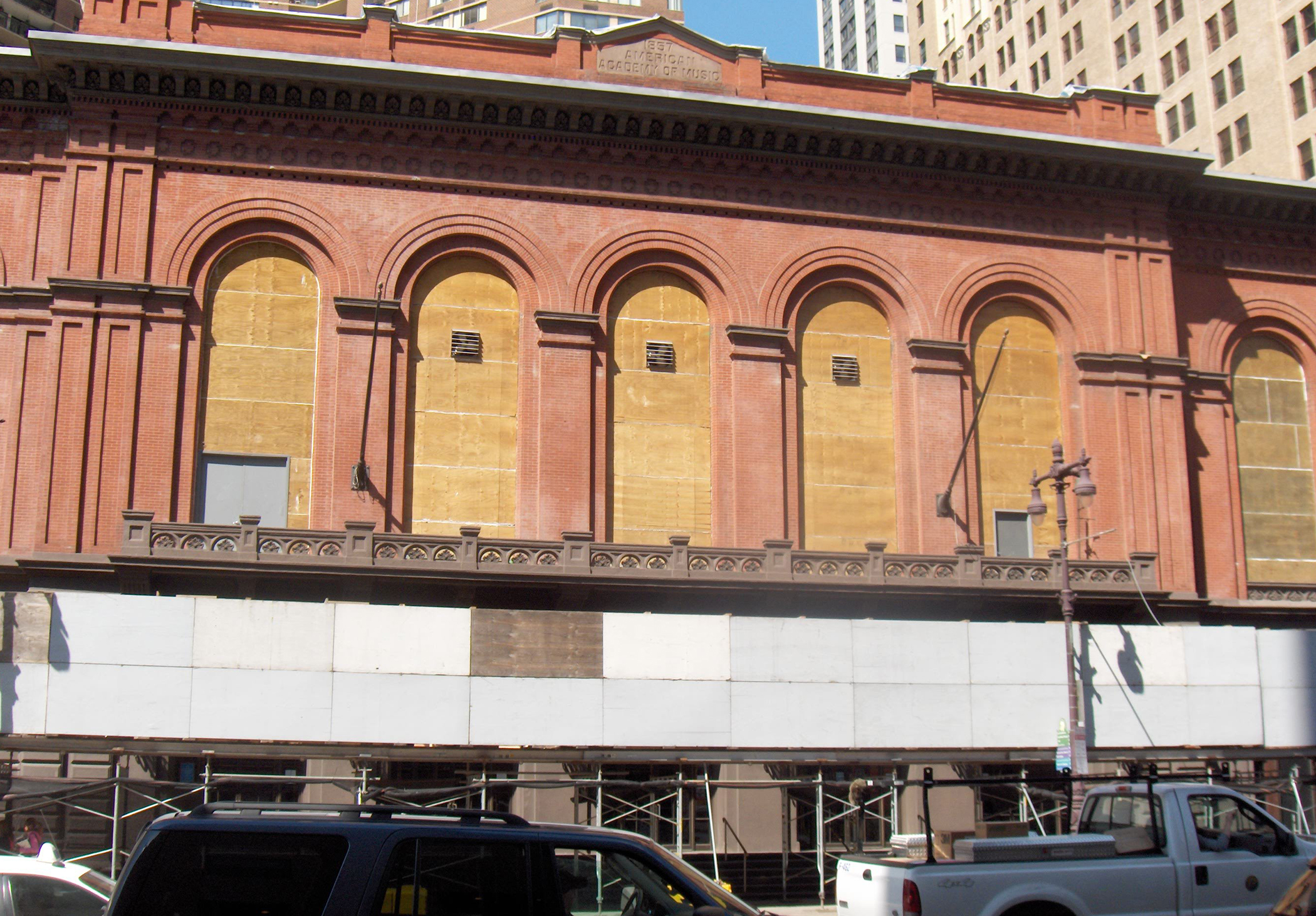
 Davidt8 via Wikimedia Commons
The combination of climate change and limited natural resources means that today’s infrastructure and construction stakeholders must move toward greater sustainability.
The often-heralded goal is net zero, meaning a structure that produces at least as much energy through renewable practices as it consumes each year. Yet, as civil engineers and architects look for new processes to achieve this level of sustainability, they are grappling with one problem: the built structures that already exist.
“There’s a great quote from Carl Elefante (a sustainability pioneer and principal emeritus with Quinn Evans), which says, ‘The greenest building is the one that’s already been built,’” said Rebecca Napolitano, Ph.D., an assistant professor of architectural engineering at Pennsylvania State University. “But there are a lot of challenges involved trying to understand these legacy buildings.
Further reading:
- New carbon-cutting bio-asphalt could prove to be industry disruptor
- Engineering firms could add AI roles to organizational charts sooner than you think
- With apologies to that first little pig, building with straw has lots of upside
“There’s no one-size-fits-all solution to make them more sustainable. And you need to do the research and take the time to really understand the different variables if you want to optimize the building’s performance.”
Adaptive reuse boosts effort
According to the World Green Building Council, approximately 80% of the buildings that will be in use in 2050 are already standing. That means it is imperative that innovative retrofits are as much a part of the sustainability conversation as new builds.
Kyle Tourjé, executive vice president at Alpha Structural Inc., said that demolishing older buildings to replace them with newer builds comes with a significant environmental cost. There’s the substantial amount of waste generated by demolition and the consumption of new raw materials to support construction. He said that embracing adaptive reuse, or creatively repurposing older buildings with new functions in mind, is a good place to start when looking to achieve net-zero goals.
“Especially with older buildings that were constructed 50 to 100 years ago, you immediately gain a lot in clawing back the carbon footprint because the building has been around for so long,” he said. “It’s an amazing opportunity because you can not only decrease waste and material use as you improve the structure, but you can often decrease overall project costs, which is a huge incentive to builders and developers.”
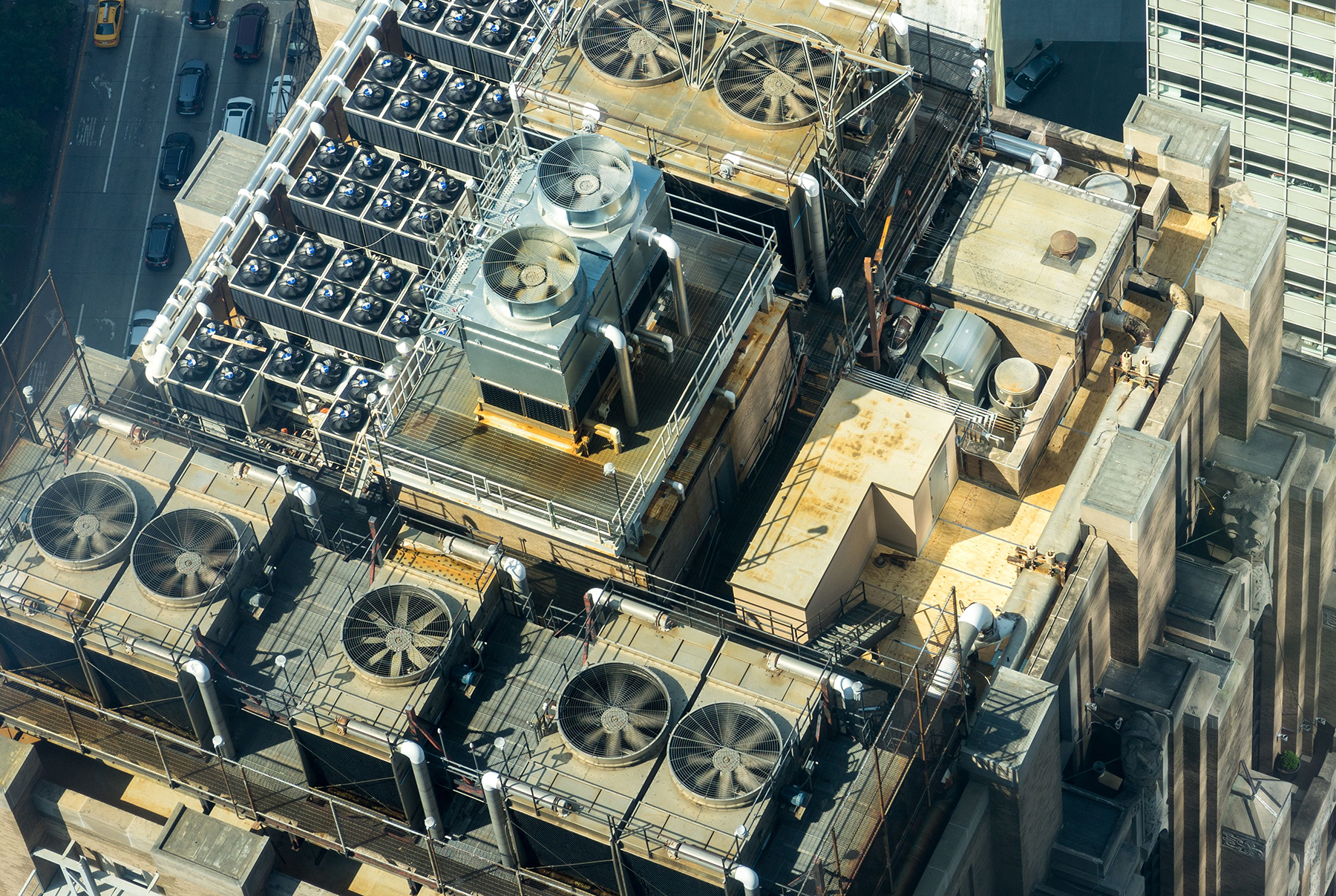 Sergei A via Pexels
Cautious approach necessary
When considering retrofits, whether they’re part of an adaptive reuse project or not, Napolitano said many builders try to apply modern materials to older buildings in hopes of meeting sustainability goals. This, however, can lead to unexpected problems.
“I often tell my students that modern buildings are like a Columbia rain jacket. They are tight. They have vapor barriers and double glazing,” she said. “But older buildings are more like knit sweaters. They’re made of more permeable materials that absorb moisture. So, when you apply that modern, nonbreathable insulation to an old masonry wall, you end up trapping moisture inside, which can lead to mold and ultimately failure.”
Such “material mismatches” are only one reason why creating a sustainable retrofit is not a one-size-fits-all proposition. To optimize sustainability efforts, construction stakeholders must take note of vital variables that affect the legacy structure – those that exist inside and outside the building.
“You have to deal with nonconforming systems. You have to deal with building elements that do not perform the same as any new construction or additions. Building behavior and structural design is more complex,” Tourjé said. “So, engineers need to be very conscious of that as they are thinking about how to move forward.”
Napolitano agreed. She said every building is unique – and, beyond understanding what kind of insulation is in the walls or how the heating, ventilation, and air-conditioning system is designed, it is imperative to take note of where the building is located to measure its performance.
“You can’t use a blanket retrofit policy on every building, in every climate zone, in every energy infrastructure,” Napolitano said. “You need to do the research and take the time to understand these different variables so you can come up with the right approach to optimize performance.”
Overcoming data fragmentation
Being able to collect and analyze data from those variables, however, is an ongoing challenge. There are dozens of different companies that offer different measurement systems and sensors, promising to bring together disparate data from disconnected energy, lighting, and environmental systems with the goal of reflecting true building performance patterns.
But far too often, those different platforms are proprietary and difficult to integrate. Dealing with so much fragmented data, said Napolitano, means engineers are often forced to “optimize things individually.”
“You may have a legacy lighting system that’s throwing off massive amounts of heat, which ends up causing a localized HVAC zone, where the air conditioning has to run a lot,” she said. “But if your data is coming in at proprietary formats, at different time intervals, and the systems can’t talk to each other, you may not see that you have an overlapping issue that needs to be addressed.”
Napolitano had taken an interest in the use of digital twins to optimize legacy building performance – especially those that can blend a variety of different datasets. But given that such models are only as good “as the data they are calibrated on,” it behooves those who are designing retrofits to integrate “what’s actually happening in the building, not just theoretical loads” in their models, she said.
“This gives you more of an understanding of how different systems are layering on top of each other,” Napolitano said. “It also has the advantage, in the age of artificial intelligence, that you could potentially use the data so you can leverage new techniques to do your predictions and take you from always being reactive to proactive.”
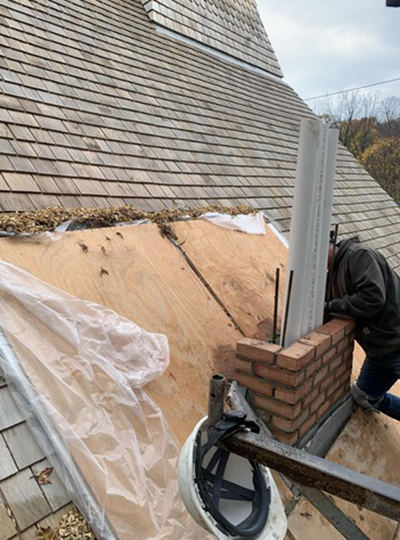 National Park Service via Wikimedia Commons
Being proactive is important, as current sustainability goals are all but guaranteed to continue evolving. But having a digital twin that integrates real-world data can help engineers make more informed decisions to evolve with those goals. And surprisingly, she added, getting to that point does not necessarily require putting a sensor on every vent and light fixture in the structure. She said she and her colleagues are leveraging computer vision to help them identify areas for improvement – and the proper retrofits.
“A lot of buildings already have (closed-circuit television) or some other type of low-frame-rate video. There are ways that we can use change-over-time detection techniques to get a sense of the room and what it may need,” Napolitano said. “Then you can put in a sensor or a moisture probe to give you more data.”
Though these techniques remain in development, Napolitano believes they have great promise and will provide a huge shift in the way engineers build their digital twins.
“There’s a lot of room for new techniques moving forward, especially with AI, so you don’t have to think as much about discrete sensors, but can enable more ubiquitous sensing,” she said. “And the data we get from these methods can give us better direction on how to make these legacy buildings more sustainable in the future.”

What’s Your Big Idea?
Big infrastructure challenges such as achieving net zero require big infrastructure solutions, and ASCE2027 is your place for those big ideas.
ASCE2027: The Infrastructure and Engineering Experience is a first-of-its-kind event, bringing together big thinkers from all across the infrastructure space, March 1-5, 2027, in Philadelphia. Pack your big ideas and join the discussion.
Learn more about ASCE2027: The Infrastructure and Engineering Experience.