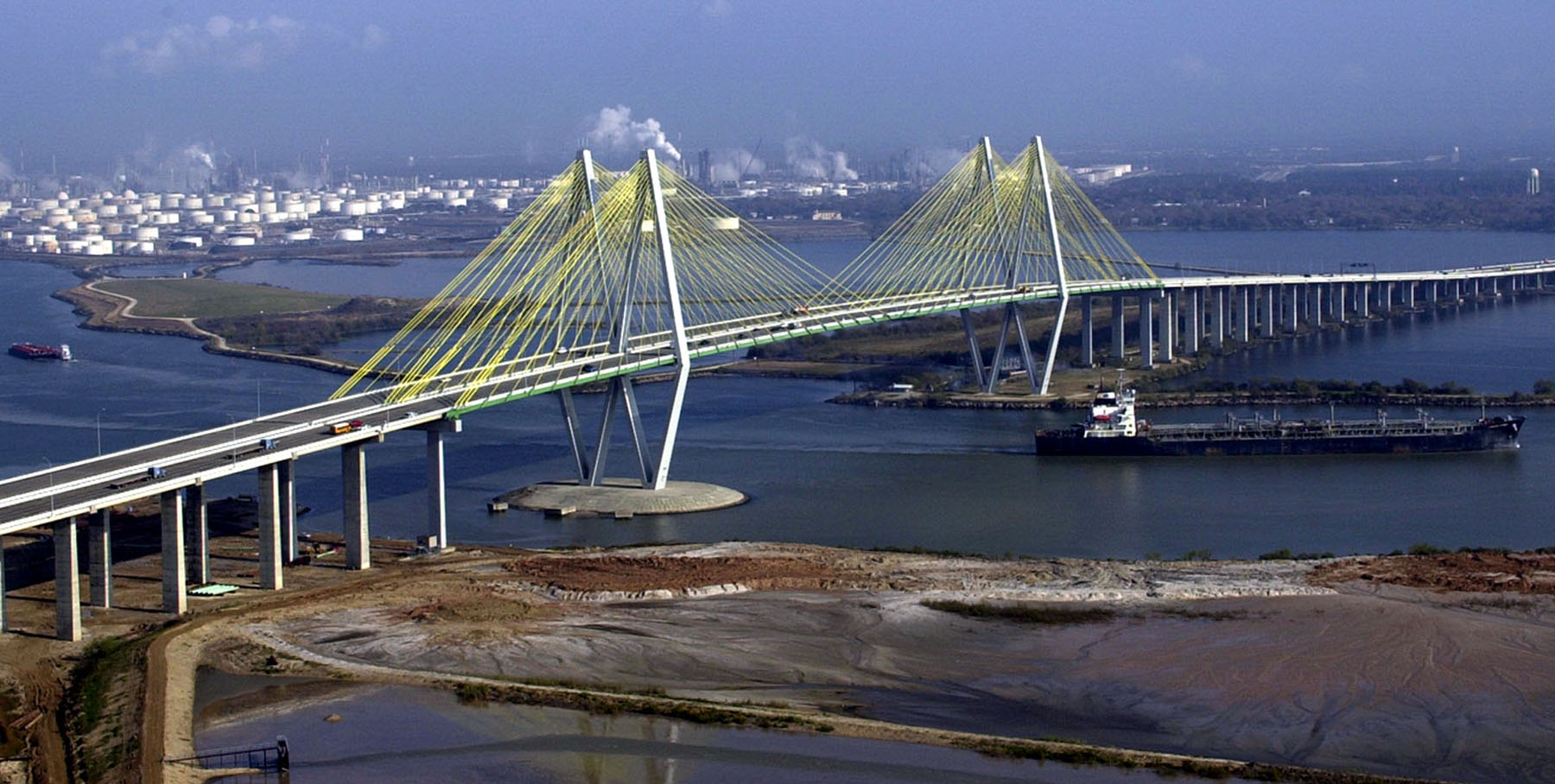
 U.S. Coast Guard via James Dillard
 Infrastructure in the U.S. was under the microscope in 2025 like no other year in recent memory.
ASCE’s 2025 Report Card for America’s Infrastructure was released in March to much fanfare – with an all-time best overall grade of C. The national report, released on its regular four-year cycle, graded the infrastructure serving 340 million Americans.
Additionally, 12 states, including the three with the largest populations, got a bonus in 2025: more targeted reports in the form of ASCE state infrastructure report cards.

First among the Big Three, Texas (population 31 million) issued its report card in February, with an overall grade of C. Next was California, the most populated state (39 million), which received a C- grade in a report released in early December. And just a week later, Florida (population 23 million) closed out the year with a bang, as it received an overall C+ grade.
The chairs of the committees that compiled the three report cards have similar messages for their states, which share many commonalities relating to infrastructure but also feature many distinguishing characteristics.
Further reading:
- 5 key takeaways from the ‘2025 Report Card for America’s Infrastructure’
- 27 years ago, ASCE’s first ‘Report Card for America’s Infrastructure’ was a game-changer
- Sustained infrastructure investment is crucial, engineers and legislators say
Florida’s C+ ties for the highest ASCE-issued state infrastructure report card. Georgia (2024), Nevada (2025), Utah (2025), and Wisconsin (2024) scored the same grade. Still, Kathi Ruvarac, P.E., RSP1, F.ASCE, chair of the Florida committee that issued the report card, says there is plenty of work to do in the Sunshine State.
“We have some very critical needs: our aging infrastructure, our growing population, and our vulnerability to extreme events, whether that be climate related or – as we found with the pandemic – economy related,” she said. “We had recommendations for addressing funding for our aging infrastructure and modernizing it. And then adapting to climate events and building back more resilient, sustainable facilities.”
Florida’s report card also emphasized the need for workforce development. These themes are echoed in the Texas and California report cards.
In addition to their massive populations, these three states are also large geographically. At 268,000 square miles, Texas is the nation’s second-largest state (behind Alaska). California is third at 163,000 square miles. Florida is quite a bit behind at about 65,000 square miles but still ranks in the upper half among states, and its southernmost point is about 450 miles south of its northernmost spot.
This creates complications for infrastructure, as climate can vary greatly within all three states’ borders.
Austin Messerli, P.E., M.ASCE, was co-chair of Texas infrastructure report card. He said his state must prepare for pretty much any infrastructure challenge imaginable.
“We are seeing severely cold weather, we’re seeing prolonged droughts, we are seeing increasing rain events,” he said. “It’s really a combination of all of those. How to overcome these (requires) proper planning and engineering design criteria.”
And with a changing climate, aging infrastructure, and surging population, the challenges are only growing.
“We know that things are going to continue to change,” he said. “People are going to continue to move here and do business in Texas. This requires proper planning and additional funding so we have the ability to cover our entire state as people continue to move here and have the continued opportunities as people before.”
The other states releasing report cards in 2025 were Alaska, Colorado, Idaho, Louisiana, Maryland, Nevada, Ohio, Utah, and West Virginia. The 13 report card releases were the most for ASCE in a decade.
Getting the message out
ASCE-issued infrastructure report cards – whether at the national or state level – carry weight. And California, being the most populated state with almost 40 million residents (not to mention the world’s fourth-largest economy if it were a sovereign nation), has seen it firsthand.
Yaz Emrani, P.E., ENV SP, F.ASCE, chair of the infrastructure report card executive committee that issued the new California report, is a veteran when it comes to these matters. In fact, he also was co-chair of the first infrastructure report card issued by the Golden State in 2006. He recalls there was a pending November vote before Californians on a $42 billion infrastructure bond.
The state report card was put together in nine months and issued in September with an overall grade of C-, including an F for levees.
Two months later, voters passed the infrastructure bond.
“I think we played a small role in educating the general public about the state of the infrastructure, and fortunately, the infrastructure bonds passed,” Emrani said. “That was a major shot in the arm. It helped with levees, which had received a grade of an F, and it also helped with some of the other categories.”
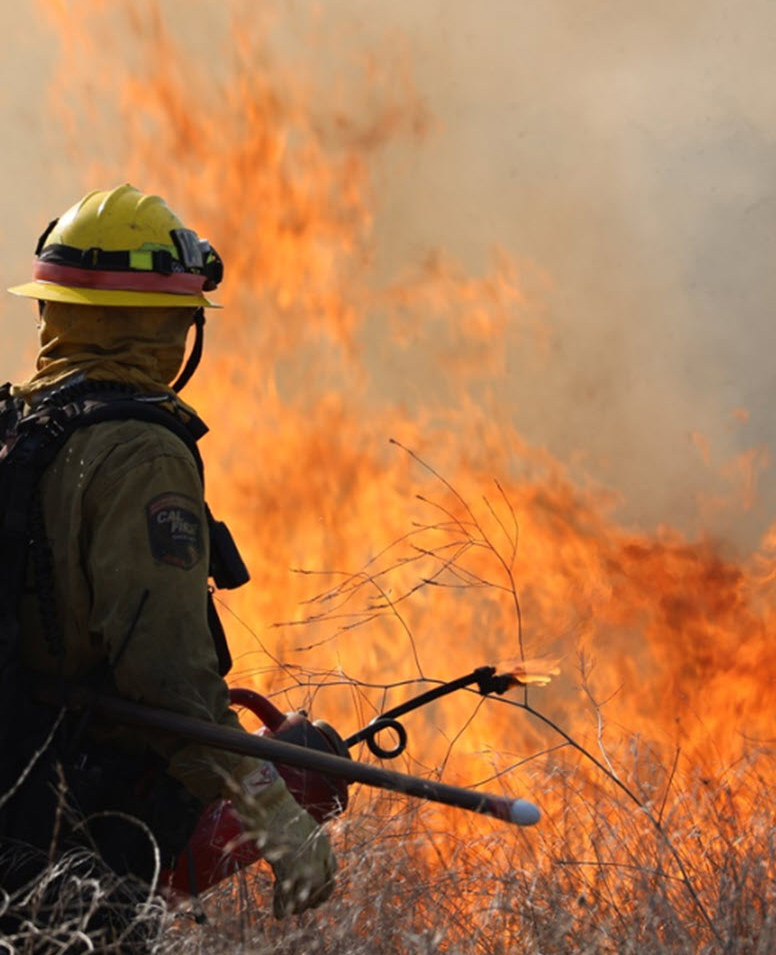 State of California
 In California’s 2025 report card, levees moved up to a D+.
“There’s been a lot of increased funding and investment in levees,” said Emrani, whose committee co-chairs were Tony Akel, P.E., BW.WRE, M.ASCE, and Jeff Braun, P.E., M.ASCE. “So now we’re seeing that grade improving. It’s a direct link to shining a spotlight on areas that need to improve and then making sure that we have the adequate funding to address those needs.”
Funding was a common thread throughout the Big Three’s state report cards. The Infrastructure Investment and Jobs Act of 2021 was a $1.2 trillion boost for U.S. infrastructure and undoubtedly made a positive impact. But it expires this year, and infrastructure leaders, noting how much work remains to be done, say continued funding is imperative.
Messerli, who served alongside Griselda Gonzales, P.E., ENV SP, M.ASCE, as the Texas co-chair and who is a capital improvements program manager for the city of Buda, Texas, called for “pointed investments and dedicated long-term funding.”
“Infrastructure takes a long time to develop, whether it’s from planning to designing to construction,” he said. “We’re seeing underfunding for all the categories. The total number can vary between each category.”
For example, Messerli pointed to the recent passage by Texans of a proposition that would dedicate $1 billion per year to the Texas Water Fund for 20 years for water supply, water infrastructure, wastewater, and flood protection. While he was pleased with that vote, a report from the Texas Water Development Board showed a need for more than that amount of money over the next two decades.
Emrani, director of public works for the city of Rialto, California, and ASCE’s Region 9 director, said sustained investment is a must to ensure infrastructure is built and properly maintained.
“These one-time infusions of investments are great. But we prefer continuous and continued investment to make sure that everything is operating properly,” he said. “If we wait until something breaks, then it’s 5-10 times more expensive to fix it than if you continually invest in its maintenance and renewal.”
It is also important to invest in technology, said Ruvarac, who is a senior engineer for the Bentley Group.
The Florida report card committee emphasized modernizing aging infrastructure and building it to withstand extreme climate events, such as the hurricanes that regularly threaten Florida. She said state funding for infrastructure such as transportation, ports, airports, bridges, and stormwater is generous and allows Florida to be a leader in these areas.
“We need to provide dedicated funding for research and development of innovative technologies and materials to then incorporate in our infrastructure projects,” Ruvarac said. “We have to spend the money to do the research and development to make those viable concepts come into reality. It’s what engineers do: provide solutions.”
Communicating the messages from the report card is crucial, the three chairs said.
That means interactions with the public, legislators, and the news media. All three states maximized these opportunities upon releasing their report cards.
Even if it means leaving your comfort zone, it is imperative to communicate the message, Emrani said.
“As engineers, we often prefer to just do our work and keep to ourselves,” he said. “That introverted nature is something we need to break out of. We have to be more than technical experts; we need to be strong communicators.
“That means interacting with elected officials, engaging with the public, and being comfortable advocating for these changes.”
Summing up the Big 3’s reports
A snapshot look at the state infrastructure report cards from the three most populous states in the U.S.:
The overall grades
- California: C-
- Florida: C+
- Texas: C
Best- and worst-performing sectors
- California: Ports and rail received B’s while aviation scored a B-. On the other end, energy, inland waterways, roads, and stormwater received D’s.
- Florida: Ports got a B+, while bridges and solid waste received B’s. Dams were scored lowest, with a D-, followed by levees and schools, which each got a D+.
- Texas: Aviation received a B, and bridges got a B-. Bringing up the rear were wastewater and levees, each with a D-.
Summary from the chair
- California, Yaz Emrani, P.E., ENV SP, F.ASCE: “We deal with a lot of natural hazards: drought cycles, atmospheric rivers, wildfires, earthquakes, sea-level rise, and climate change. Each brings its own challenges, but challenges also create opportunities. As civil engineers, we have to stay ahead of them and design sustainable infrastructure.”
- Florida, Kathi Ruvarac, P.E., RSP1, F.ASCE: “The upgrade of our electrical grid is of utmost importance, not only so that when we’re subject to a hurricane or extreme weather event, we don’t lose power, but also because of the increased demands due to the data collection centers that are going to be built within the next 10-15 years.”
- Texas, Austin Messerli, P.E., M.ASCE: “A notorious quote from a past Texas Section president and state report card chair is: ‘There’s a lot of people that move here, but they don’t bring their infrastructure.’ They are bringing their cars. They are bringing families. They are bringing their businesses. But they’re not bringing water. … They’re not bringing a road or bridge. So the challenge is to keep up with that, not just from an expanding footprint but also the extra demand on infrastructure that’s already here.”
Fun facts
- California: The state faces a $295 billion maintenance funding shortfall over the next decade for roads and bridges, and traffic congestion in California costs residents $28 billion every year.
- Florida: For the first time, the state addressed space infrastructure. The report card team, whose state includes the Kennedy Space Center, issued an ungraded “spotlight” on the sector, with plans for a graded chapter in the next report card.
- Texas: With more than 56,000 bridges, the Lone Star State has twice the amount of any other state. In 2024, 1.2% of bridges were determined to be in poor condition, third lowest in the nation.
View the Big Three’s full report cards
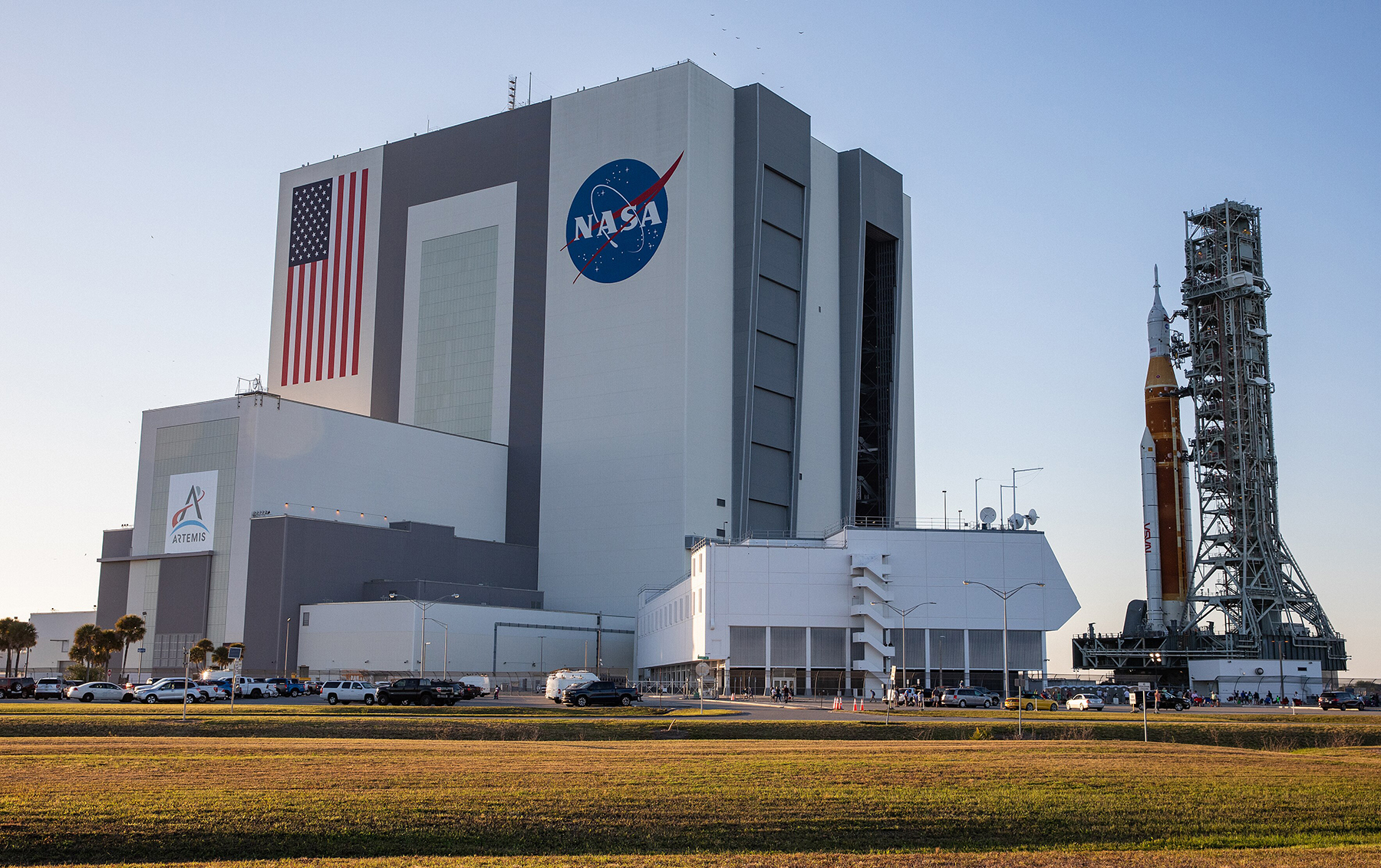 NASA via Kim Shiflett
 Also of note
- The Water Resources Development Act is up for renewal this year, and ASCE recently highlighted its 2026 WRDA priorities for congressional staffers. These include addressing a growing backlog of U.S. Army Corps of Engineers water resources projects, protecting funding for dam repair and safety, and improving U.S. ports through maintenance dredging.
- The Federal Aviation Administration’s air traffic control operations were among contributing factors in a deadly midair collision in Washington, D.C., a year ago, according to the National Transportation Safety Board. A commercial plane and a U.S. Army helicopter collided over the Potomac River, killing 67. After investigating for a year, the NTSB revealed its findings at a public meeting on Jan. 27.
- The Federal Transit Administration announced over $2 billion in fiscal year 2025 funding was awarded to 165 bus-related projects.
- The House Committee on the Judiciary Subcommittee on Oversight examined how foreign actors can penetrate the U.S. transportation system. Leaders said specific elements of physical infrastructure, such as cameras and communication devices, might be points of vulnerability.
- ASCE published a memo in the wake of the U.S. Department of Education’s proposed new definition of professional degrees, a change that would mean postgraduate degrees in engineering, nursing, and other fields would no longer be considered “professional degrees” for purposes of federal student loans. ASCE’s memo notes that while “most engineering postgraduate degree seekers will likely still be able to cover most if not all the cost of attendance at a program of their choice, the proposed definition may have a chilling effect” on some students.

Get ready for ASCE2027
Maybe you have big ideas about infrastructure in the U.S. Maybe you are looking for the right venue to share those big ideas. Maybe you want to get your big ideas in front of leading big thinkers from across the infrastructure space.
Maybe you should share your big ideas at ASCE2027: The Infrastructure and Engineering Experience – a first-of-its-kind event bringing together big thinkers from all across the infrastructure space, March 1-5, 2027, in Philadelphia.
The call for content is open now through March 4. Don’t wait. Get started today!