 Ron Reiring via Wikimedia
 After five years of a “supersized” approach, America’s surface transportation legislation is returning to the basics.
A bill that passed the House Committee on Transportation and Infrastructure last month aims to satisfy the transportation industry’s needs, largely at the same level as its predecessor. But unlike the Infrastructure Investment and Jobs Act – signed in 2021 and the source of funding for many initiatives beyond transportation – the new bill focuses almost exclusively on core surface transportation programs.
Further reading:
- ASCE outlines WRDA 2026 water infrastructure needs with a focus on public safety
- Earmarks return; what does that mean for infrastructure, civil engineers?
- Flooding, stormwater costs would rise from Clean Water Act rollbacks, engineers say
Aside from a few exceptions such as cybersecurity and digital infrastructure funding, the Building Unrivaled Infrastructure and Long-term Development for America’s 250th Act resembles pre-IIJA transportation bills.
“We’re back to the traditional format,” said Mike Pniewski, P.E., P.S., F.ASCE, the engineer for Lucas County, Ohio. “This is just for surface transportation. It funds what are traditionally considered surface transportation programs.”
Sarah Klarich, P.E., ENV SP, M.ASCE, a senior engineer with Denver’s Department of Transportation and Infrastructure, said the excluded programs were important but that compromise is necessary in legislation like the BUILD America 250 Act, which would provide $580 billion over five years, starting with fiscal year 2027.
“We’ve lost broadband, drinking water, and wastewater program funding that had been previously included in the IIJA,” Klarich said. “That is definitely a big loss, but I think that we knew going into this that it was going to be more transportation-specific. Maybe there will be an opportunity in the future for a separate piece of legislation that might bolster some of that work.”
Among the biggest winners in the bill are the Highway Trust Fund and bridges.
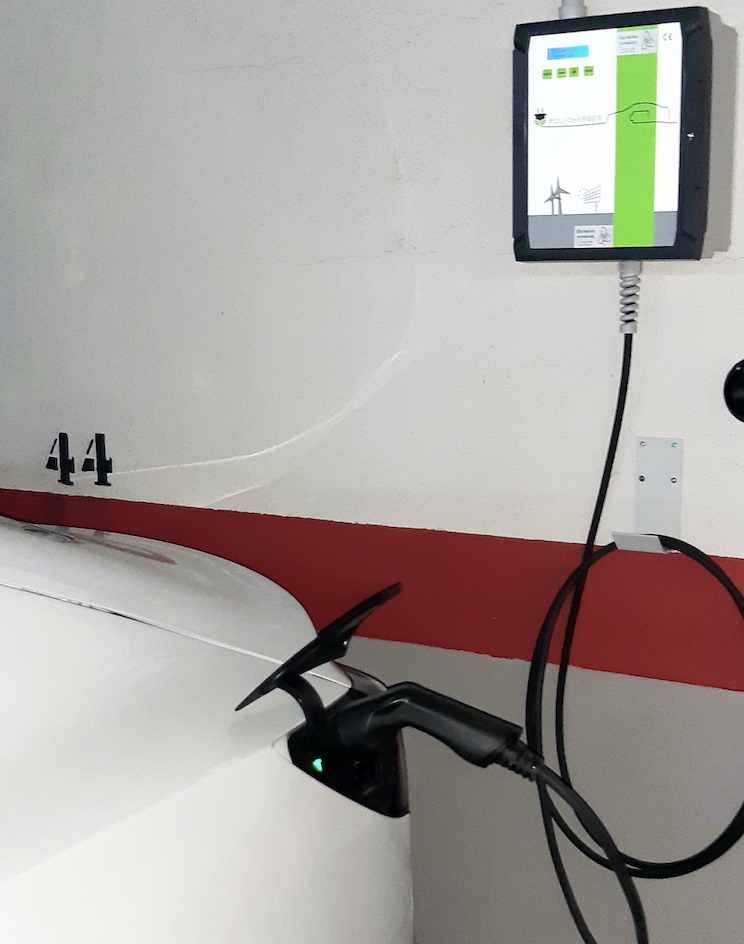
Under the bill, for the first time, federal fees would be assessed on electric and plug-in hybrid vehicles. EV owners would pay $130 a year, and hybrid drivers would pay $35, though this might be a tough sell in the Senate, where 60 votes are required.
 Smnt via Wikimedia
As written, owners would pay the fees when registering or renewing their vehicles with their states. States would then send the funds to the federal government, where they would go into the Highway Trust Fund.
ASCE has long called for measures to better support the fund, noting that the federal gas tax has not increased since 1993 and that the fund has suffered because of the rise of EVs and hybrids, as well as more fuel-efficient internal combustion vehicles. Dozens of states already have similar fees for EVs and plug-in hybrids, so Klarich and Pniewski weren’t surprised to see the federal government following suit.
“Having a registration fee is a really great first step,” Klarich said. “We’ve been working toward it for a long time. To see it coming out at a federal level is really exciting. And hopefully this can remain in as we work toward passing a full bill and agreement between the House and Senate.”
“I think there was a realization that if you’re going to be using the surface transportation system, everybody has a role in its funding,” Pniewski said. “(EV and hybrid owners) driving vehicles on roads that are funded through surface transportation revenues – and in the past that has been 100% gas tax on the federal level – have a responsibility to pay.”
Bridges take center stage
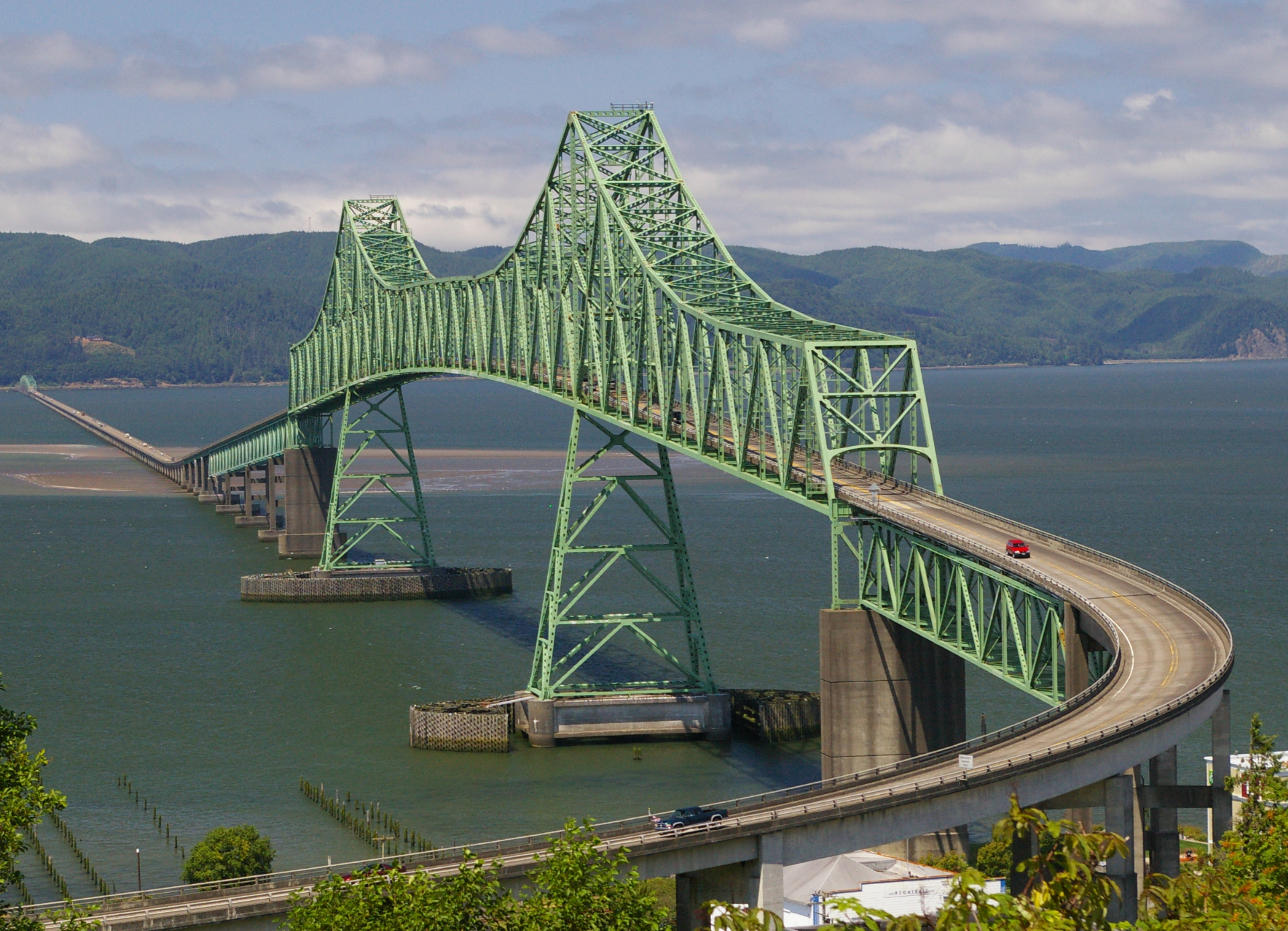
The bill heavily tilts toward predictable funding streams. The BUILD America 250 Act consolidates IIJA bridge programs into a $9.2 billion annual formula program managed through the Highway Trust Fund.
Instead of a cumbersome application process, the program uses a formula that guarantees at least $75 million annually for all states, ensures states will receive at least what they did under the IIJA, and distributes the remaining funds using a formula based on total bridge deck area and the share classified as being in poor condition by the National Bridge Inventory.
The bridge program also requires 20% of each state’s funding to go to off-system bridges, meaning bridges that are not on the Federal-aid Highway System.
“For local jurisdictions, it’s a 270-plus percent increase in the amount of funds that we would have received otherwise,” Pniewski said. “So it is a significant increase in the amount of funds that are going to go toward helping our nation’s bridges.”
Bridges have life spans of about 75 years. The 2025 ASCE Report Card for America’s Infrastructure put the average age of U.S. bridges at 47 years and assigned a C grade to the sector.
Pniewski says this infusion of funding for bridges couldn’t come at a better time, noting that the money can be used to maintain bridges, which in the long run is more economical than waiting for them to need replacing.
The bill would also reauthorize and provide modest funding increases for multiple key formula programs, including the Surface Transportation Block Grant Program, the Congestion Mitigation and Air Quality Program, and the Transportation Alternatives Program. Overall, the bill would preserve and slightly grow traditional highway funding, including the National Highway Performance Program.
The IIJA offered many discretionary grants via the U.S. Department of Transportation that local communities, states, or individuals could apply for. The new bill significantly shrinks the number of direct grants, eliminating some. Others were collapsed into a new grant program, and some were preserved – some with the same level of funding and others with reduced funding.
Klarich said other losses in the bill include IIJA provisions focused on infrastructure resilience to natural disasters, the Carbon Reduction Program, and certain emissions-focused funding initiatives.
On a positive note, Pniewski highlighted the Surface Transportation Accelerator Grant program, which creates a new discretionary grant program for a wider range of transportation projects.
The bill also largely leaves intact the Safe Streets and Roads for All program, a DOT discretionary grant program that supports planning and infrastructure projects aimed at reducing roadway fatalities and serious injuries. Pniewski used roundabouts, sidewalks, and bicycle lanes as examples of eligible projects.
Klarich and Pniewski were excited upon learning that the bill would also increase funding for the Highway Safety Improvement Program, which funds projects aimed at reducing traffic deaths and injuries.
“There’s a lot of additional money for different types of programs,” Pniewski said. “And it largely keeps the level of funding that was in the IIJA intact, but it shifts around where those monies are going to be allocated.”
Advocacy pays off
The House bill also would reduce some delays that often accompany transportation projects, specifically addressing the National Environmental Policy Act. It clarifies numerous categorical exclusions and expands the use of NEPA assignment – a process that allows states to conduct their own environmental reviews.
Klarich attended this year’s ASCE Legislative Fly-In, at which surface transportation reauthorization was a point of emphasis for members meeting lawmakers. She said it felt good to see the messaging pay dividends in the new bill.
Fly-In attendees “seemed like they had gotten a really positive response when talking to their legislative offices about surface transportation reauthorization and infrastructure funding in general,” Klarich said. “The offices I spoke with were particularly interested to hear some of the things that are included now in this BUILD Act, which includes some NEPA streamlining.
“Despite losing some resilient and sustainability efforts that were included in the IIJA, the BUILD Act still has some resilient project eligibility in some of the program funding, and we did see an increase in funding for some programs.”
 formulanone via Wikimedia
By maintaining investment levels while reshaping the delivery of those funds, the bill reflects a broader shift back to a more traditional approach to surface transportation policy.
But with the IIJA expiring Sept. 30, the clock is ticking. As with all legislation, the process is arduous, including passage in the full House and then reconciliation with a yet-to-be-introduced Senate bill. Much could change before the bill lands on the president’s desk.
If enacted, the bill would be one of the final acts of Rep. Sam Graves, R-Mo., the retiring Transportation and Infrastructure committee chair.
Klarich remembers hearing Graves speak at a past ASCE event.
“What I remember taking away from that was how passionate he felt about infrastructure needs and how seriously he took his role in the Transportation and Infrastructure Committee,” Klarich said. “And that he really has a good grasp on a lot of the issues that ASCE brings up and things that we’re looking for in current legislation. This BUILD Act is really like a culmination of his leadership and being an infrastructure champion over the years.
“In an increasingly polarized climate, it is really nice to be able to come in from a nonpartisan view in talking with our legislators and know that the Transportation and Infrastructure Committee, while they may not agree on everything, agrees generally on the need for infrastructure improvement and maintenance in the country,” Klarich said.
Also of note
- ASCE joined more than 300 groups in urging the Office of Management and Budget to extend a comment deadline for a proposed rule that would expand political appointees’ role in federal grant management. The groups want the July 13 deadline extended to Aug. 27.
- The U.S. Department of Transportation awarded 45 grants totaling $46.9 million across 27 states to help public entities pursue public-private partnerships and explore innovative financing for transportation projects. The DOT has also made more than $626 million available for projects to improve the safety, efficiency, and reliability of the movement of people and goods across roads, bridges, railroads, and waterways.
- A Senate bill aims to accelerate energy projects by limiting federal agencies’ ability to revoke permits, issue stop-work orders, or halt construction on fully permitted projects that do not fall within a narrow set of extreme circumstances.