

Sustainability
Sustainability at ASCE
ASCE and its members are dedicated to ensuring a sustainable future in which human society has the capacity and opportunity to maintain and improve its quality of life indefinitely, without degrading the quantity, quality, or the availability of natural, economic, and social resources.
The Committee on Sustainability develops Civil Engineering products
ASCE has long considered sustainability a strategic issue confronting practicing civil engineers. Its integration into professional practice is required to address changing environmental, social, and economic conditions ethically and responsibly. ASCE has outlined a roadmap to transform the profession.
Proceedings of ASCE Inspire 2023, held in Arlington, Virginia, November 16–18, 2023. Sponsored by the Committee on Technical Advancement, the Committee on Sustainability, the Committee on Adaptation to a Changing Climate, the Energy Division, and the Infrastructure Resilience Division of ASCE.
An ASCE publication on the implementation of sustainability principles in the procurement process, including benefits of sustainable procurement, recommended procurement language, commentary and references for further study, and lists of available case studies.
ASCE Sustainability activities
Grading the condition and performance of American infrastructure. Moving toward sustainable infrastructure is key.
ASCE’s technical Institutes offer opportunities to delve deeper into sustainability in specialized civil engineering fields.
Mobilizing an engineering-led coalition to make resilience and sustainability a cornerstone of every decision in the infrastructure lifecycle.
ASCE is committed to the triple-bottom line of sustainability, including diversity, equity, and inclusion programs.
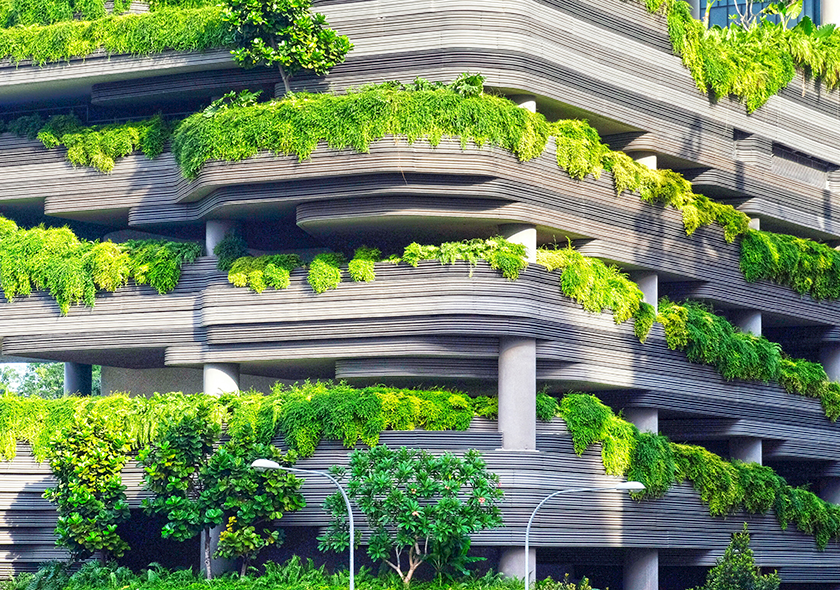
Sustainability and Resilience
This Community of Practice is for engineers to discuss and explore the future of civil infrastructure that is environmentally responsible and socially equitable (sustainable) but also robust and capable of withstanding and recovering from disruptions (resilient).
ASCE encourages global leaders to stand behind the reduction of carbon emissions ensuring for a more resilient and sustainable future through its Conference of Parties (COP) 26 statement.
Contact ASCE Sustainability staff
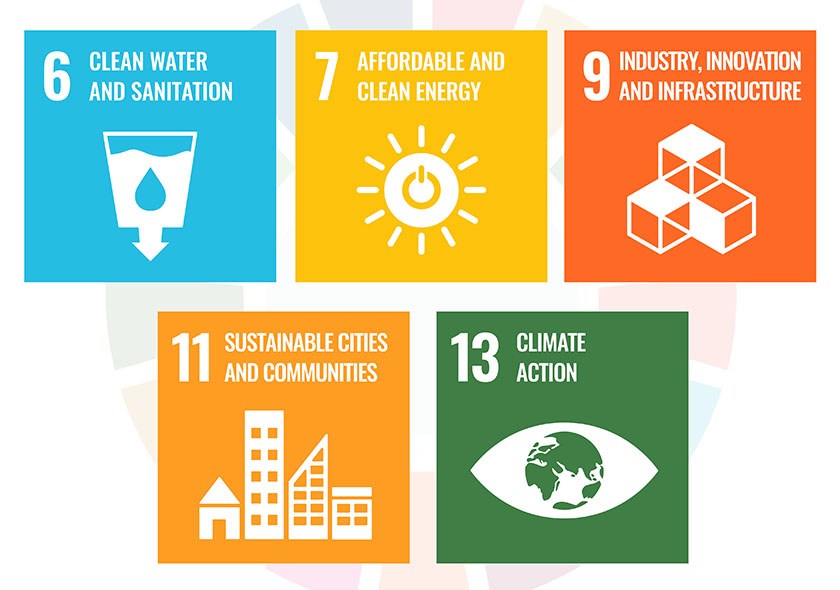
Sustainable development
ASCE civil engineering research supports key UN Sustainable Development Goals. Researchers and practicing civil engineers are actively seeking solutions to make our environment more resilient and sustainable for future generations.