
Engineering Mechanics Institute (EMI)
The Community for Leaders in Engineering Mechanics. Advancing the Frontiers of Engineering.
EMI is the premiere interdisciplinary organization of engineering mechanics that promotes research and the application of scientific and mathematical principles to address existing and emerging engineering and societal issues.
 Support the future of engineering innovation - donate to the EMI Younger Researchers Participation (YRP) Fund and help empower the next generation of brilliant minds to lead, discover, and inspire. Your contribution fuels groundbreaking research and lifelong impact.
Important announcements
Connect with engineering mechanics leaders and innovators at #ASCE2027! Join the...
ASCE/EMI membership offers numerous benefits, including career advancement, knowledge expansion, access to technical resources, networking opportunities, and member discounts.
Events
Designed to support EMI members pursuing careers in academia.
EMI's technical committees strive to foster technical activities within the area of engineering mechanics by developing conference sessions and symposia.

"Being an EMI member and participating in its technical committees is integral to my career growth. It enables me to extend my collaborative efforts in sharing groundbreaking technologies, fostering connections with peers, and actively contributing to the development of the next generation of mechanicians."
Ketson dos Santos, Ph.D. A.M.ASCE, University of MinnesotaEMI Member
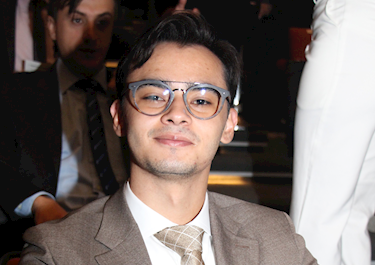
"At EMI 23 IC, I was fascinated by the sessions that delved into data-driven modeling and the remarkable applications emerging from the realm of artificial intelligence. The conference was a remarkable experience that not only provided valuable insights into current trends but also facilitated meaningful connections within the global engineering community. "
Michael Heredia Perez, P.E., S.M.ASCE, National University of ColombiaEMI STUDENT Member
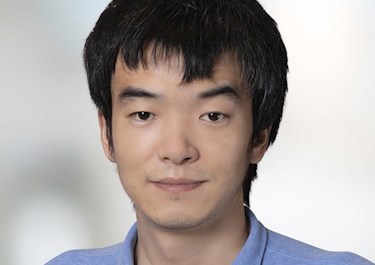
"I have been working in industry for more than five years now. EMI 23 IC provided the opportunity to immerse myself in new technologies and research topics. Some research findings were very attractive and could directly help solve practical problems. I enjoyed the EMI International Conference and look forward to being more involved."
Zhi Zhang, Ph.D., P.E., M.ASCE, Senior Project DirectorThornton Tomasetti
Peer-to-Peer Standards Exchange Forum
Come join the discussion about ASCE Standards! The Peer-to-Peer Standards Exchange is a new ASCE Collaborate forum to discuss technical issues about ASCE standards. Dive into your technical area with questions and issues with your community. Members can ask and answer questions. Nonmembers will have view-only capability.